Fall 2026 Militaria and Aviation Auction

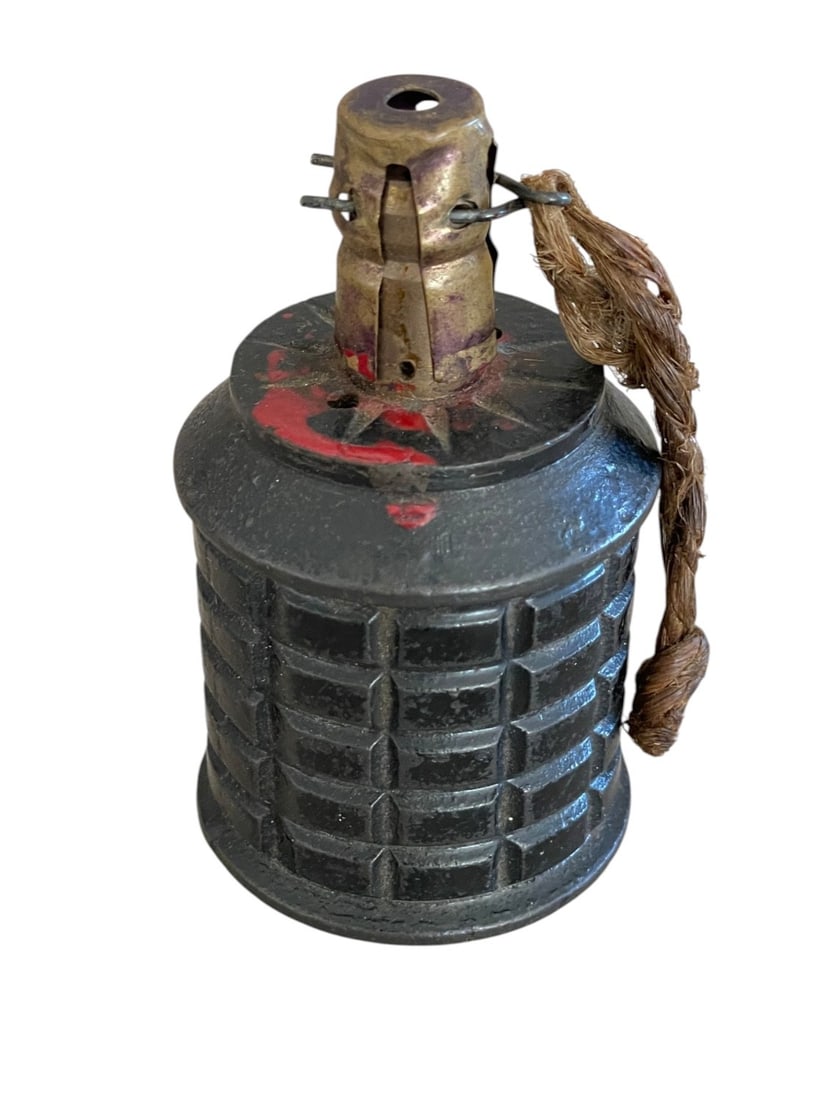
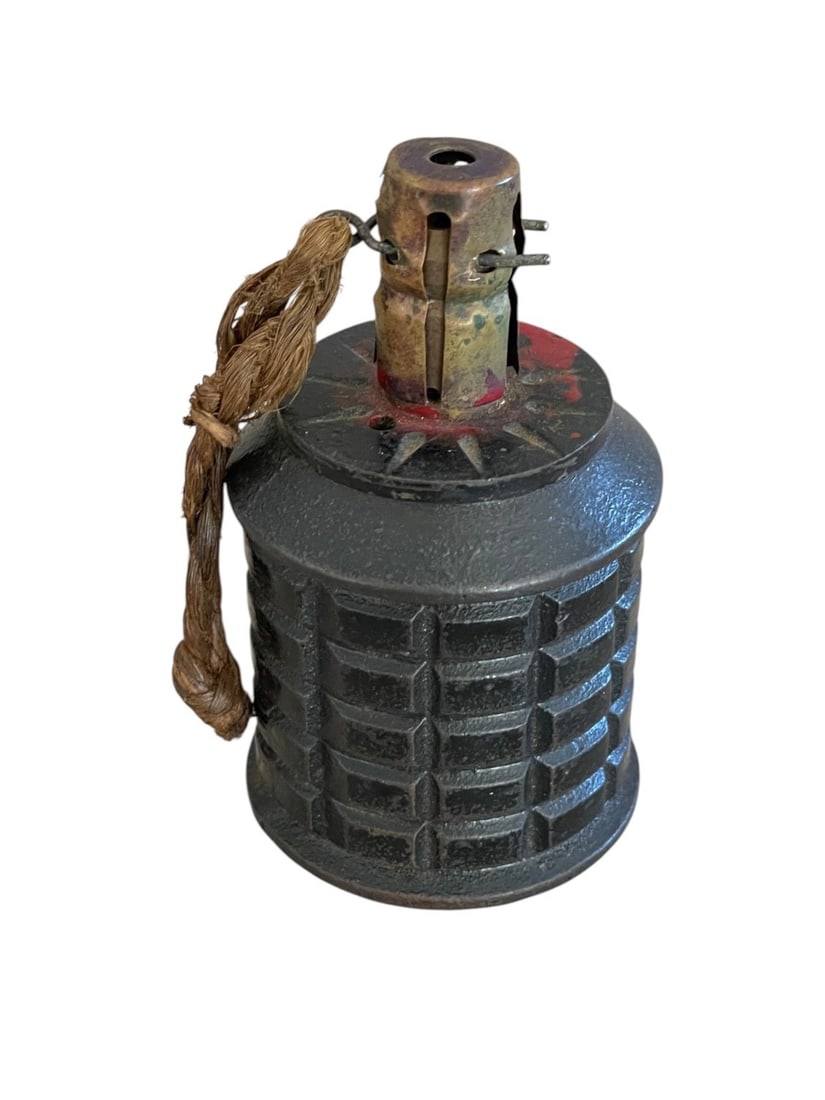
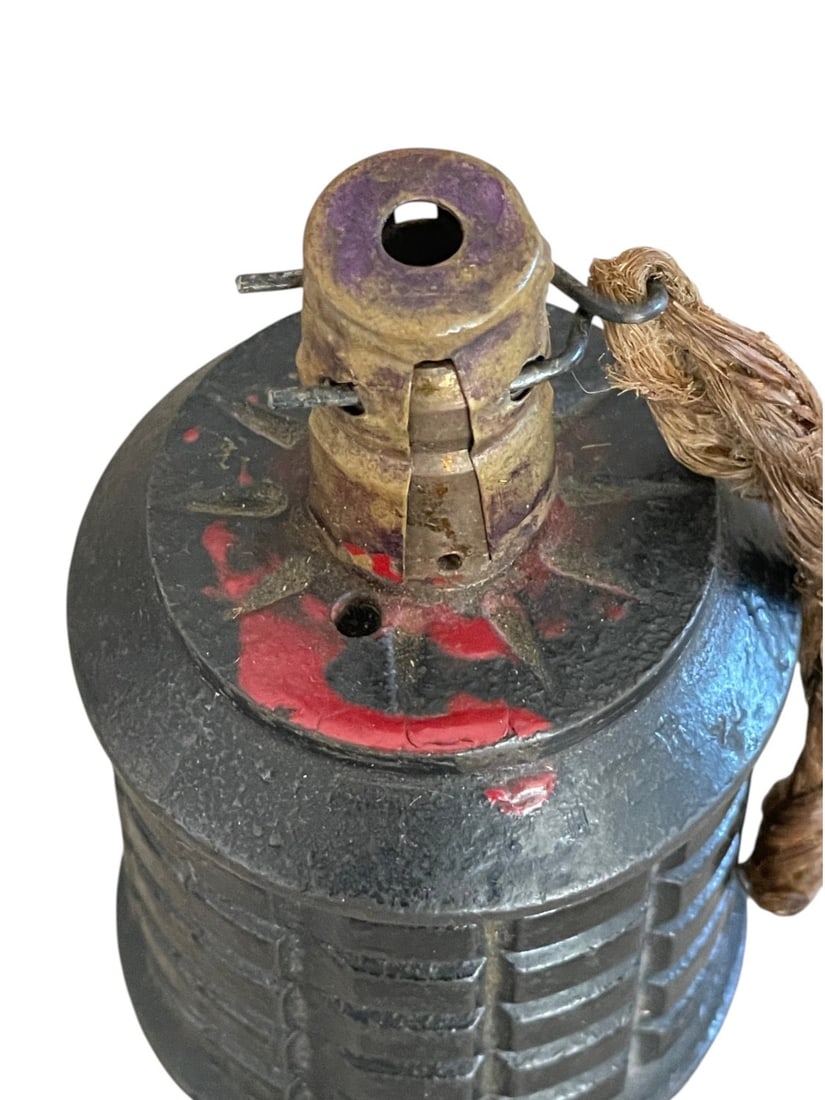
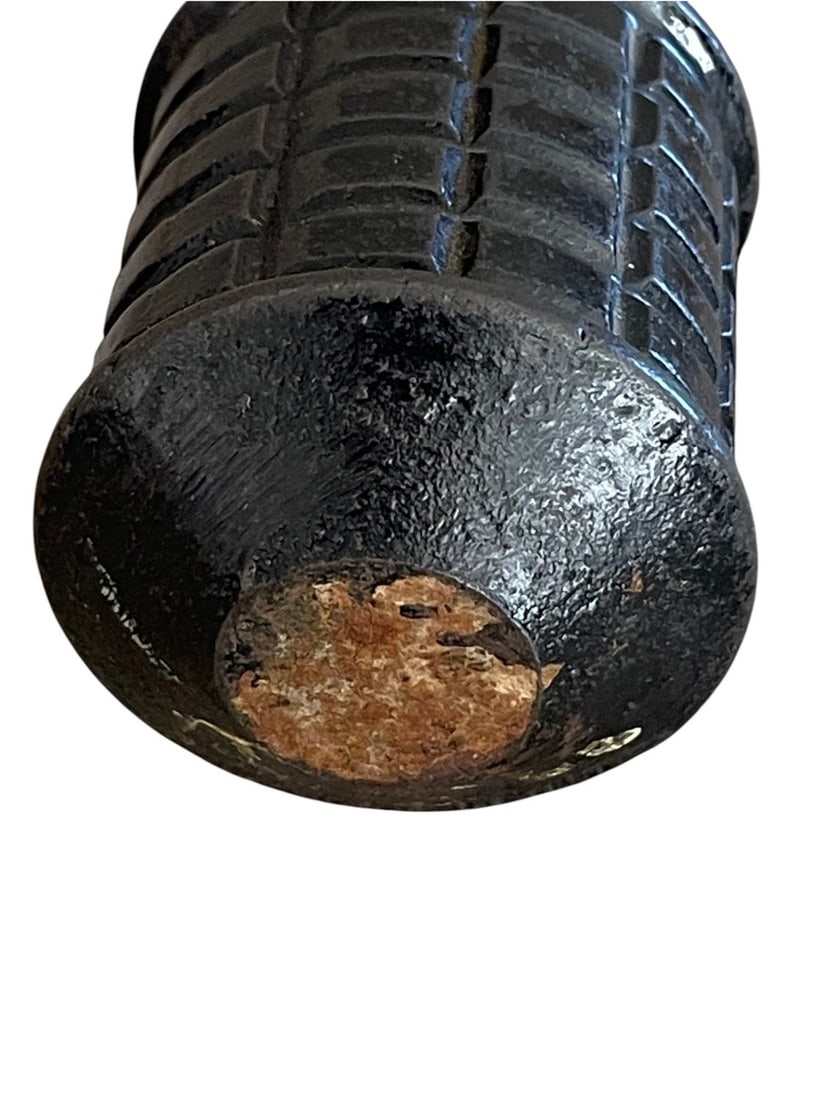
WWII Japanese Type 97 Fragmentation Grenade

Live auction will start in __ days and __ hours

Start price: $40

Estimated price: $200 - $400

Buyer's Premium:

Description

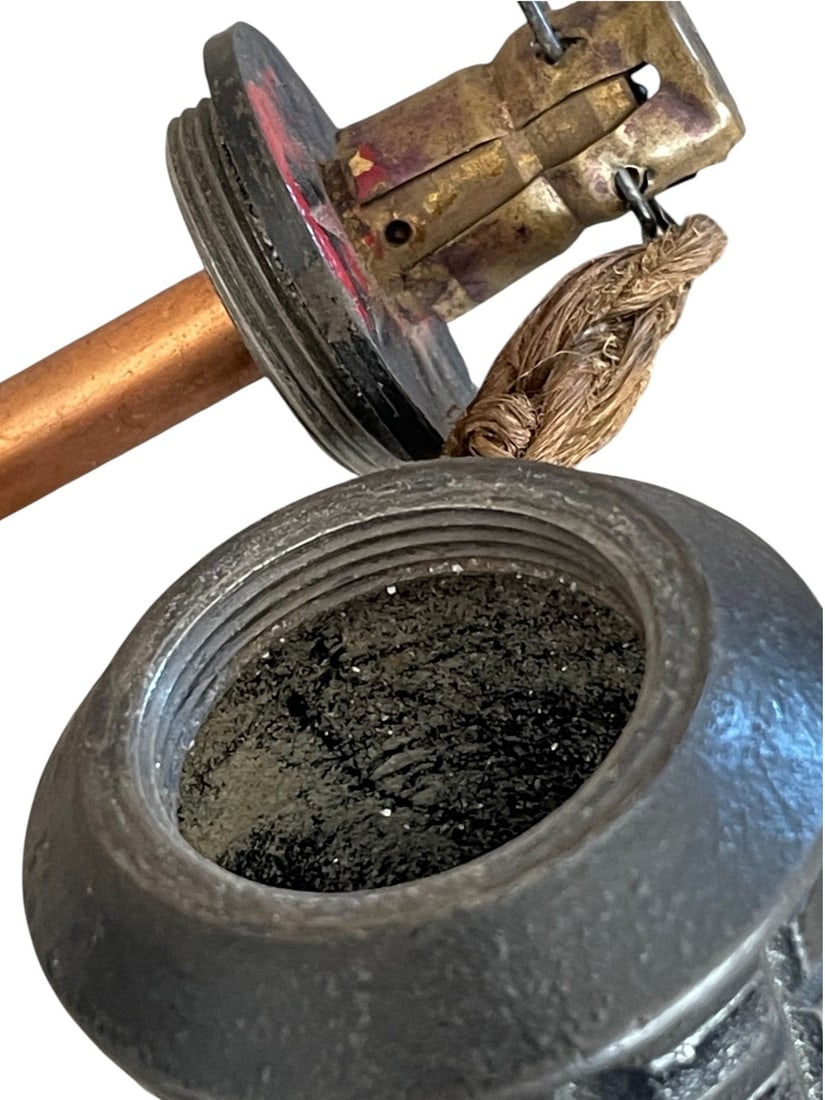
WWII Japanese Type 97 Fragmentation Grenade, Inert. Imperial Japanese Army Type 97 Fragmentation Hand Grenade (Kyu-nana-shiki Teryudan), World War II, inert and deactivated, cast-iron segmented body with brass fuze assembly. Offered here is an inert, deactivated example of the Type 97 fragmentation hand grenade, the standard anti-personnel grenade issued to the Imperial Japanese Army and Navy Landing Forces throughout the Second Sino-Japanese War and the Pacific campaigns of World War II. As is typical of surviving examples of this pattern, no individual unit or soldier attribution accompanies the piece, and its interest rests with the type itself as a representative example of Japanese infantry ordnance rather than a documented named history. Adopted in 1937 – Imperial Year 2597, from which the designation derives – the Type 97 succeeded the earlier Type 91 and simplified the design by eliminating the base threads used to launch its predecessor from a discharger cup, restricting the Type 97 strictly to hand-thrown use. Its percussion-ignition fuze required the thrower to pull the safety pin and then strike the fuze head sharply against a hard surface – a helmet, rifle butt, rock, or tree stump – to ignite an internal delay train before hurling the weapon, giving an approximate four-to-five-second delay ahead of detonation. Encountered on virtually every Pacific and mainland Asian battlefield, from the Manchurian and Chinese fronts through Guadalcanal, New Guinea, the Philippines, Iwo Jima, and Okinawa, the Type 97 became one of the most recognizable pieces of Japanese infantry ordnance recovered by Allied troops, and surviving specimens today are most often encountered as inert battlefield pickups or veteran bring-back souvenirs. The grenade retains its original cast-iron body with the segmented, ribbed exterior pattern characteristic of the type, a design intended both to aid fragmentation and to provide a secure grip for throwing. The casing shows natural aged oxidation and surface patina consistent with age and decades of storage or field recovery, with wear typical of the type. The brass/copper fuze assembly at the head is present and shows expected patination, with the safety pin and retaining wire or lanyard in place as commonly found on surviving specimens. No additional accessories, case, or accompanying paperwork are present; the lot comprises the grenade body and fuze assembly alone. The piece has been rendered completely inert and is offered strictly as a collectible relic, with condition consistent with honest age, surface oxidation, and service or recovery wear throughout, and no indication of any live components remaining. A solid, honestly aged example of the Imperial Japanese Army’s standard-issue hand grenade, instantly recognizable to any student of the Pacific War and a worthy addition to any World War II ordnance or militaria collection.