Fall 2026 Militaria and Aviation Auction
Lot 227A:
Description
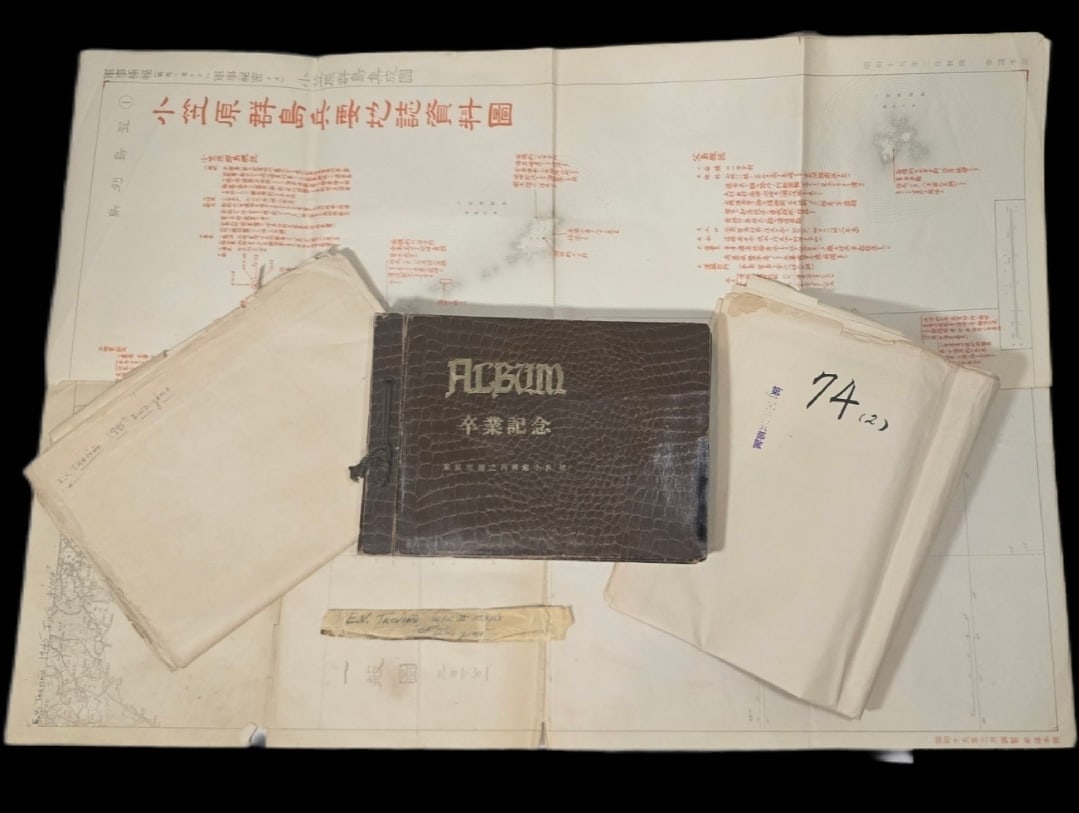
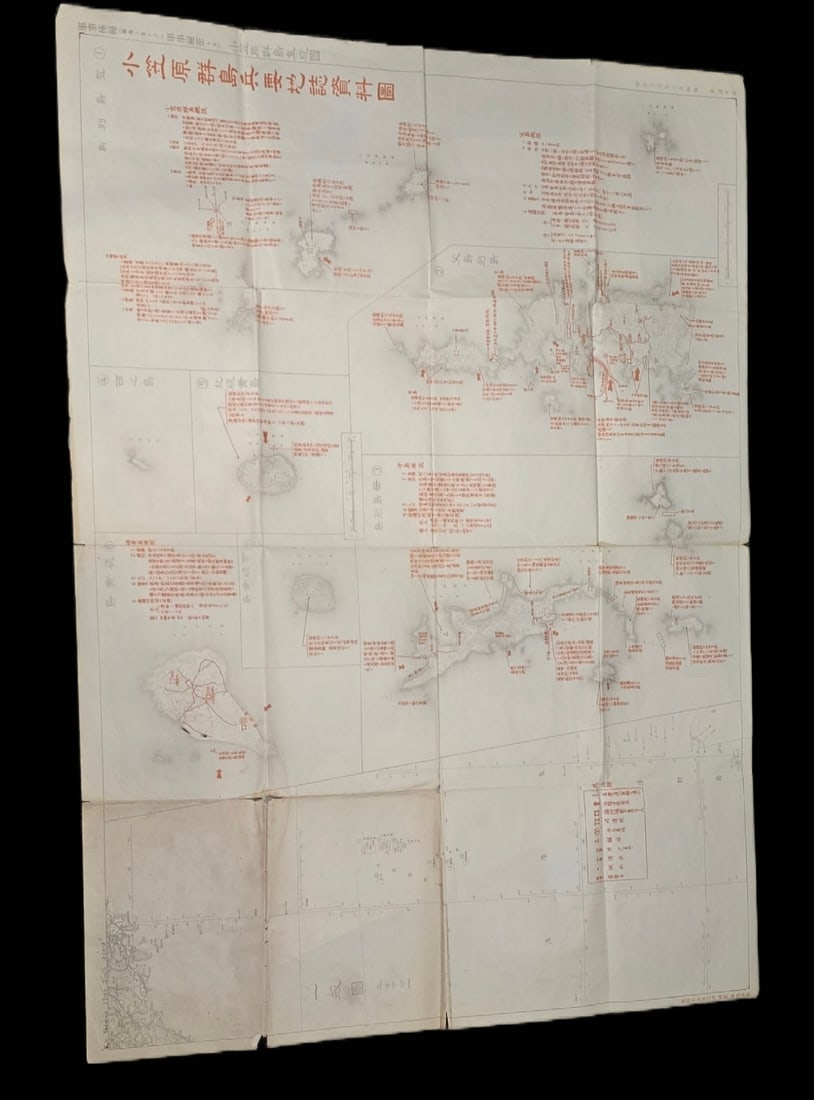
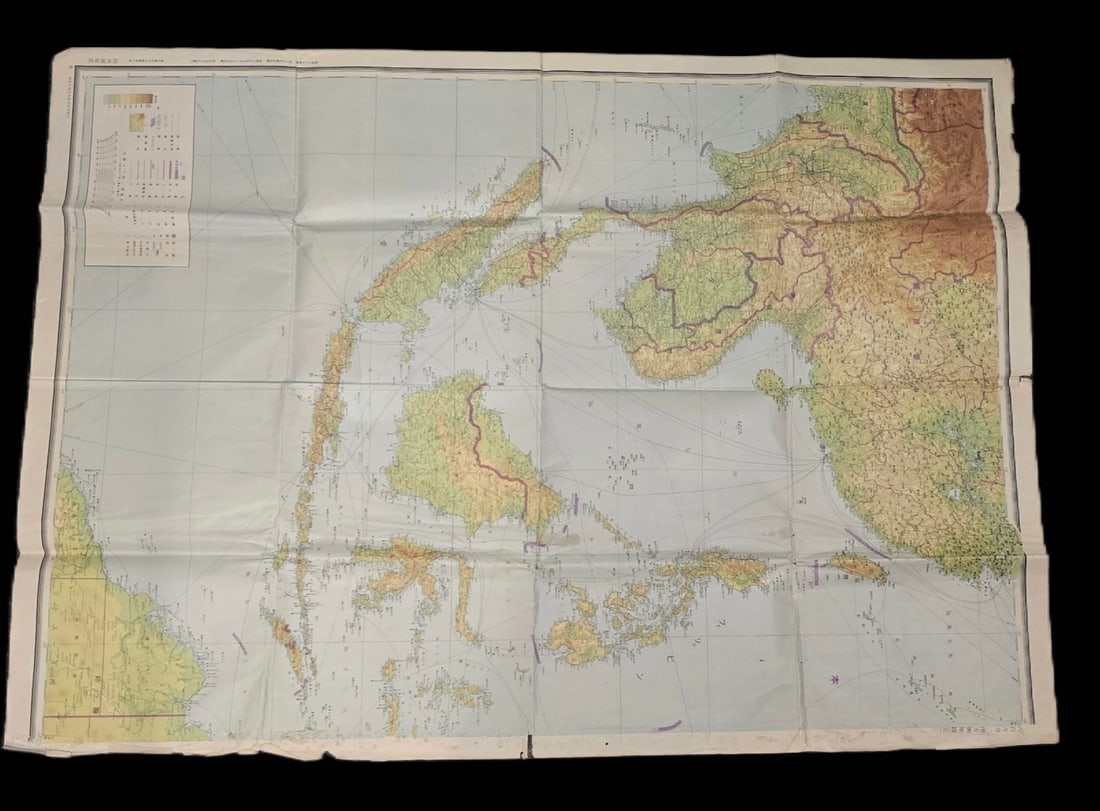
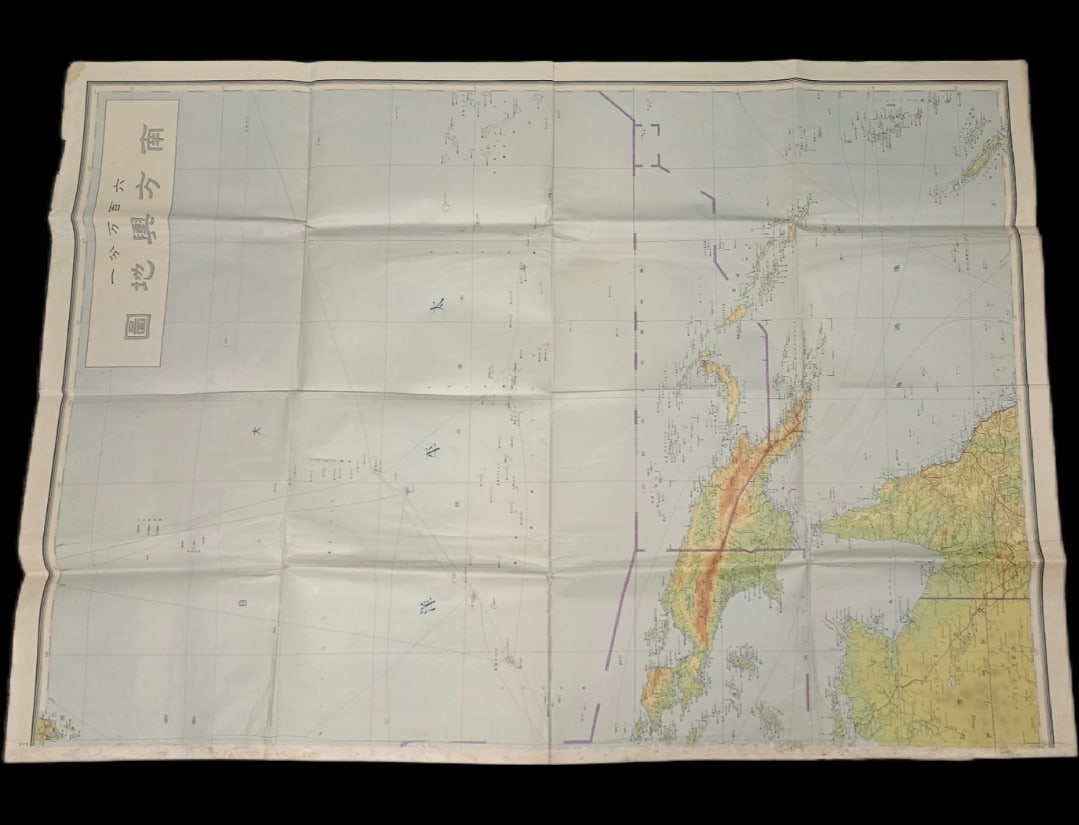
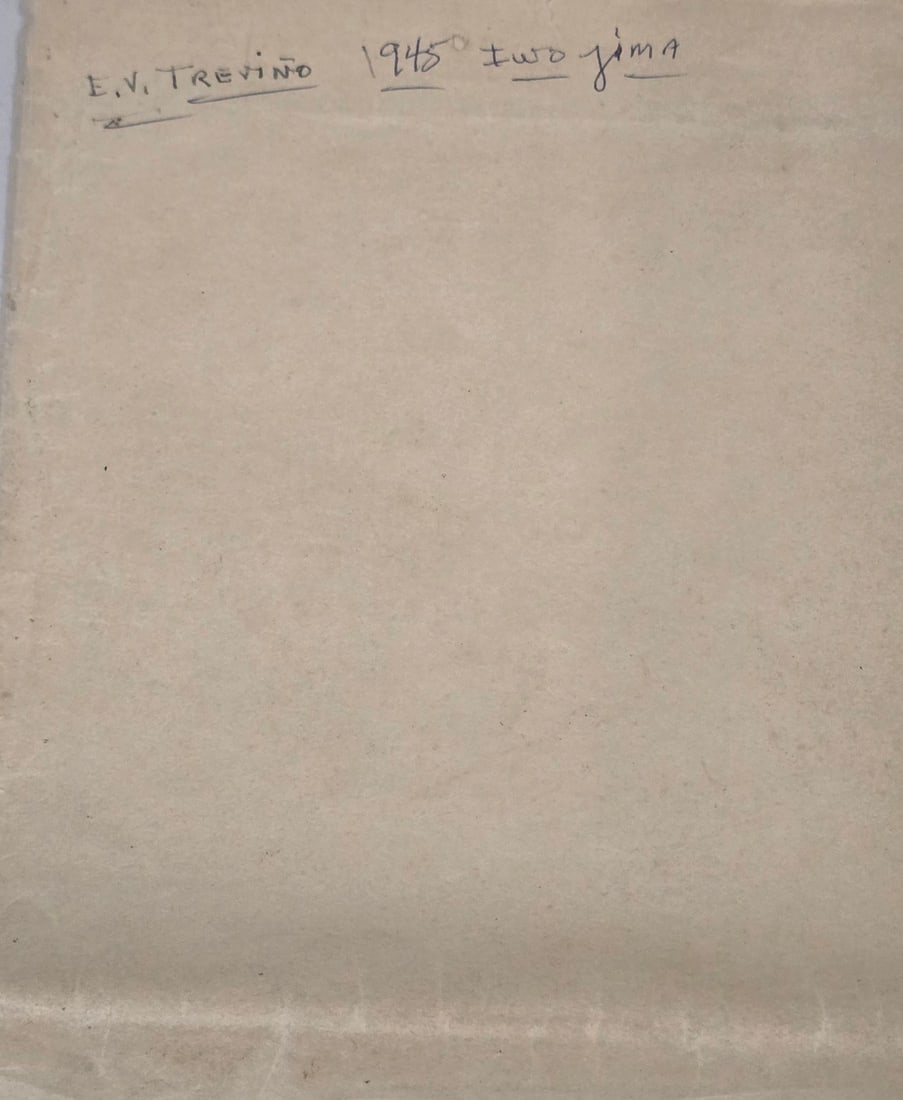
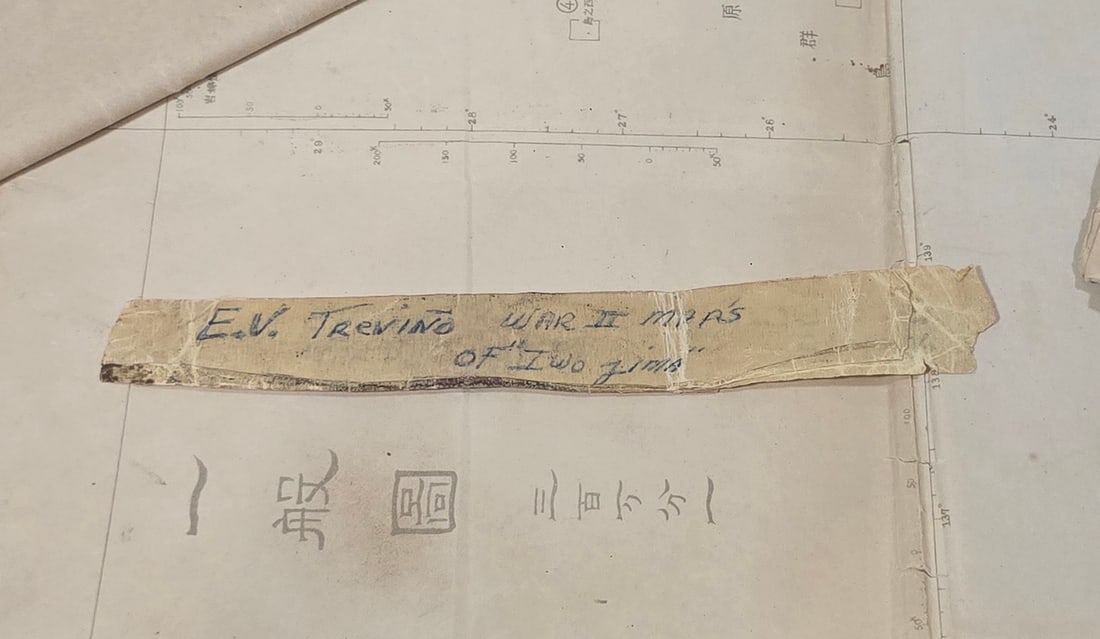
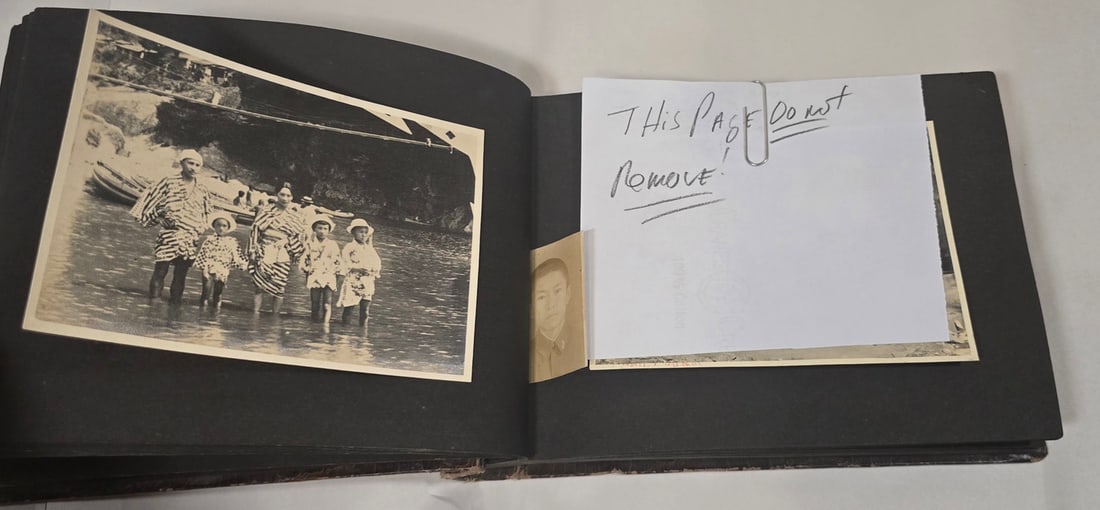
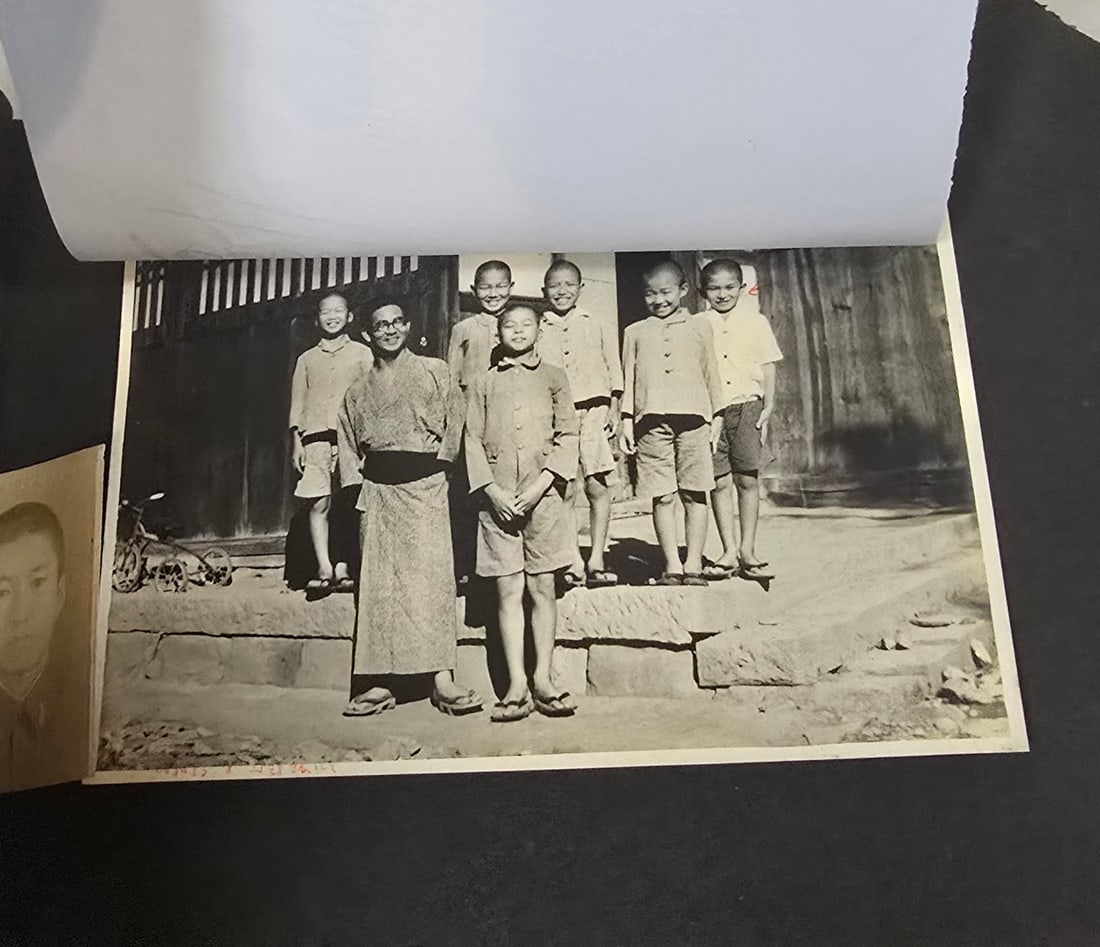
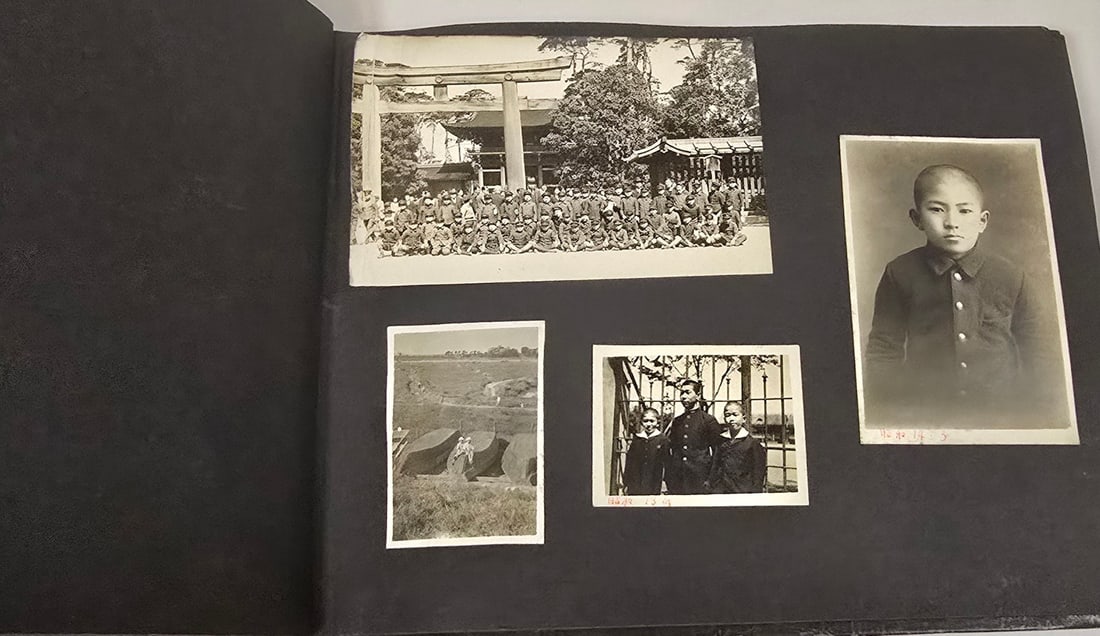
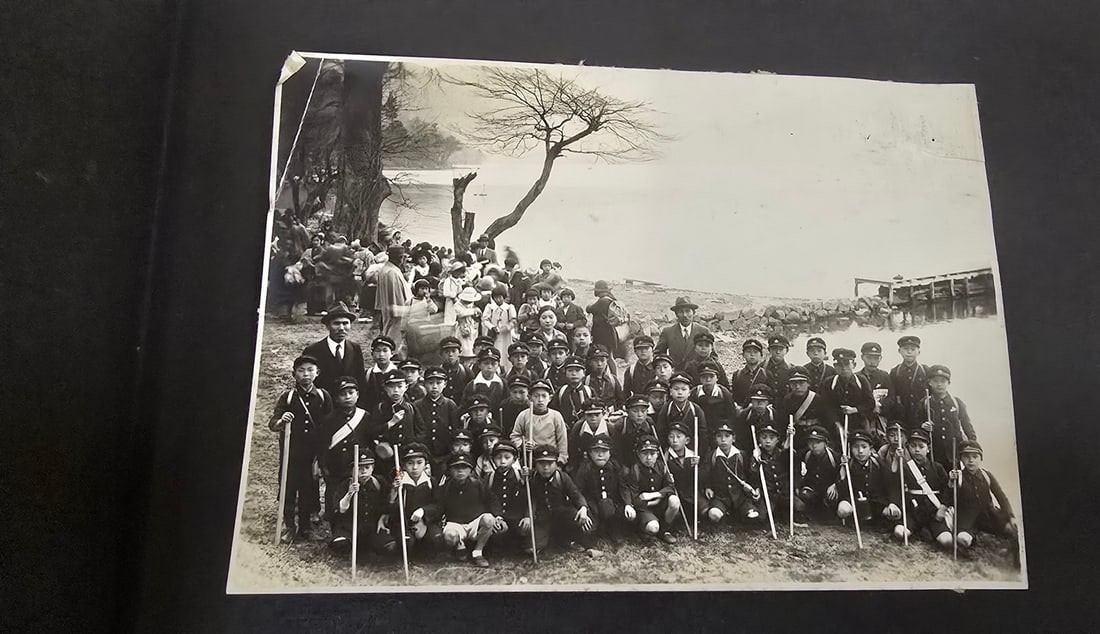
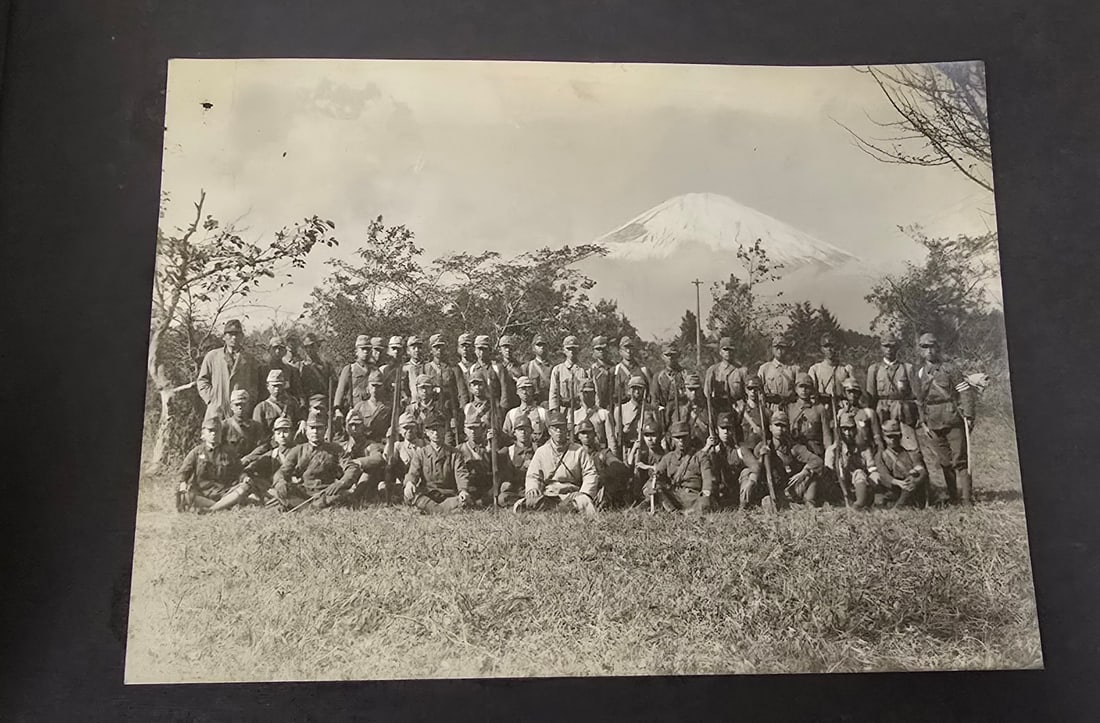
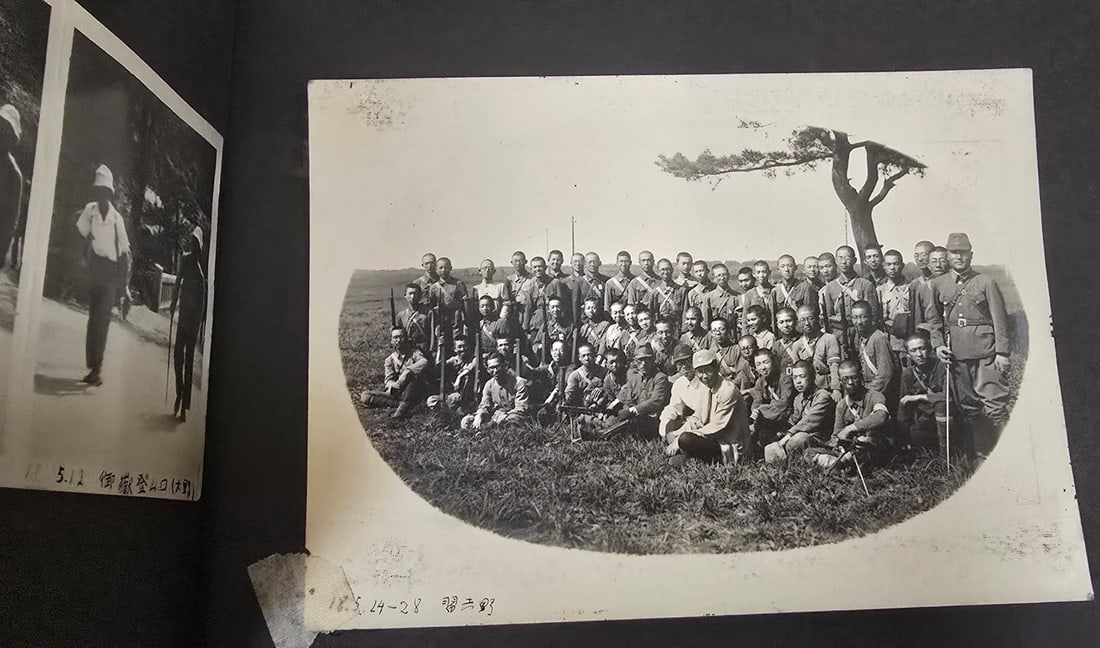
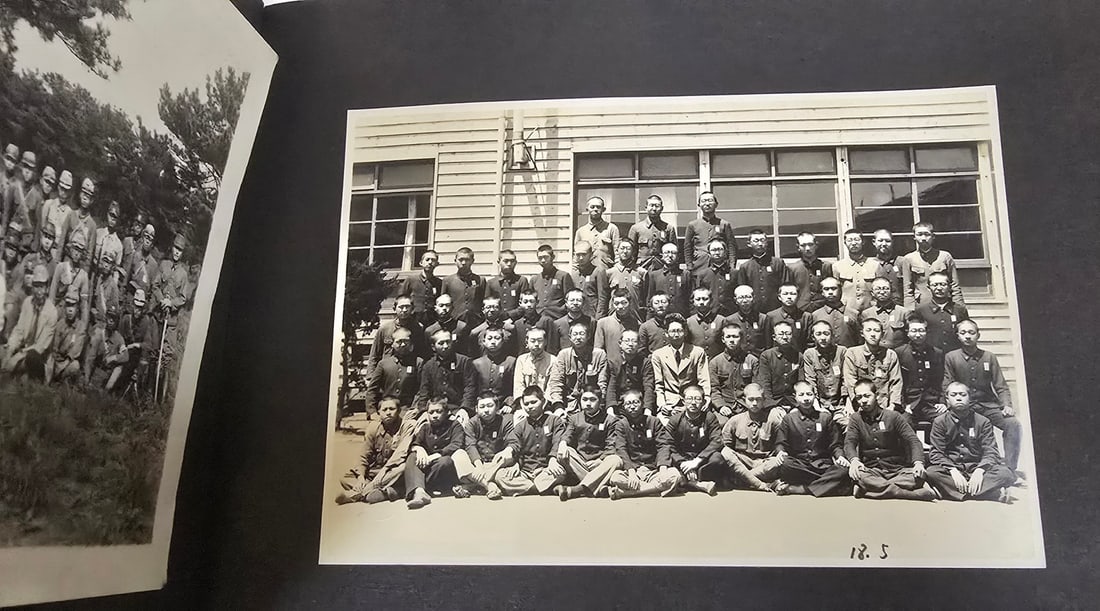
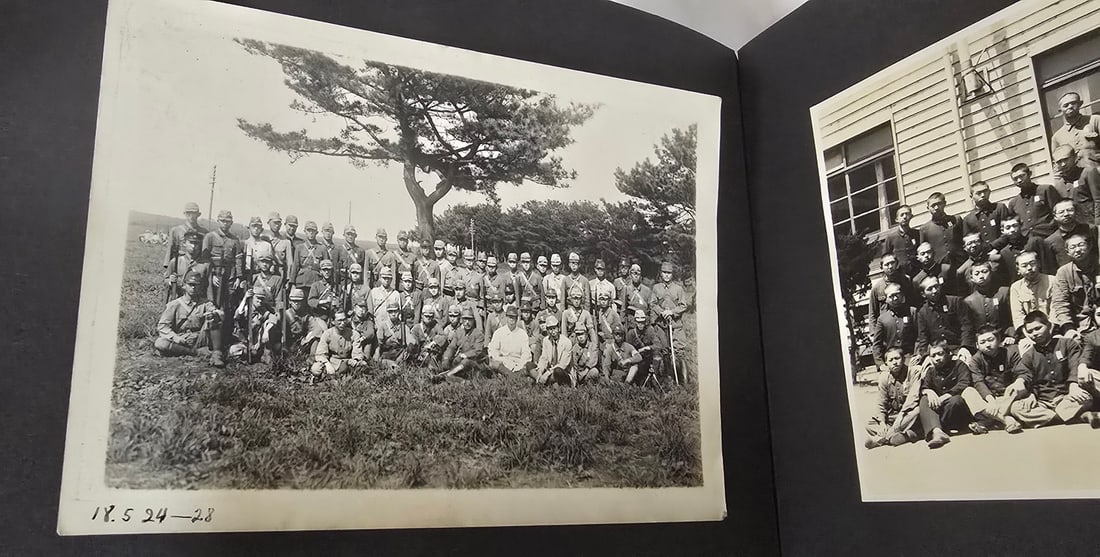
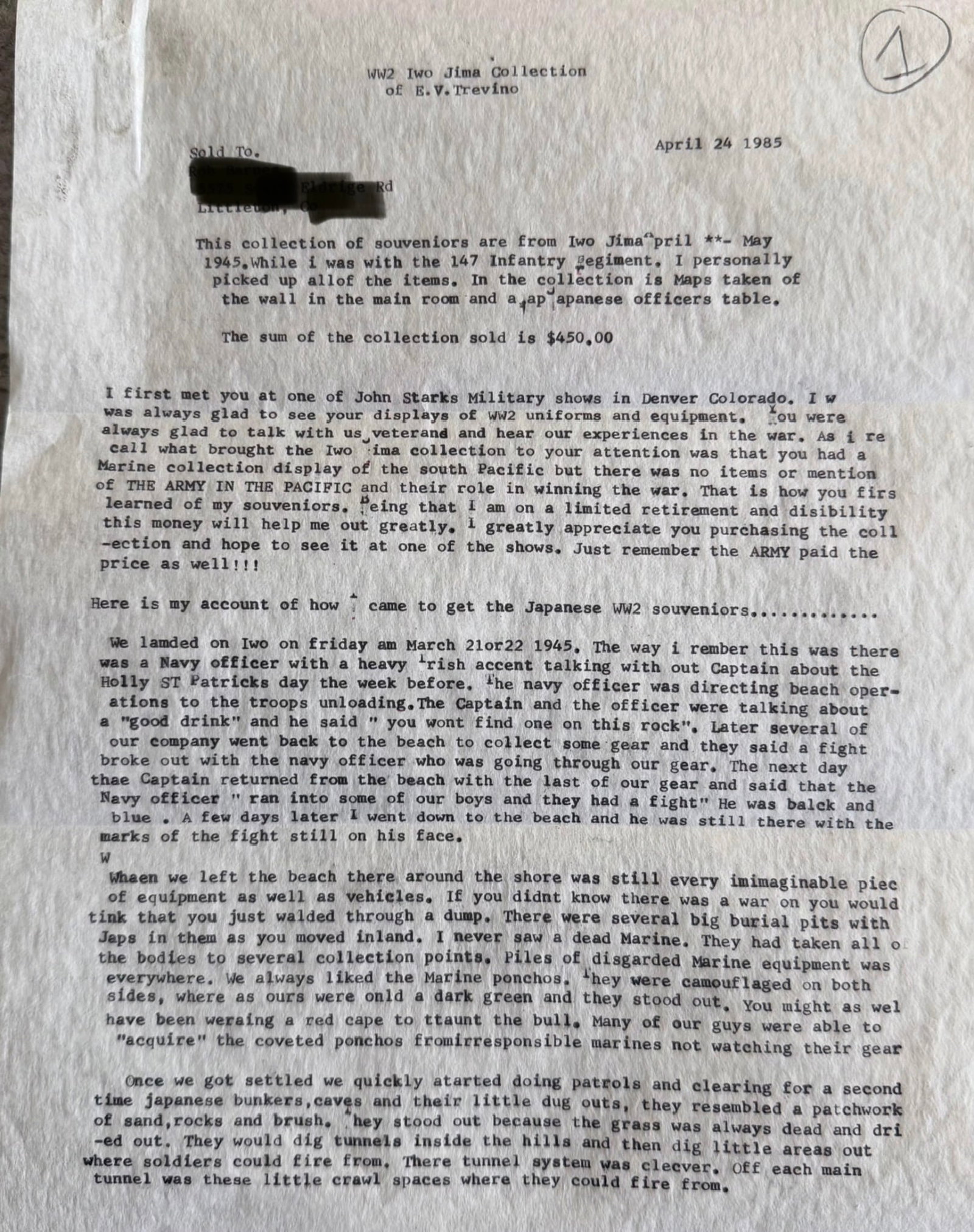
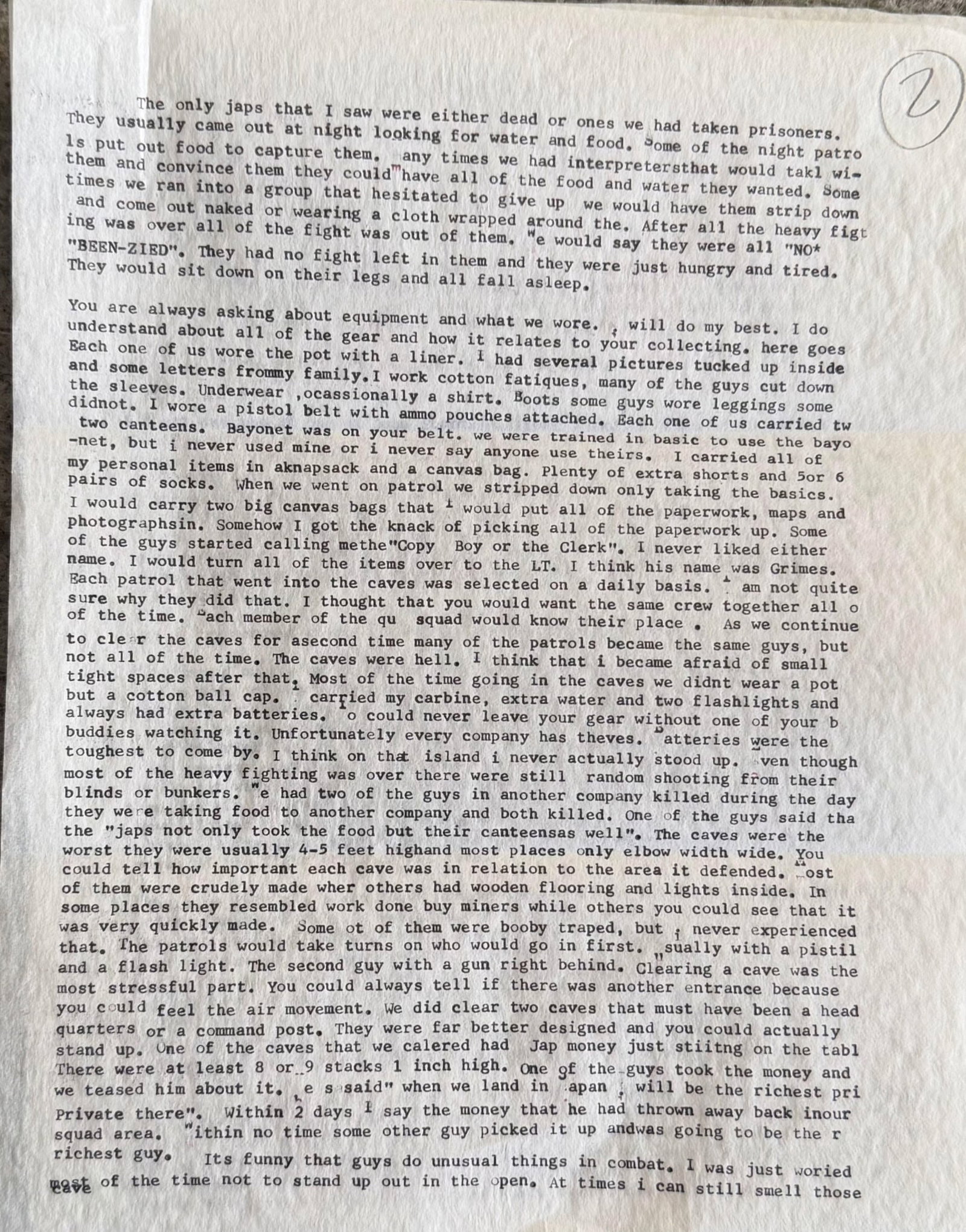
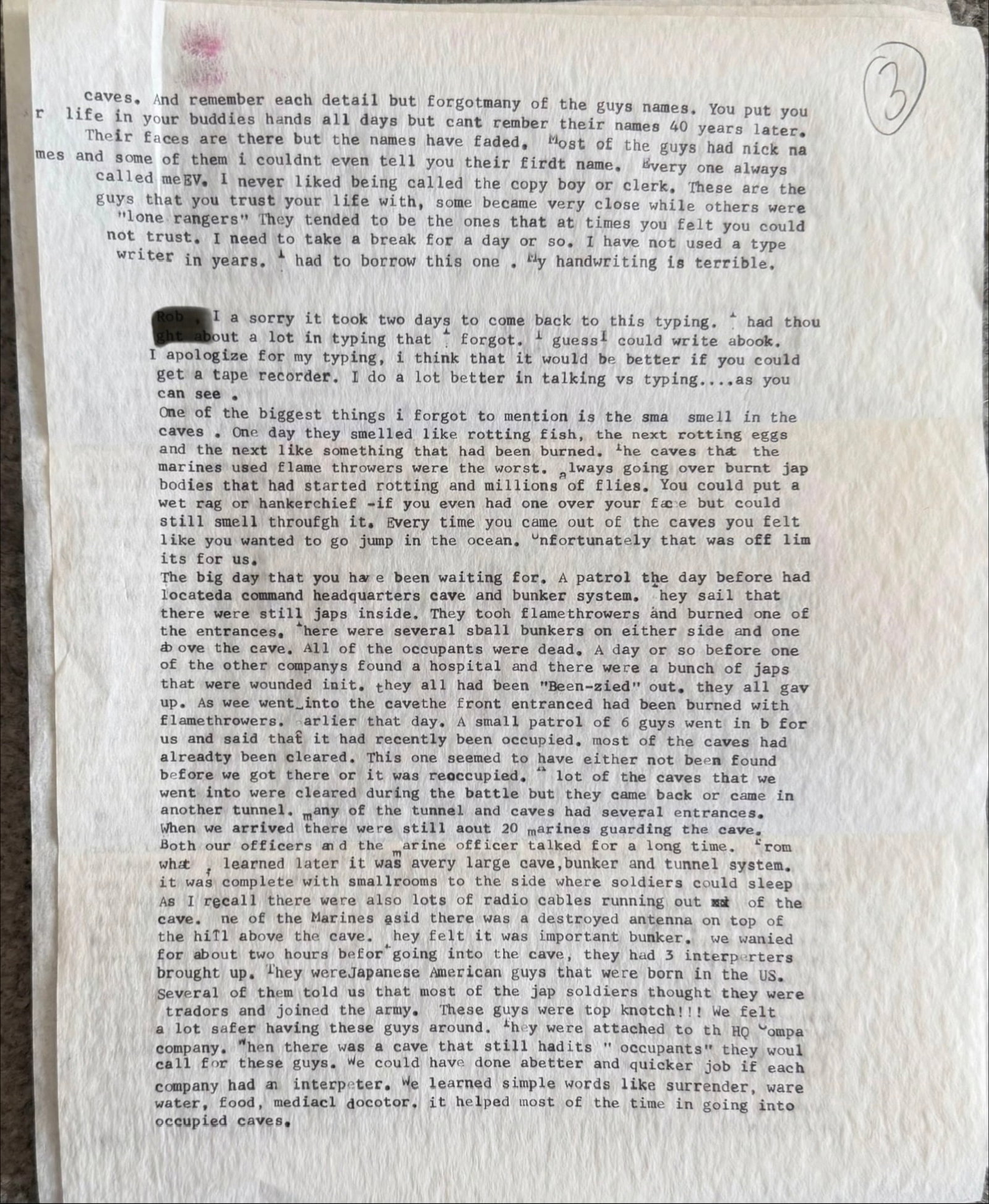
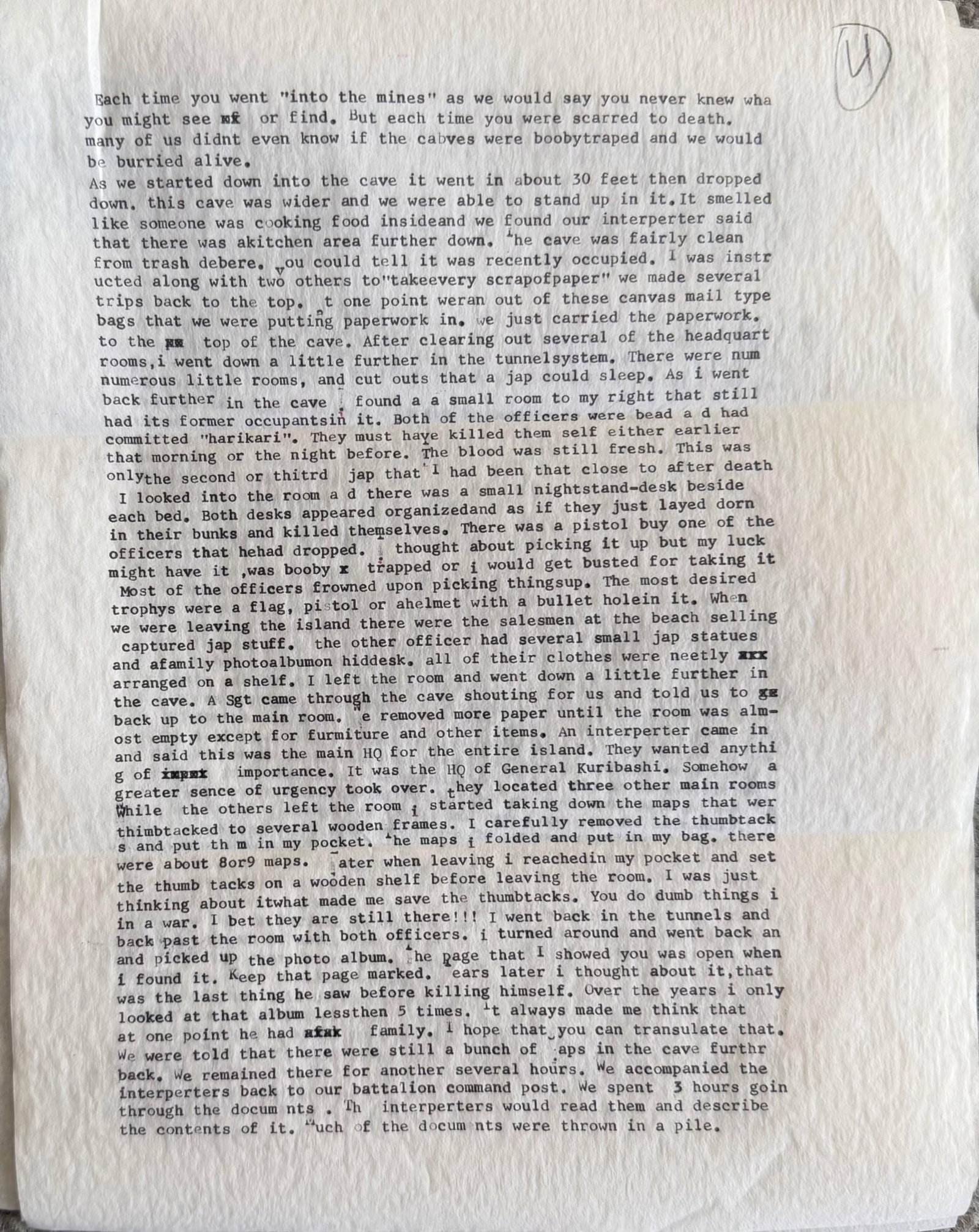
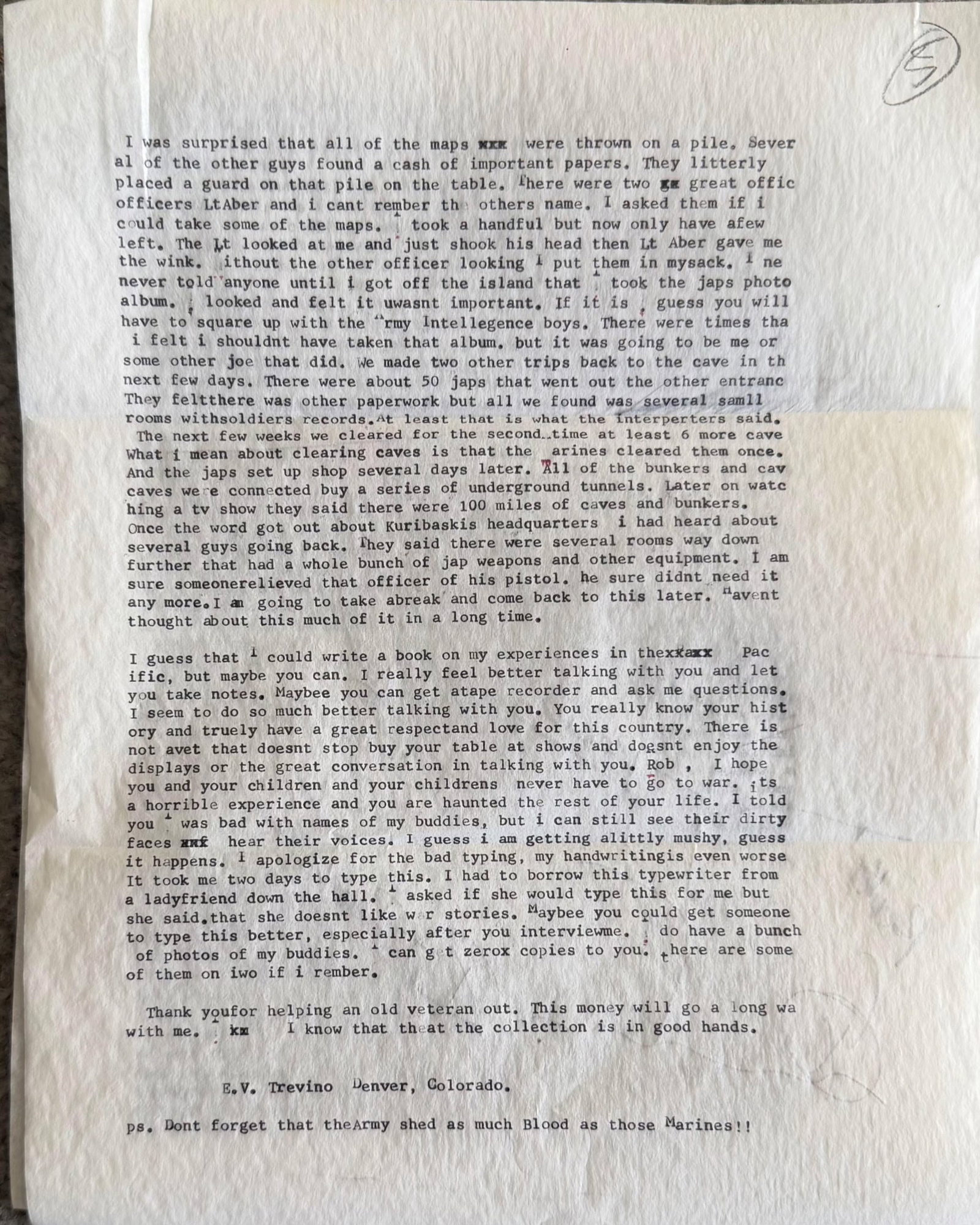
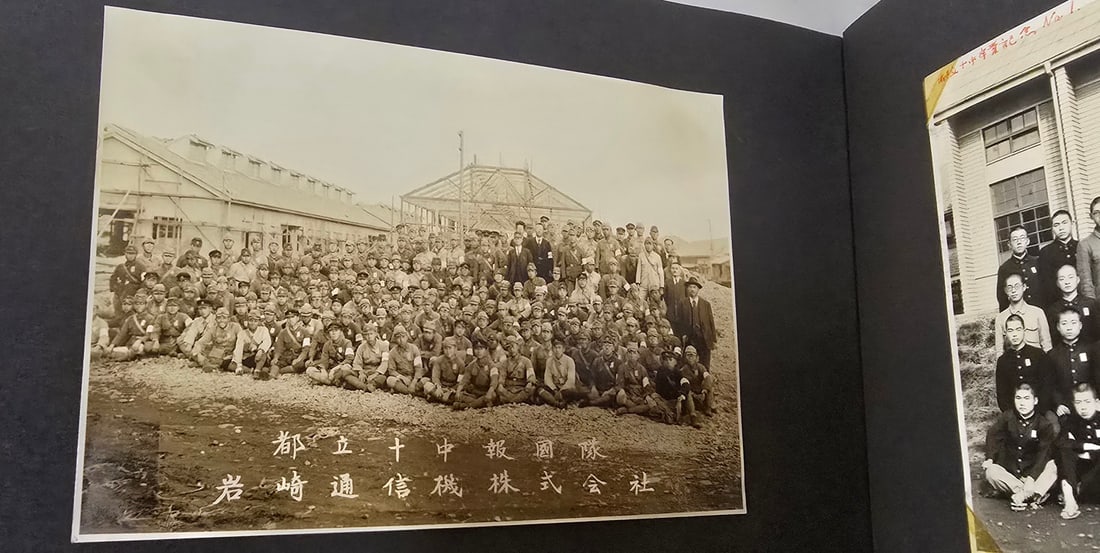
WWII IWO JIMA – JAPANESE COMMAND HEADQUARTERS CAVE BRING-BACK – ORIGINAL MAPS, PHOTO ALBUM & 147TH INFANTRY VETERAN’S EYEWITNESS MEMOIRAn extraordinary and historically significant collection of Japanese military maps and a personal photograph album recovered from an underground cave complex on Iwo Jima in 1945 by U.S. Army soldier E.V. Trevino of the 147th Infantry Regiment. Accompanying the collection is a remarkable five-page, firsthand narrative written by Trevino on April 24, 1985, documenting his experiences on Iwo Jima and providing a detailed account of the discovery and recovery of these artifacts.According to Trevino’s eyewitness testimony, these items were recovered from an underground Japanese command headquarters complex identified to him at the time as the headquarters of General Tadamichi Kuribayashi, commander of Japanese forces defending Iwo Jima.The 147th Infantry Regiment arrived on Iwo Jima in March 1945 and participated in the dangerous and often overlooked operations to clear the island’s extensive underground defenses, caves, bunkers, and remaining Japanese resistance. Trevino describes his unit’s patrols into the elaborate tunnel systems, where Japanese soldiers continued to resist long after the principal battle had ended.THE DISCOVERY OF THE JAPANESE COMMAND HEADQUARTERSIn his remarkable 1985 memoir, Trevino recounts entering a large underground headquarters complex previously discovered by American forces. The installation contained interconnected tunnels, sleeping quarters, command rooms, communications equipment, and multiple entrances. Approximately twenty Marines were guarding the entrance when his group arrived.Accompanied by fellow soldiers and Japanese-American interpreters, Trevino descended into the underground complex, where he encountered evidence of its recent occupation and the aftermath of the fighting.While exploring the tunnels, he entered a small room containing the bodies of two Japanese officers who, according to his account, had apparently committed suicide. Their personal belongings remained carefully arranged, including a photograph album that Trevino subsequently recovered.Continuing farther into the complex, Trevino was summoned back to the main headquarters area, where an interpreter reportedly informed the Americans that they had entered the headquarters of General Kuribayashi.Trevino recalled:“It was the HQ of General Kuribashi.”Inside the command rooms, Trevino observed numerous military documents and maps attached to wooden frames. He carefully removed several maps, initially preserving the thumbtacks before folding the maps and placing them in his bag.He later described finding approximately eight or nine maps in the room.A REMARKABLE ACCOUNT OF THE MAPS’ RECOVERYOne of the most fascinating passages concerns how Trevino was allowed to retain the captured documents.After American officers began collecting the headquarters papers, Trevino asked whether he could keep some of the maps. According to his account, an officer identified as Lieutenant Aber discreetly indicated his approval.Trevino wrote:“Lt Aber gave me the wink. Without the other officer looking I put them in my sack.”He further recalled being concerned that Army Intelligence might later question his possession of the material.These details provide an unusually personal account of how Japanese military documents were recovered, retained, and ultimately brought home by an American serviceman.THE COLLECTIONThe surviving artifacts include:* Three original Japanese maps, including a large chart depicting Iwo Jima and the surrounding Volcano Islands, with maritime soundings and red overprinted military annotations; a broader East Asian regional map; and a map of the Nansei island chain. The maps exhibit period folding, handling wear, and some edge deterioration consistent with their age and history.* An original Japanese photograph album, containing military and civilian group photographs, studio portraits, school-related images, and photographs associated with Japanese wartime organizations. Trevino specifically describes recovering a photograph album from the room containing two deceased Japanese officers.* Trevino’s five-page typed eyewitness memoir, dated April 24, 1985, recounting his arrival on Iwo Jima, cave-clearing operations, encounters with Japanese prisoners, the discovery of the underground command complex, and the recovery of the maps and album.DOCUMENTED PROVENANCE – DIRECTLY FROM THE VETERANThe accompanying memoir was personally prepared by E.V. Trevino in April 1985 and provides an exceptionally detailed account of the circumstances surrounding the recovery of these artifacts.Trevino explicitly states that he personally recovered the items while serving with the 147th Infantry Regiment on Iwo Jima.His account includes vivid recollections of the underground fighting, Japanese soldiers emerging from caves, the physical conditions inside the tunnels, the recovery of documents, and the psychological effects of combat.He also describes the lasting emotional burden of the war, recalling fallen comrades whose faces and voices remained with him decades later.The narrative concludes with Trevino expressing his appreciation that the collection would be preserved by someone who recognized the importance of the Pacific War and the contributions of the American soldiers who fought there.HISTORICAL SIGNIFICANCEThe Battle of Iwo Jima remains one of the most significant and costly engagements of the Pacific War. Japanese General Tadamichi Kuribayashi directed an extensive system of underground fortifications designed to withstand American bombardment and prolong resistance.Although the island was officially declared secured in March 1945, American forces continued clearing caves and confronting Japanese holdouts for months afterward.This collection provides a rare personal connection to those operations through the firsthand testimony of an American soldier who participated in them.The importance of the grouping lies not only in the Japanese maps and photograph album themselves, but in the survival of the veteran’s detailed explanation of precisely how, where, and under what circumstances he obtained them.An exceptional Iwo Jima bring-back collection, preserved with its original veteran provenance and an unusually detailed firsthand narrative of the discovery of a Japanese underground command complex.Historical attribution note: Identification of the cave complex as General Kuribayashi’s headquarters is based on Trevino’s 1985 eyewitness account and the information reportedly communicated to his group in 1945. The precise location and headquarters identification have not been independently established. The original memoir accompanies the collection and is an integral part of its provenance.
Share this lot: