Fall 2026 Militaria and Aviation Auction
Lot 242:
Description
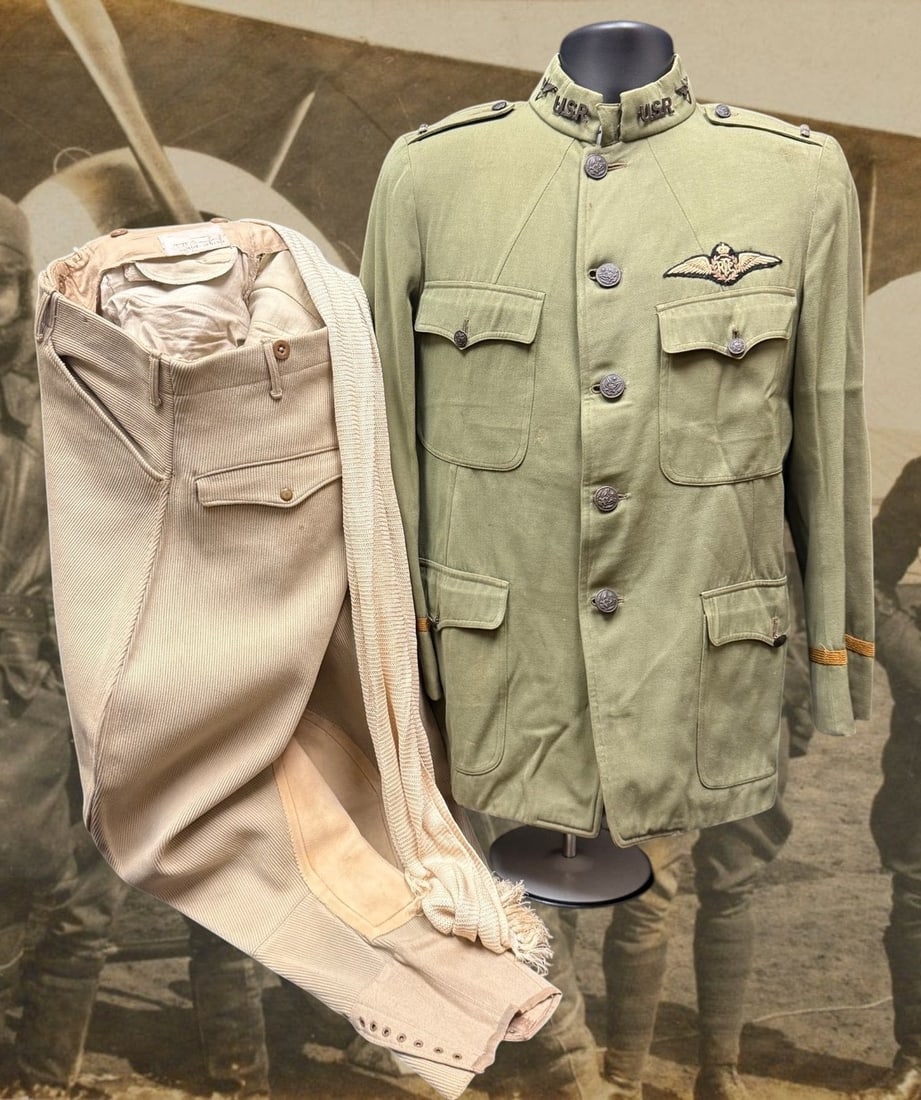
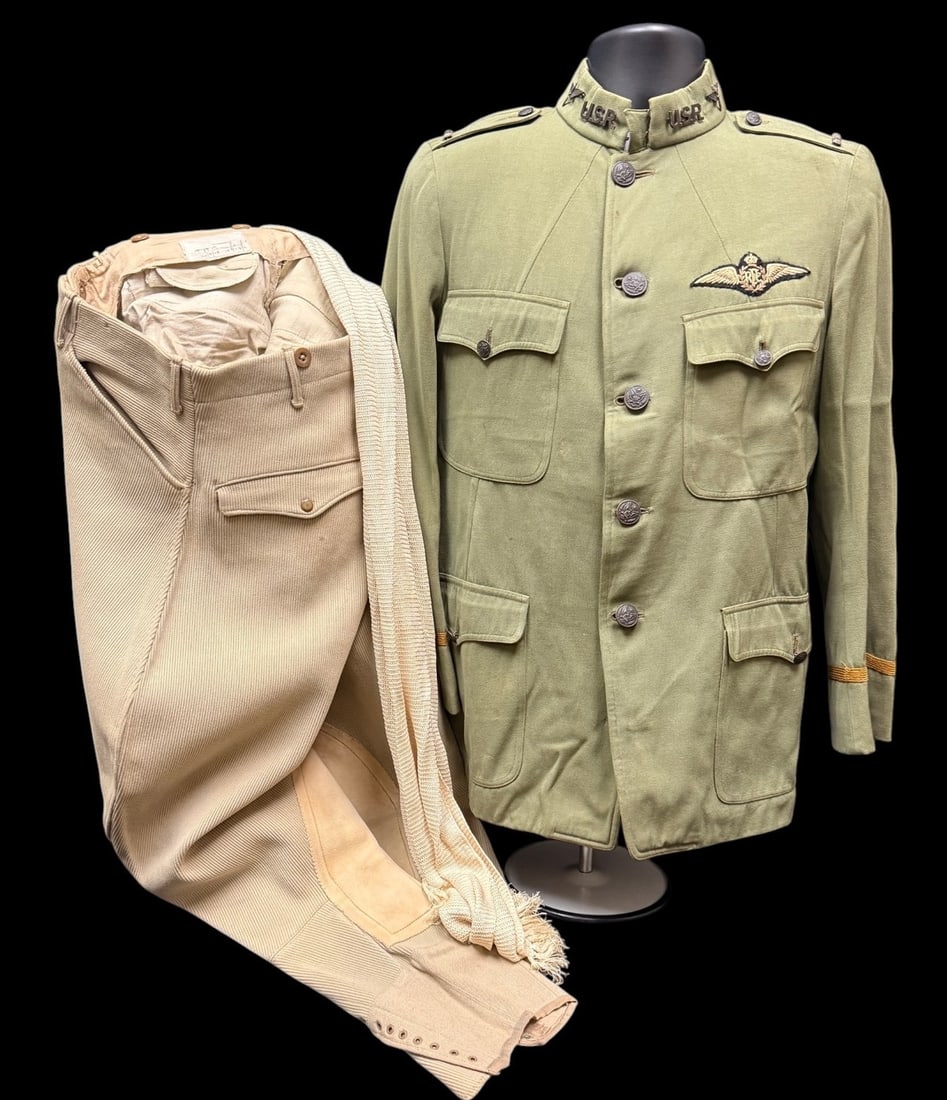
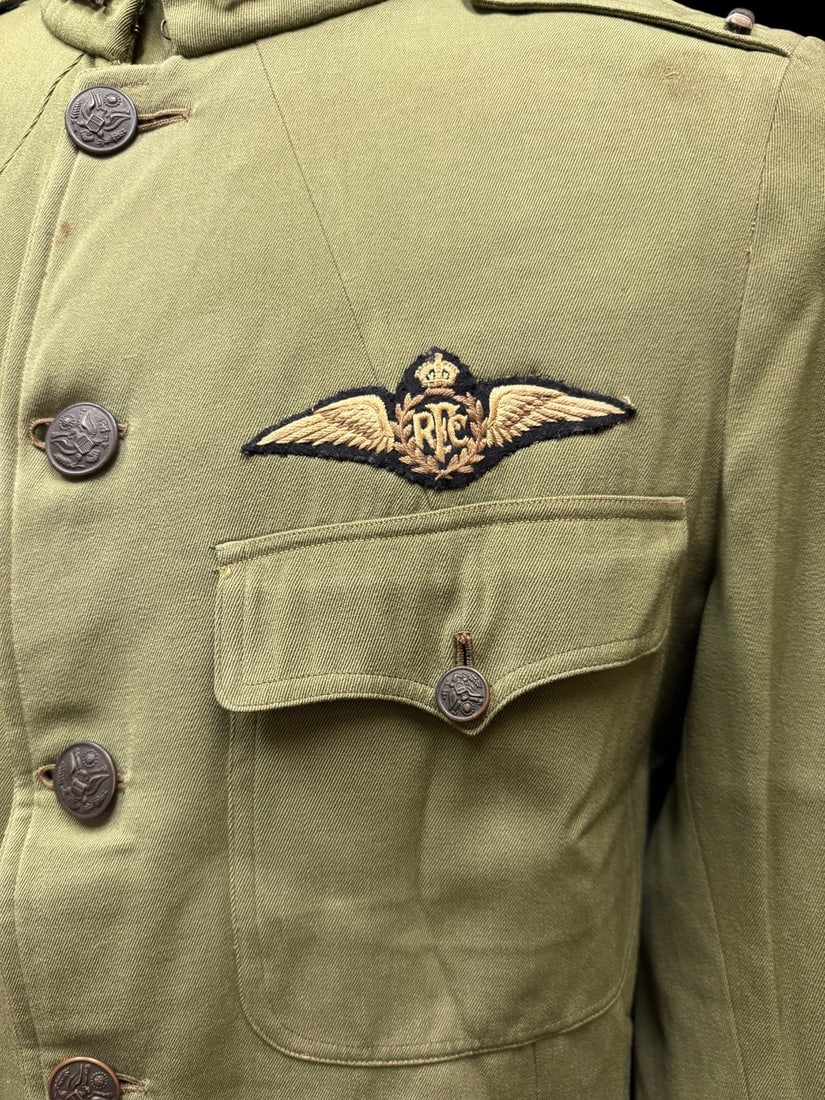
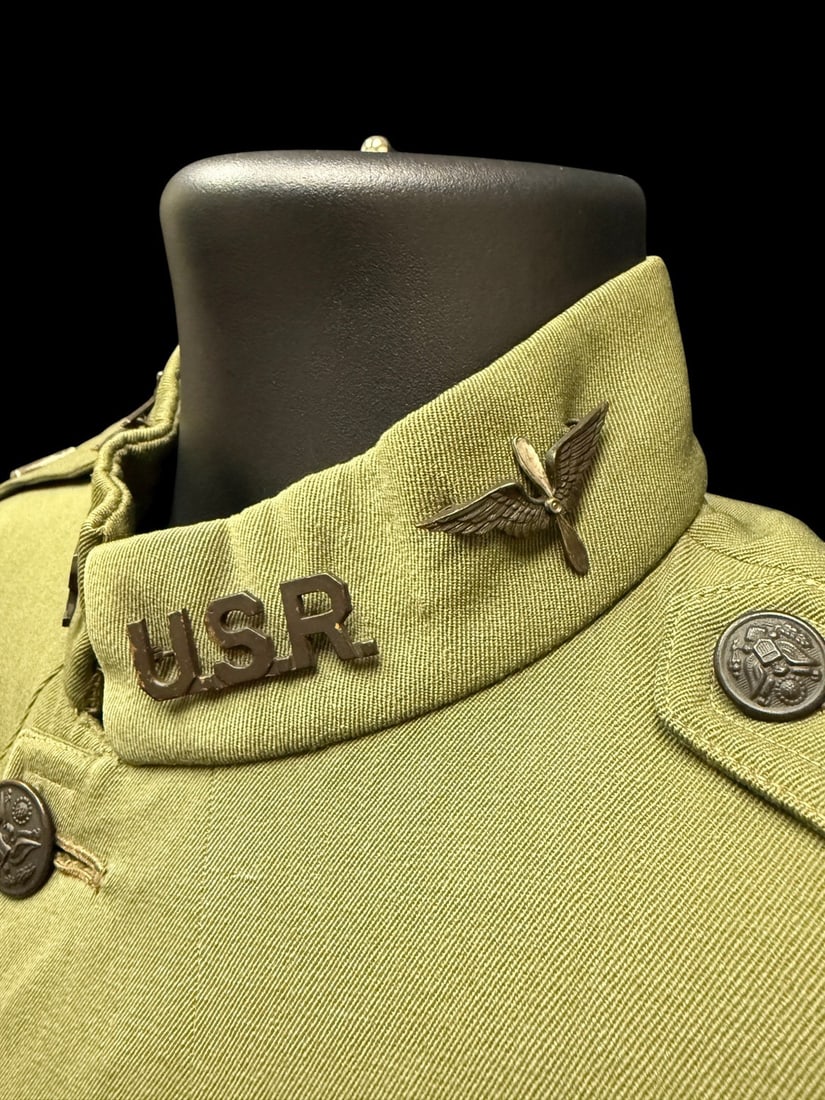
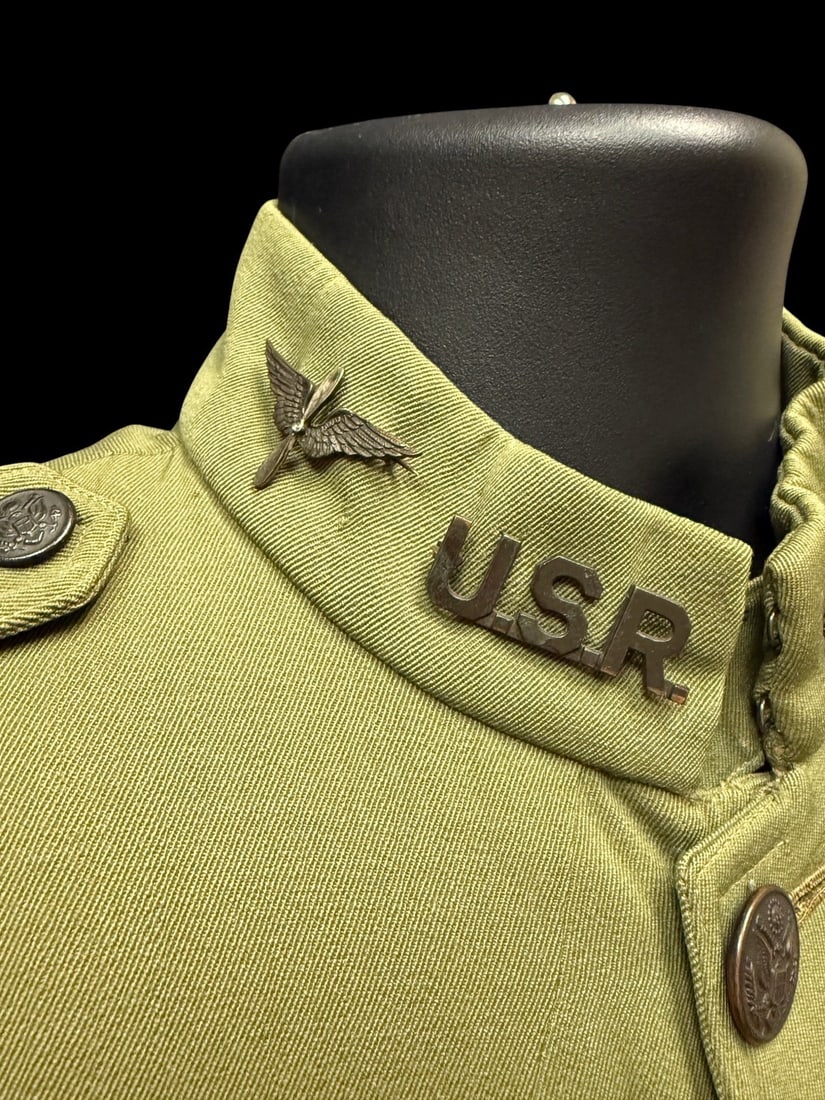
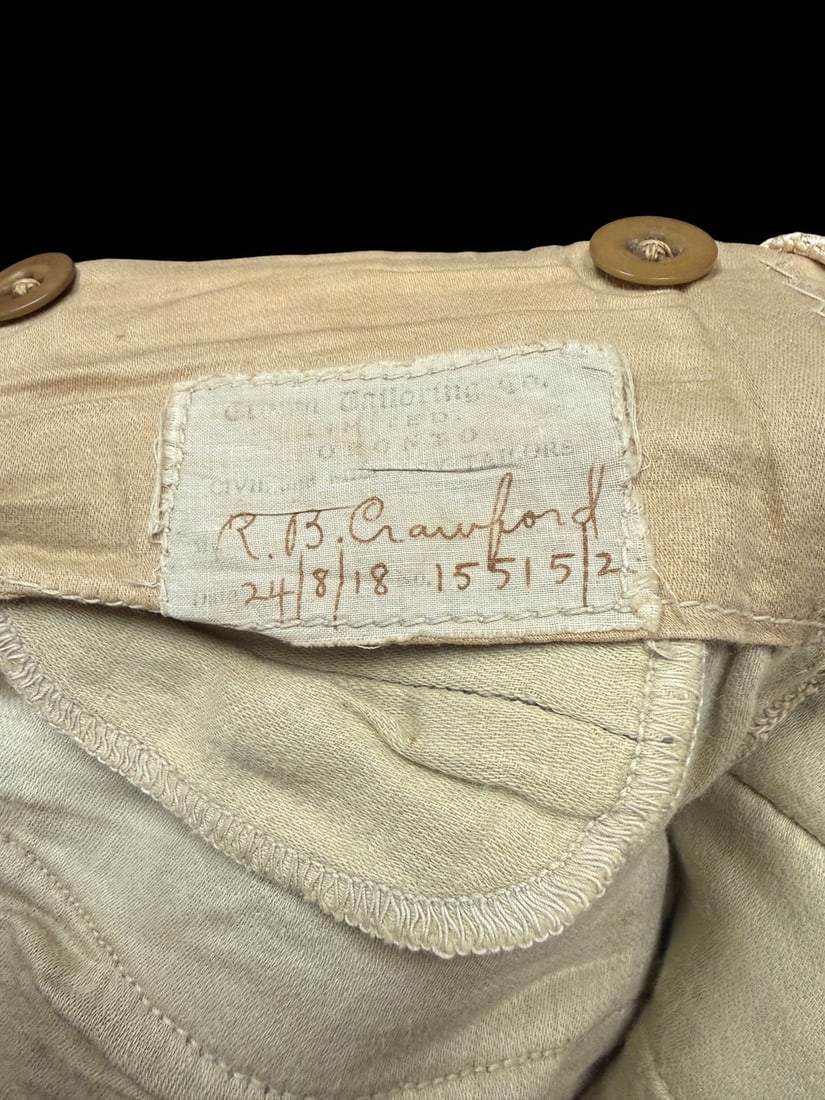
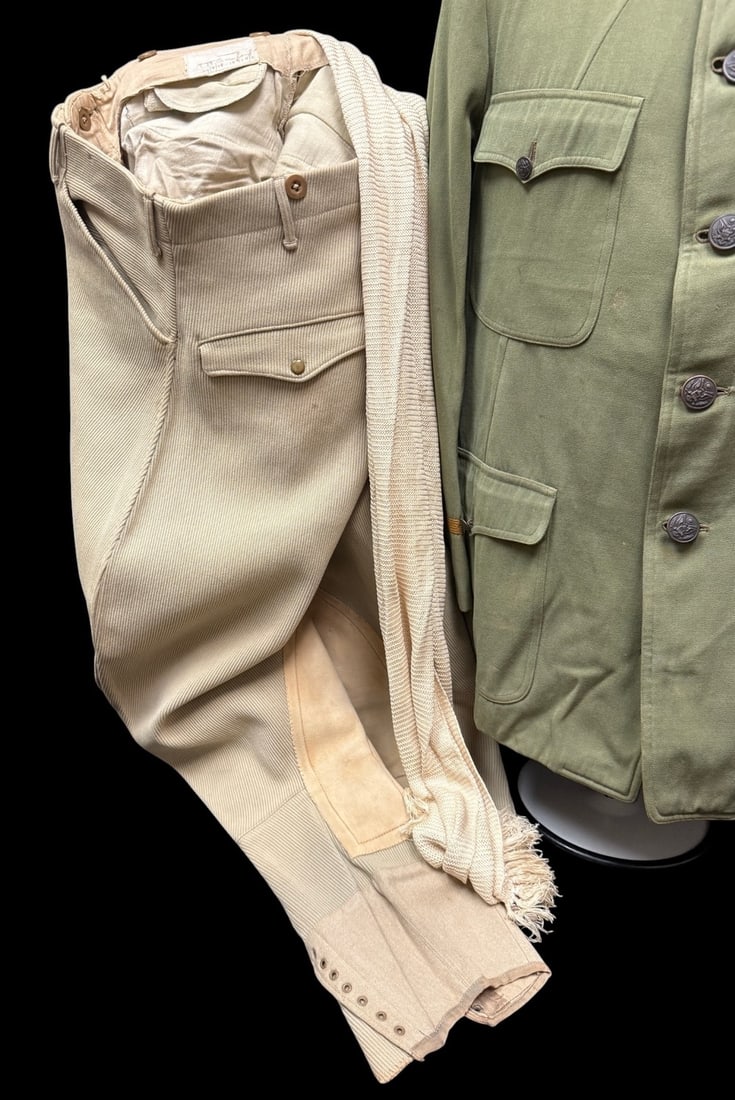
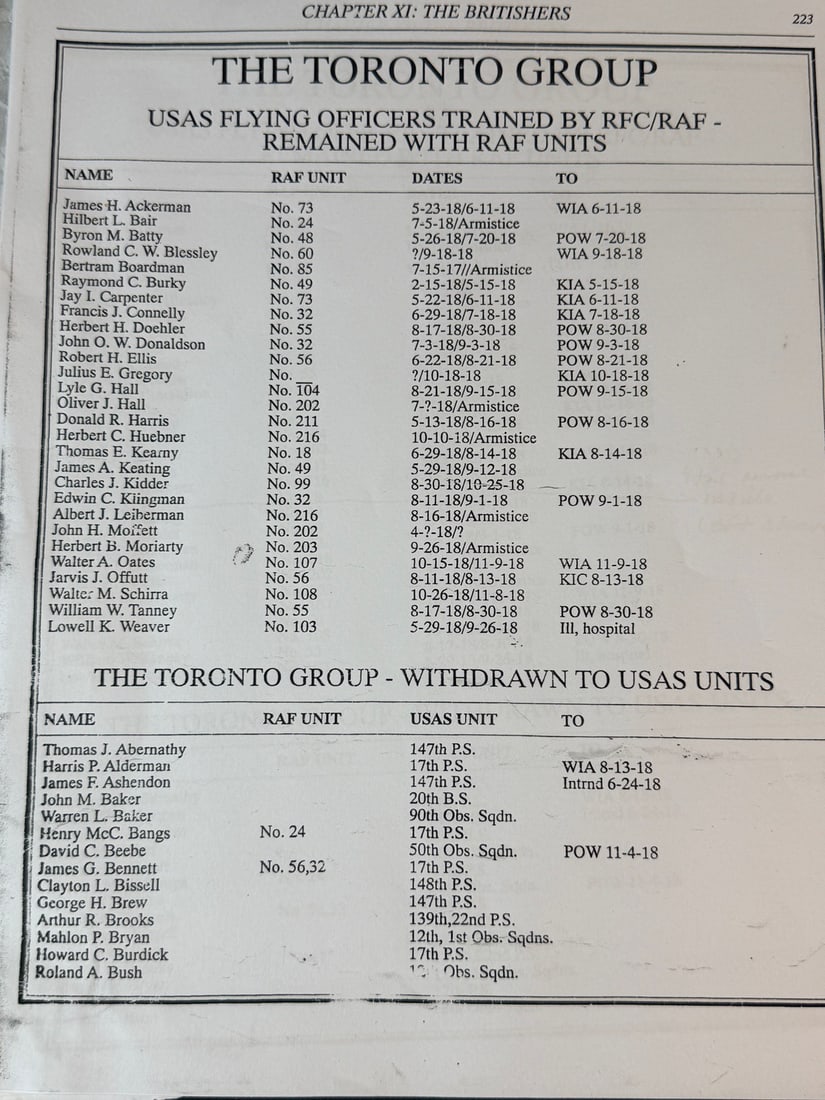
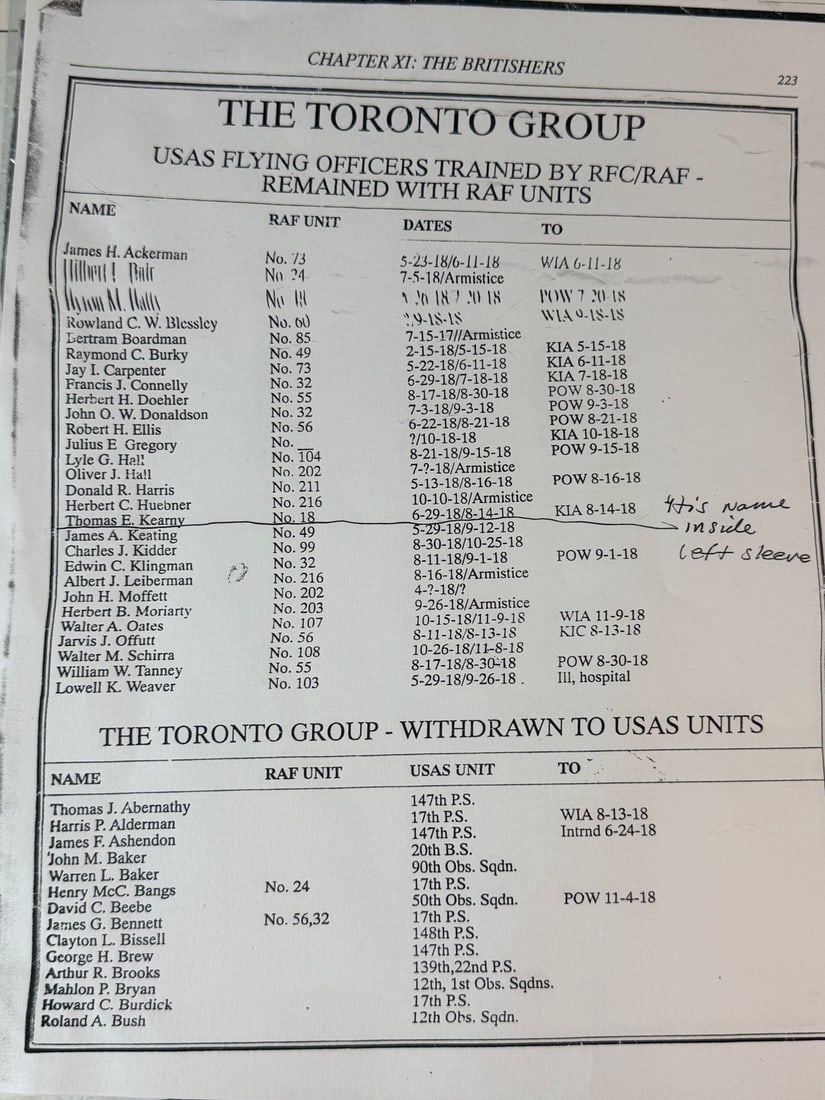
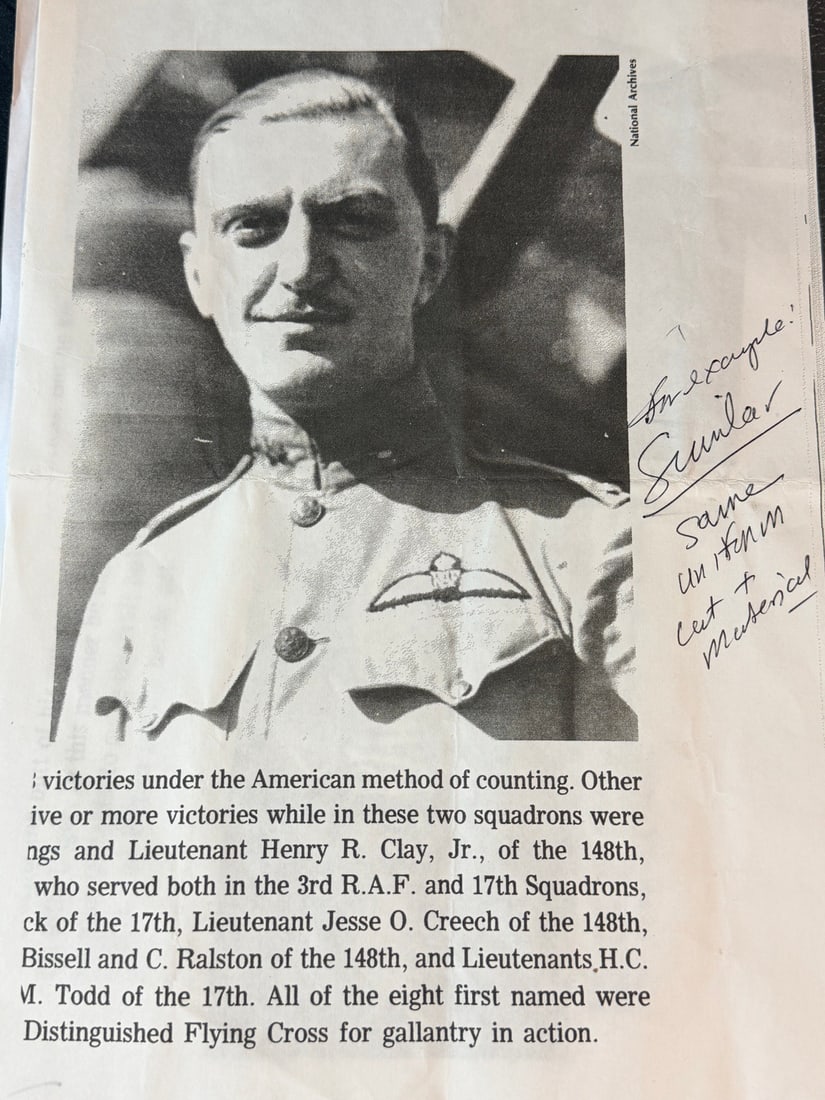
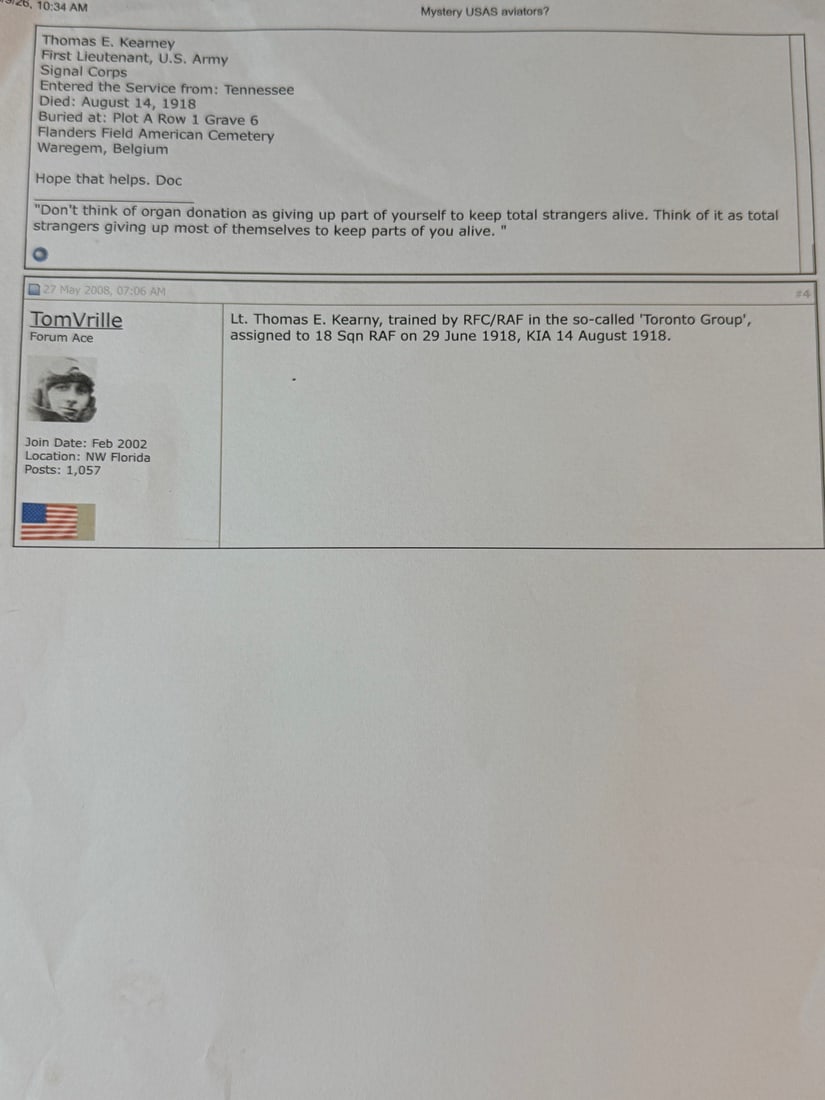
WWI USAS/RFC ‘Toronto Group’ Officer’s Uniform Grouping Named to 1st Lt. R. B. Crawford – Service Tunic, Bedford Cord Breeches, and Aviator Silk Scarf, Breeches Tailored by Crown Tailoring Co. Ltd., Toronto, Dated 24 August 1918 Offered here is a rare, named three-piece officer’s uniform grouping tied to the little-known ‘Toronto Plan, ‘ the wartime partnership between the U.S. Army Signal Corps/Air Service and the Royal Flying Corps Canada. The riding breeches carry a fully legible maker’s label from the Crown Tailoring Co. Ltd. of Toronto, hand-inked with the recipient’s name, "R. B. Crawford, " the date "24/8/18," and a tailor’s job/serial notation "15515/2" – the firmest personal and chronological anchor for the entire lot. No separate published biography for Lieutenant Crawford has been located; his story rests on the surviving uniform itself, its distinctive hybrid insignia, and the surrounding record of the training pipeline through which he almost certainly passed. Following America’s entry into the war, hundreds of U.S. cadets were sent north under reciprocal arrangement to train at RFC Canada facilities in and around Toronto, Camp Borden, Leaside, and Deseronto before continuing to flight schools in Texas. Those commissioned through this route – later termed the "Toronto Group" by historians of the U.S. Air Service – frequently wore a distinctive composite uniform: British/Canadian-cut service dress fitted with American bronze regulation buttons, "U.S.R." collar lettering denoting United States Reserve status, winged-propeller USAS collar insignia, and bullion RFC pilot wings earned to Royal Flying Corps standards, exactly as seen on the tunic offered here. A published roster of the program, included among the accompanying research pages, lists numerous American officers trained this way and subsequently posted to RAF squadrons on the Western Front – among them 1st Lt. Thomas E. Kearny, killed in action on 14 August 1918 while flying with No. 18 Squadron RAF, cited in the research as an example of the same uniform cut and insignia combination and of the frontline service that awaited pilots who passed through this training stream. Crawford’s name does not appear on the surviving portion of that particular roster, and the connection between this uniform and that specific published list should be understood as contextual rather than documentary; the tailor’s label and insignia nonetheless place him squarely within the same wartime training culture. The tunic is a four-pocket officer’s service coat in olive-khaki wool twill with a standing collar fitted with bronze "U.S.R." letters and a winged-propeller collar device, black-finish U.S. eagle-seal officer’s buttons down the front closure and pocket flaps, a single narrow gold-toned rank/service braid ring at one cuff, and a bullion-embroidered RFC pilot’s wing with crown and laurel sewn above the left breast pocket. The breeches are of tan bedford cord with a button fly, buttoned lower legs with hook closures, and suede knee reinforcements; the named Crown Tailoring Co. Ltd. label with Crawford’s ink inscription is stitched into the interior waistband. A cream knit aviator’s scarf with a long fringed terminus, consistent in tone and wear with period use, accompanies the group. No case or additional paperwork survives with the uniform beyond the tailor’s label itself and the photocopied research pages describing the Toronto Group program. Condition is very good to excellent for the age: the tunic retains strong original color with only light surface soiling and minor moth tracking, all insignia is present and securely mounted with no reproduction elements noted, the breeches show light honest toning at the suede knee panels, and the scarf shows minor age discoloration and fringe wear consistent with a garment of this vintage. A scarce, named survivor of the USAS/RFC Toronto Plan, its hybrid American-and-British insignia standing as tangible evidence of the transatlantic training program that fed young American pilots directly into RAF squadrons over the Western Front in the final year of the First World War.
Share this lot: