Fall 2026 Militaria and Aviation Auction
Lot 365:
Description
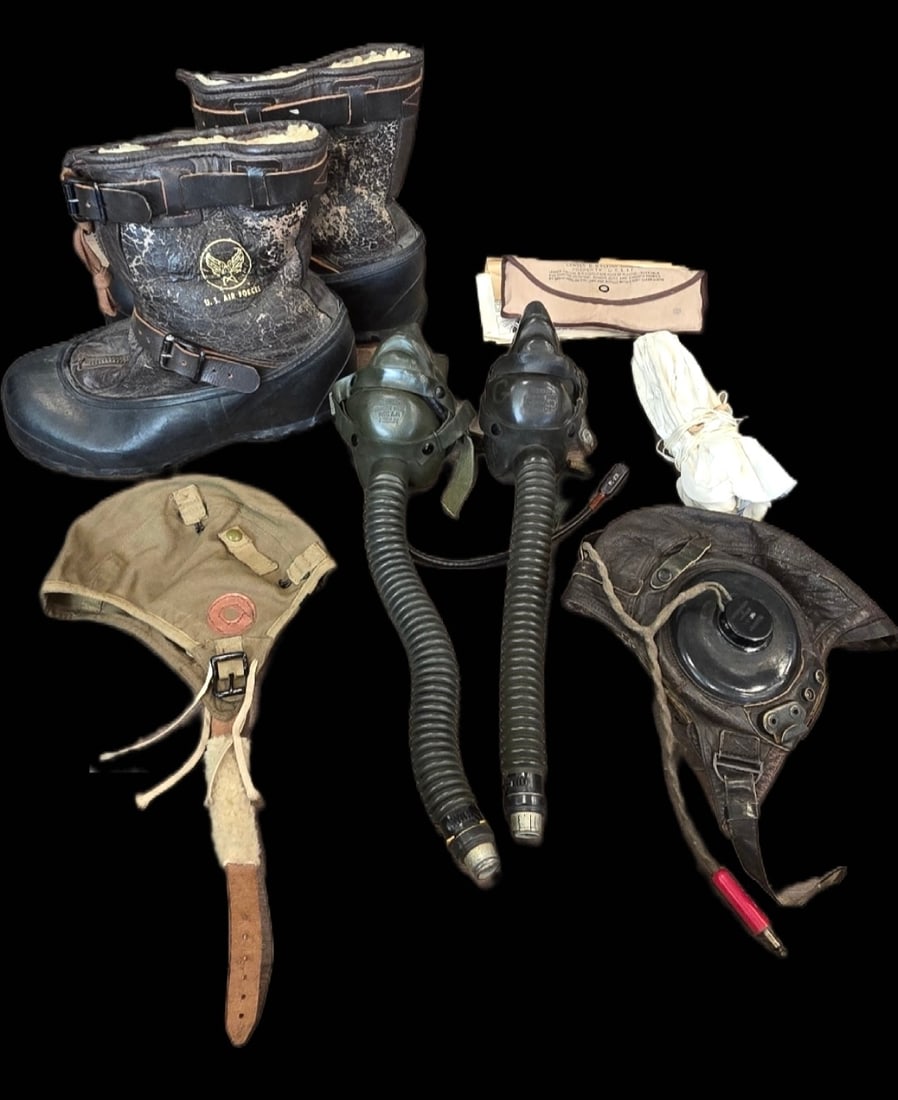
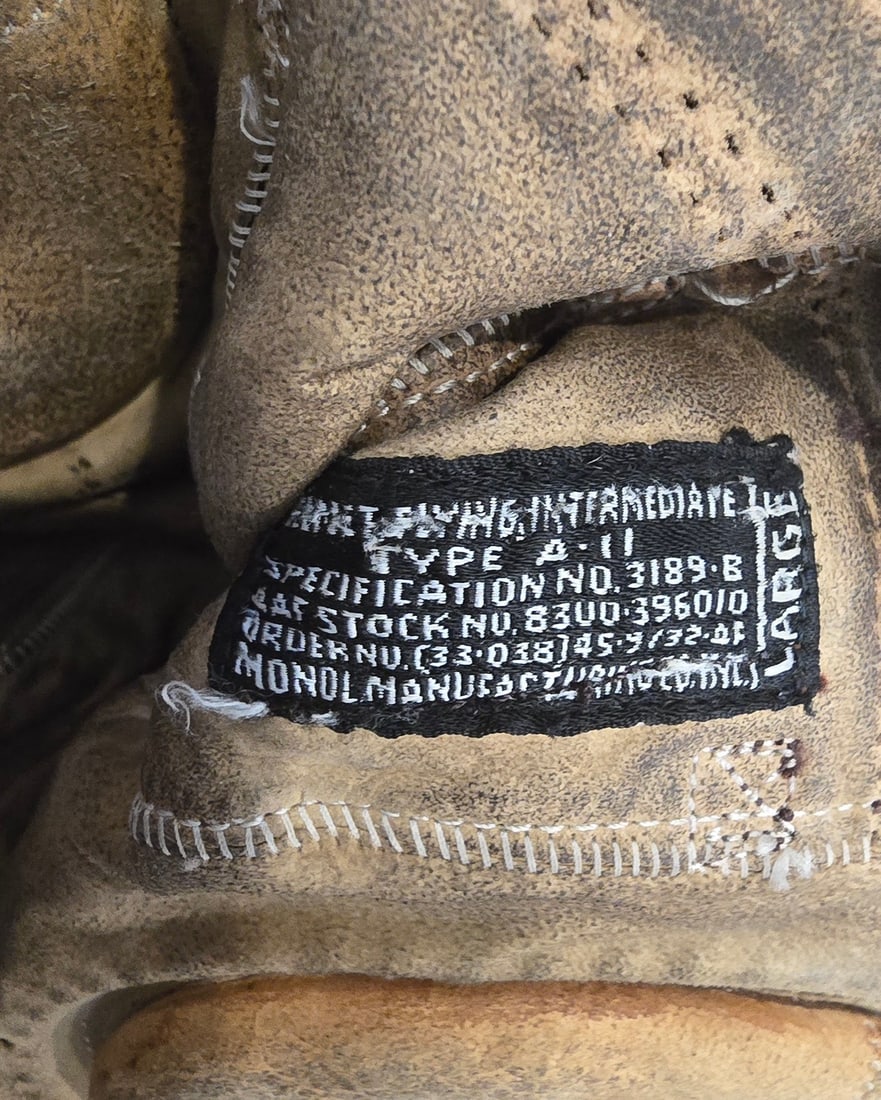
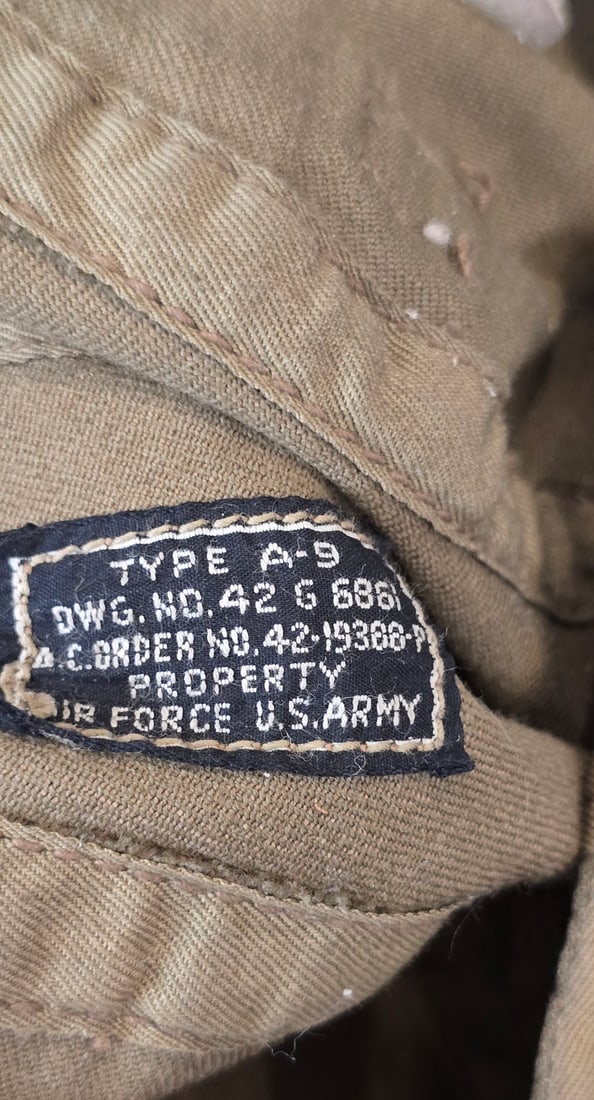
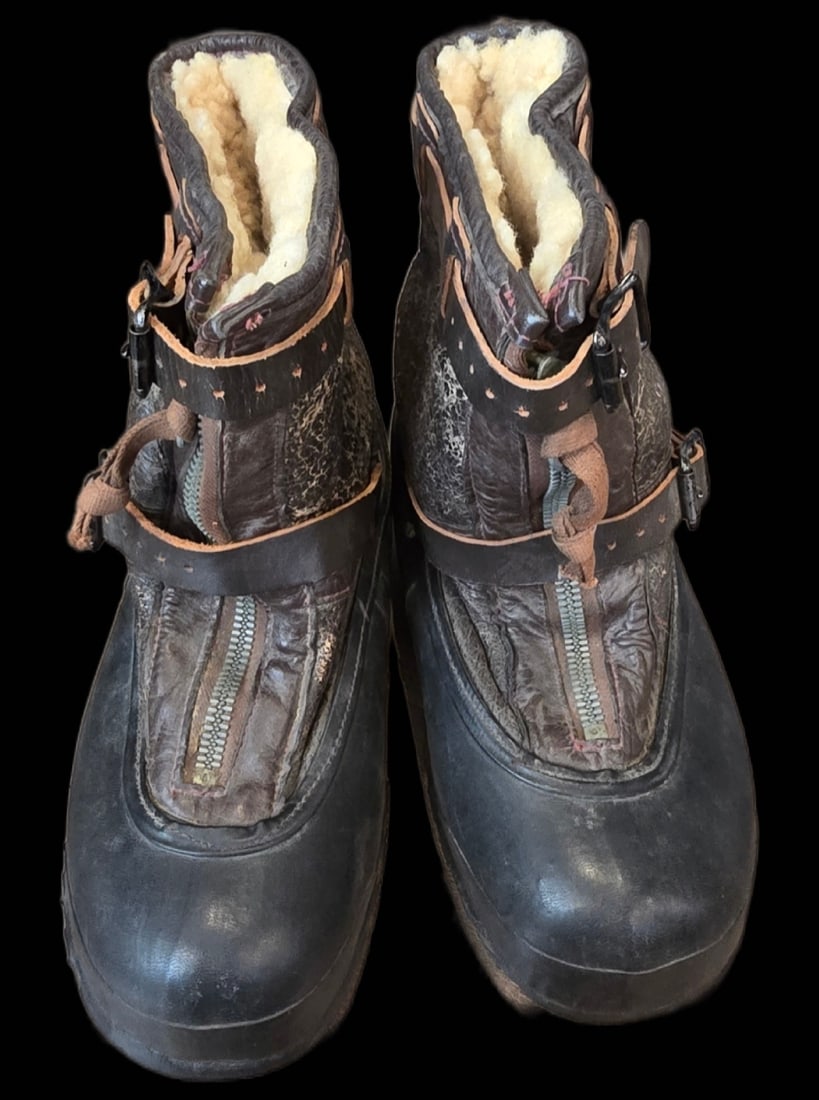
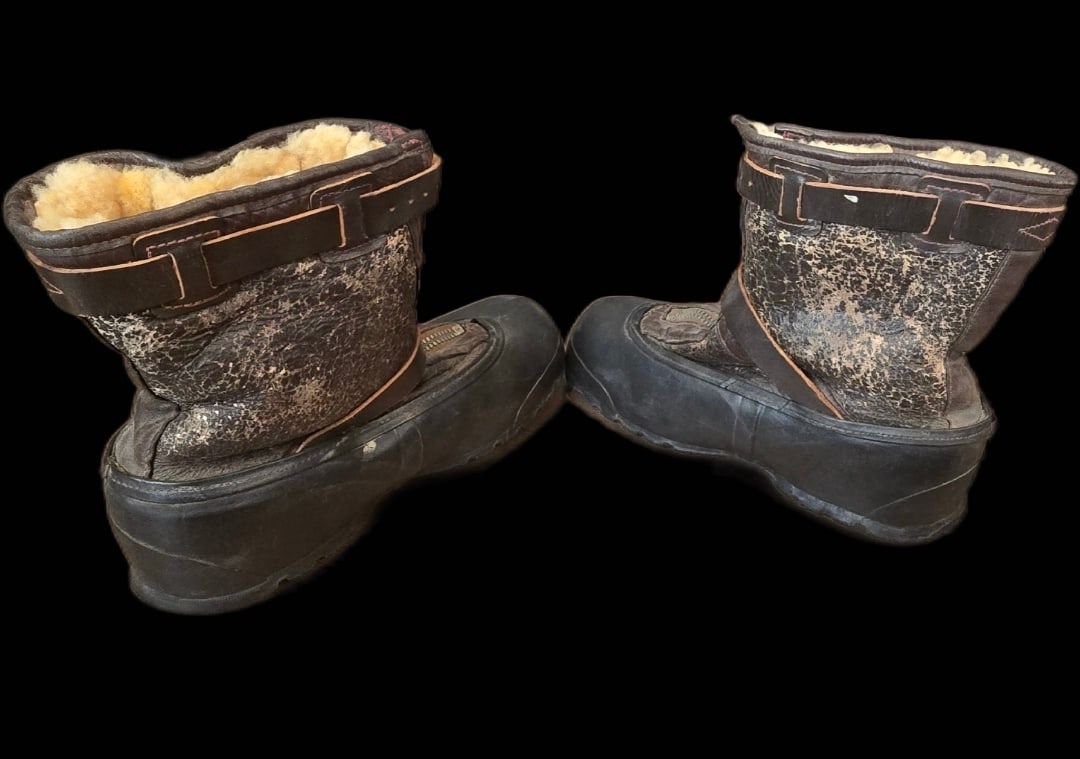
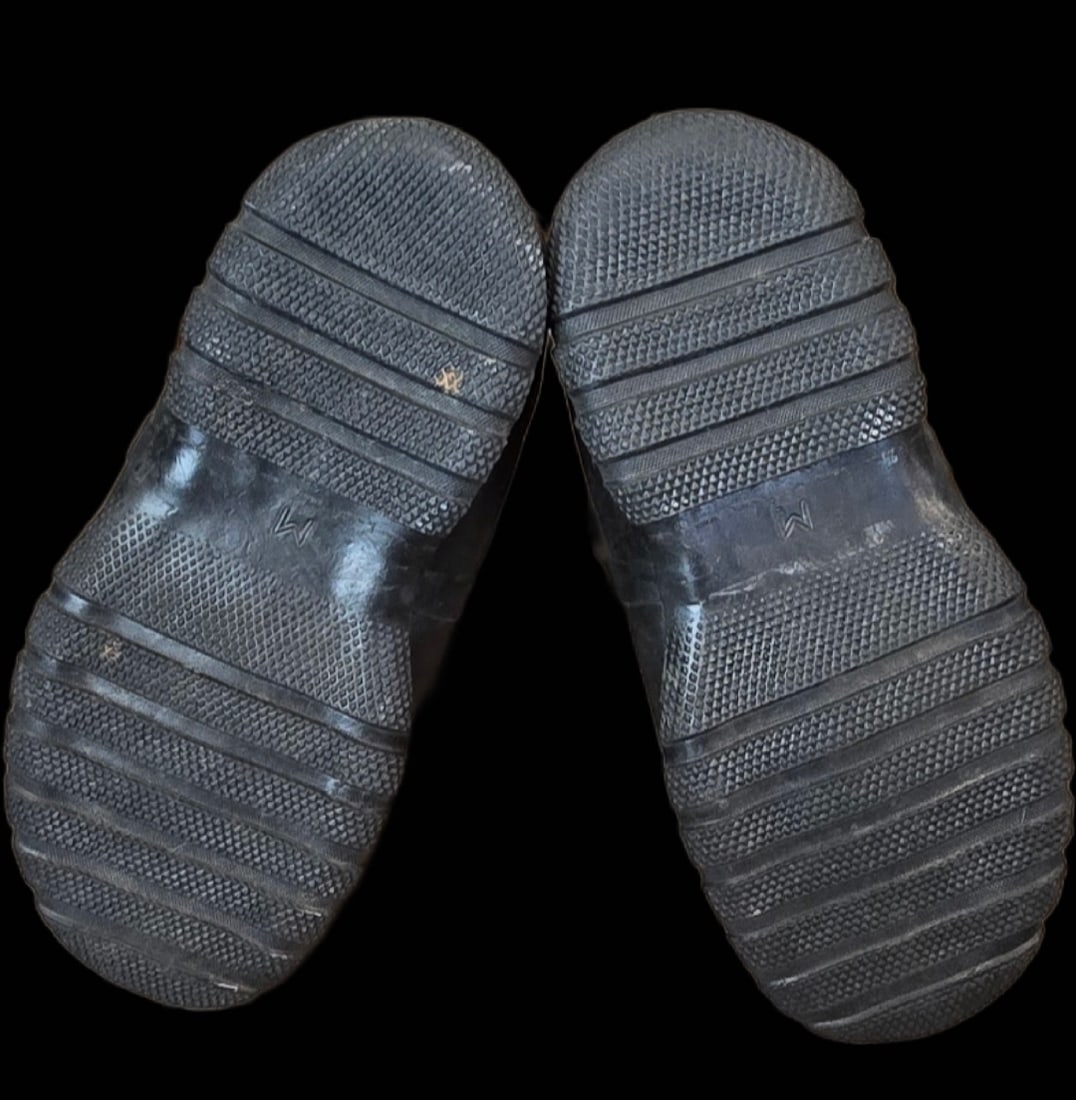
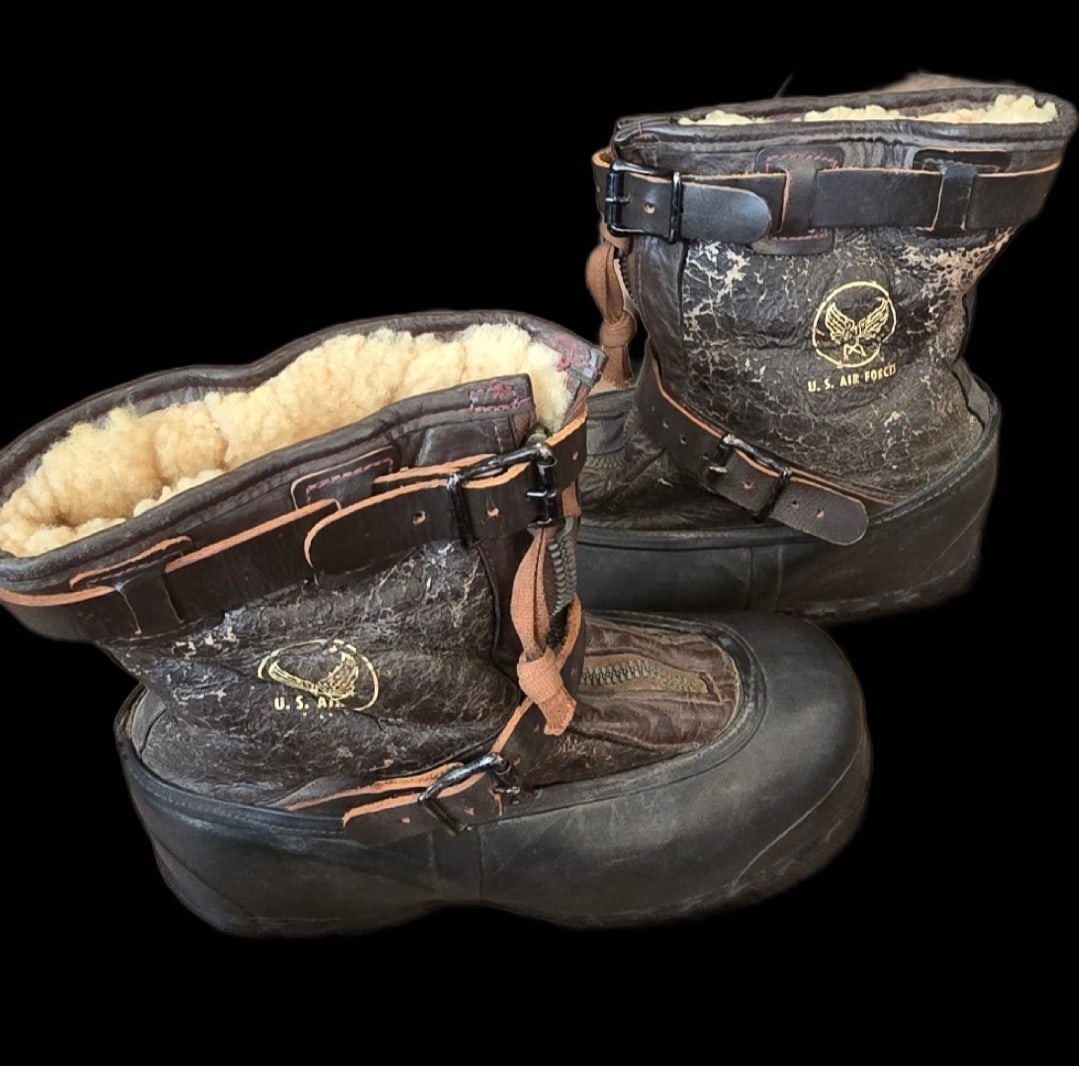
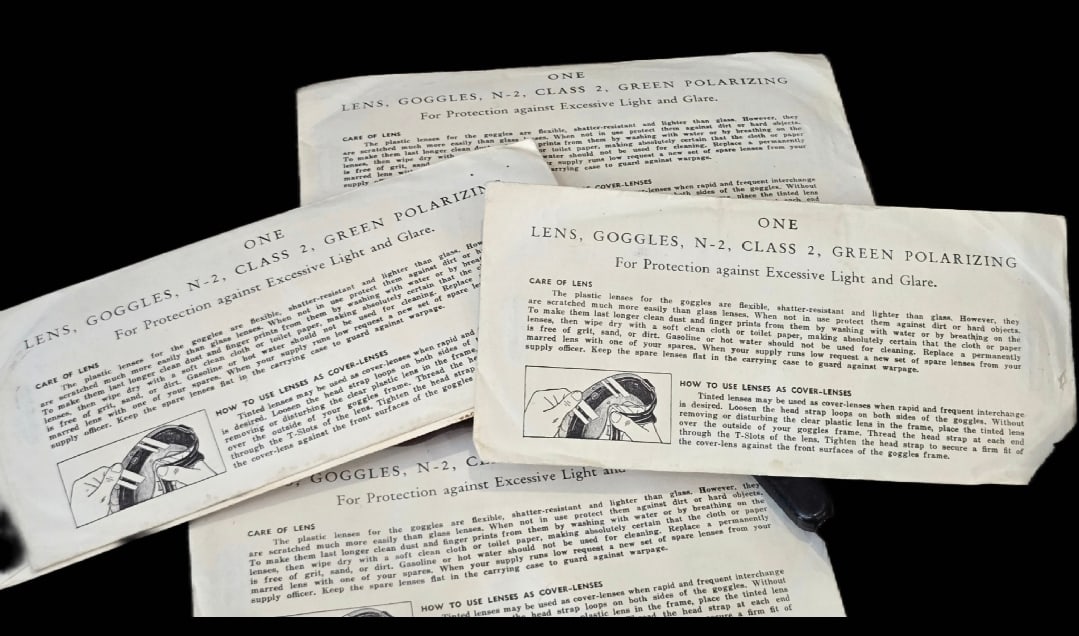
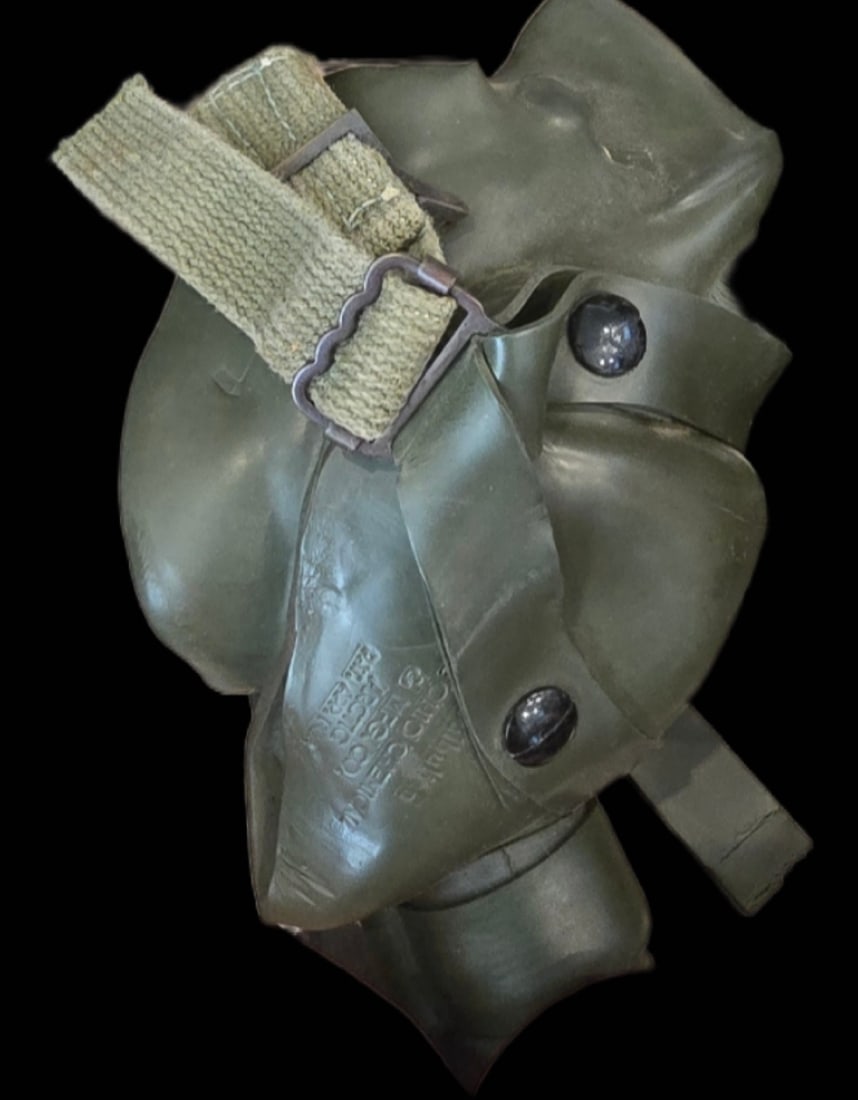
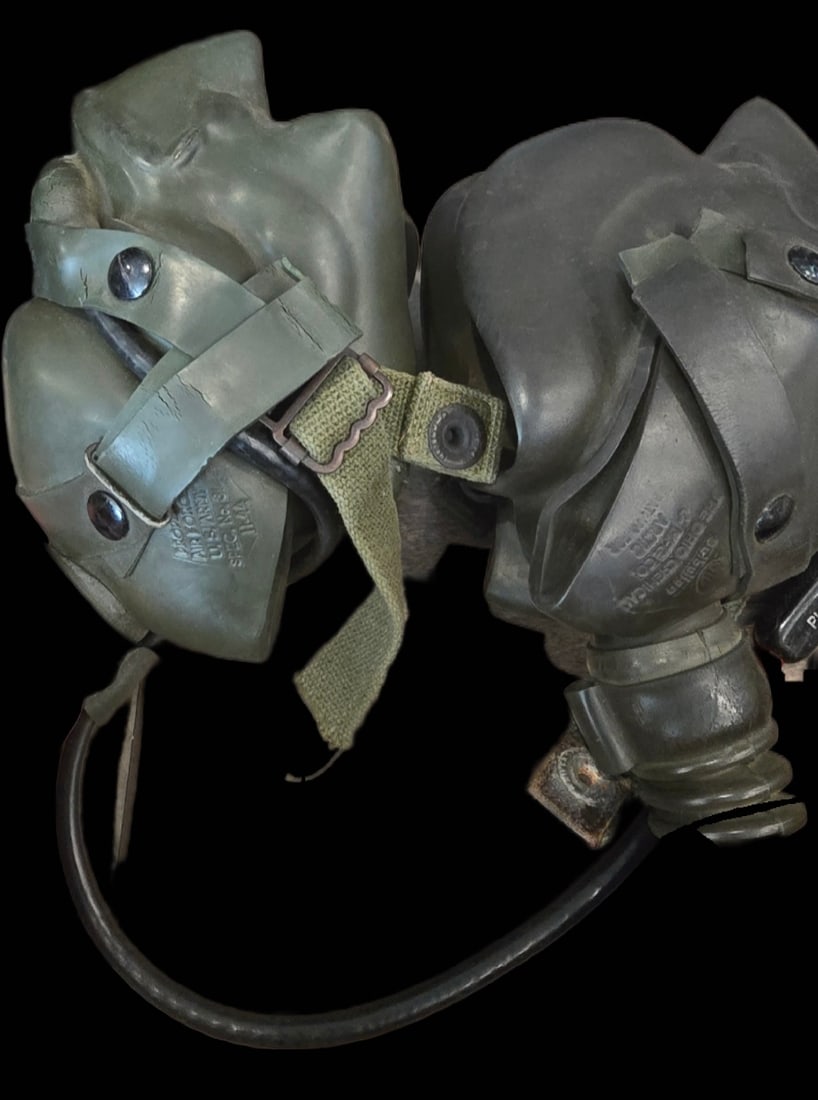
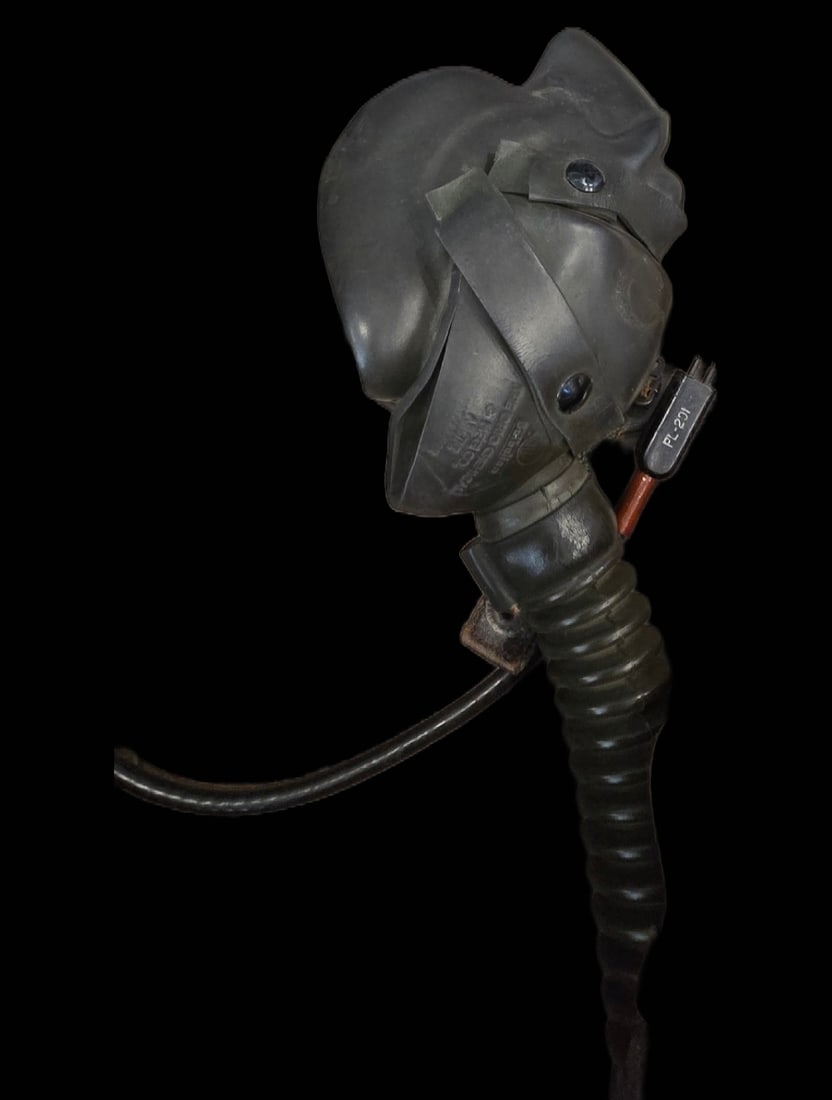
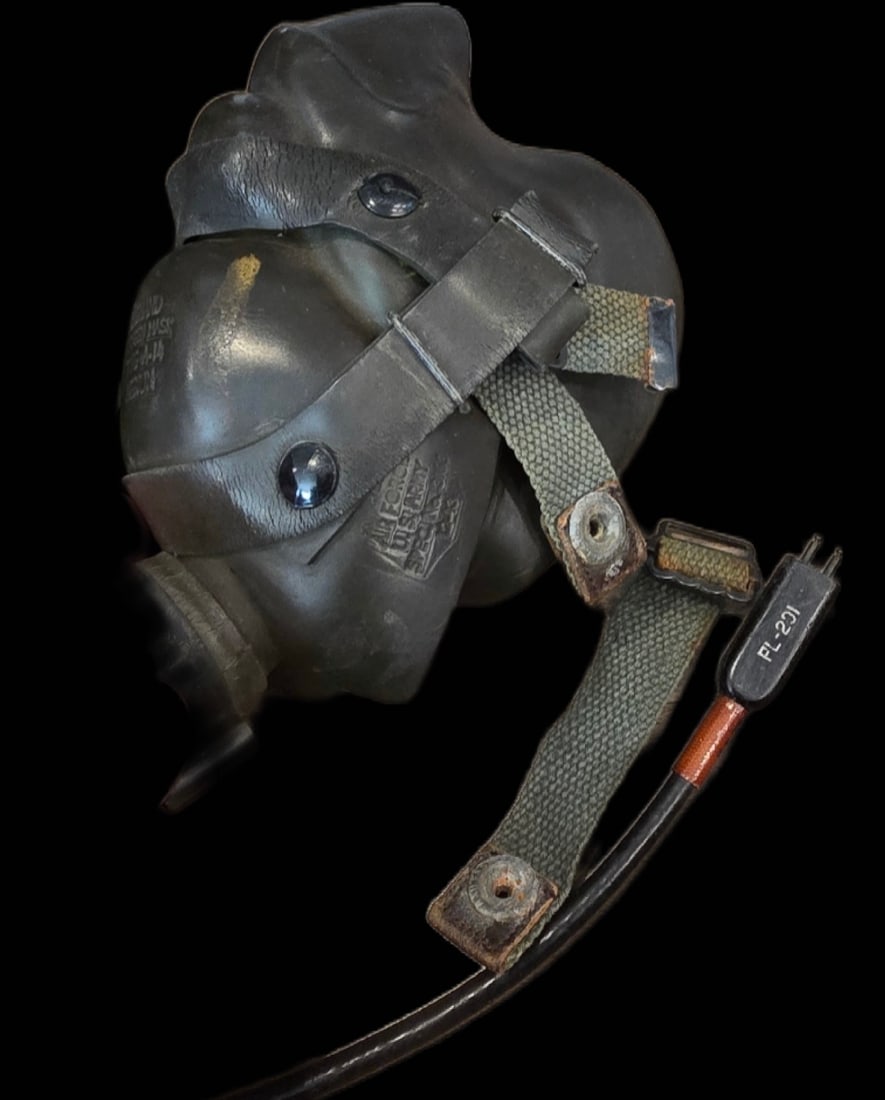
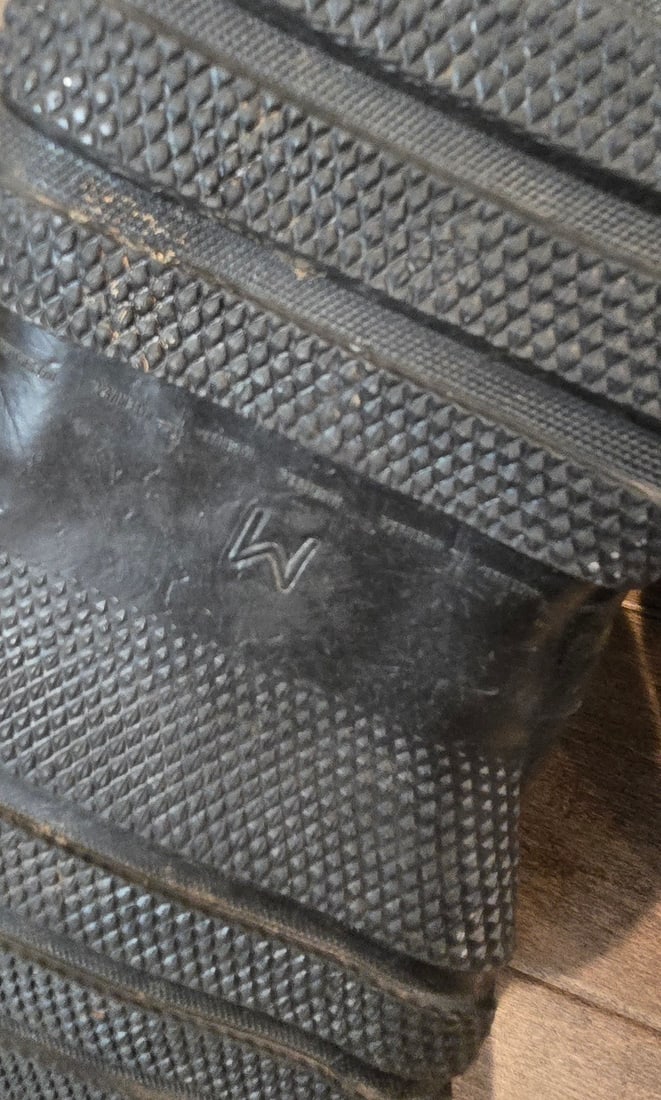
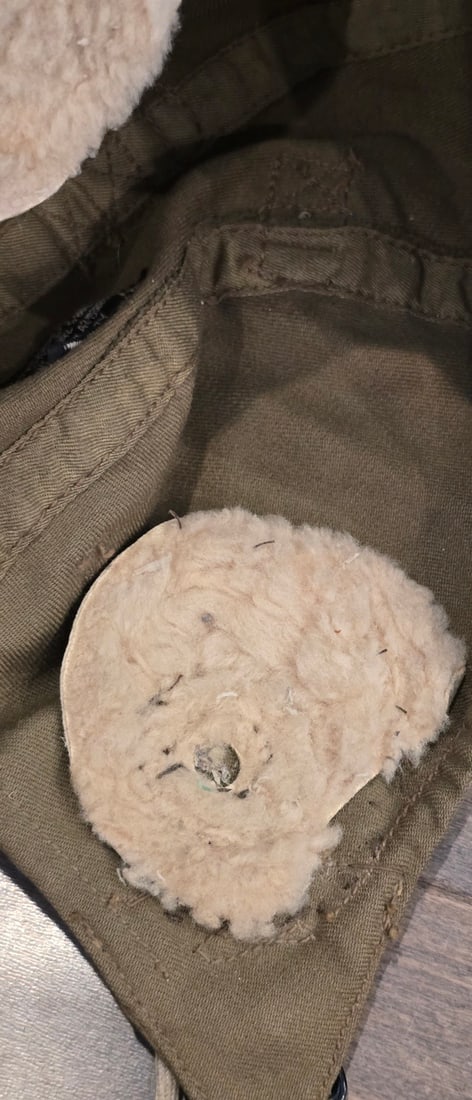
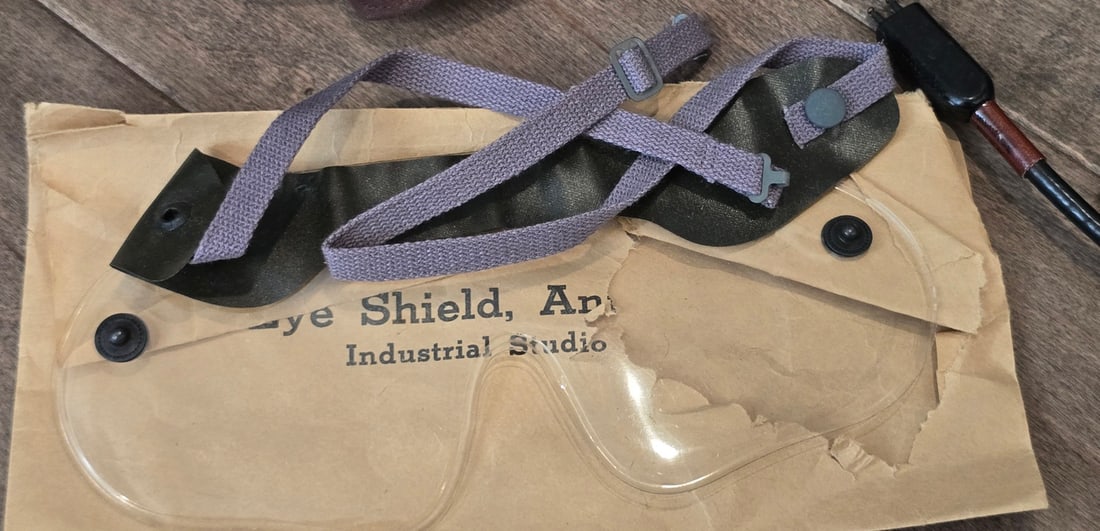
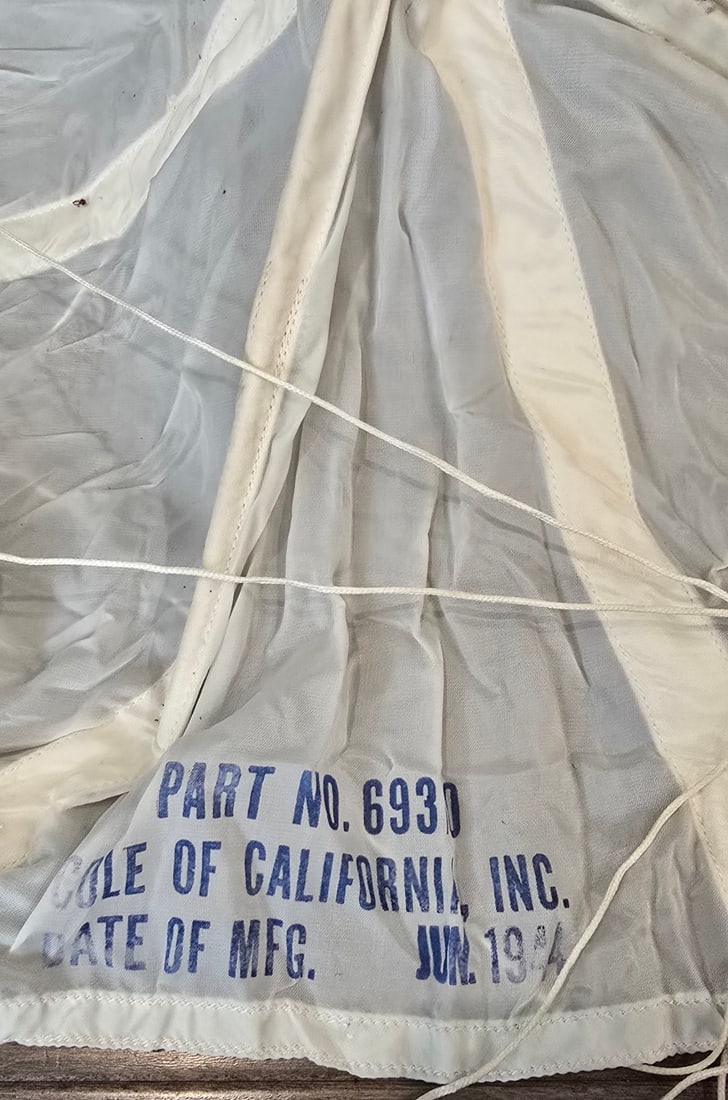
World War II USAAF Aviator’s Flight Gear Lot – Type A-11 Intermediate Helmet (Mondl Mfg. Co., Size Large), Type A-9 Summer Helmet (Dwg. No. 42 G 688, A.C. Order No. 42-19388-P), Pair of A-6/A-6A Shearling-Lined Boots (Size Medium), Two Ohio Chemical Type A-14 Demand Oxygen Masks, N-2 Goggle Replacement Lenses, an Eye Shield, and a Cole of California Pilot Chute Dated June 1944. This substantial grouping of United States Army Air Forces flying equipment brings together the core protective gear issued to high-altitude bomber and fighter crews during the Second World War. Its story rests in the specification labels, contractor stamps, and Air Corps stock numbers stitched into each piece – the Type A-11 helmet bearing its Mondl Manufacturing Co. label reading Specification No. 3189-B, A.A.F. Stock No. 8300-396010, and Size Large; the Type A-9 summer helmet marked with Drawing No. 42 G 688 and Air Corps Order No. 42-19388-P; and the parachute canopy carrying a Cole of California, Inc. ink-stamped data panel reading Part No. 6930 and Date of Mfg. Jun. 1944. By 1943 the USAAF had standardized a layered system of flight clothing to combat the extreme cold and hypoxia encountered in unpressurized bomber and fighter cockpits at altitudes exceeding 20,000 feet. The Type A-11 leather helmet, fitted with integrated receiver cups and internal wiring, was worn in tandem with the Ohio Chemical & Manufacturing Co. Type A-14 demand oxygen mask, standardized that same year to replace earlier continuous-flow designs and issued widely to Eighth and Ninth Air Force crews over Europe as well as units in the Pacific and China-Burma-India theaters. Sheepskin-lined A-6/A-6A boots, distinguished by their gold-stamped USAAF wing-and-star decals, were critical to preventing frostbite among waist gunners and radio operators exposed to slipstream chill through open positions. Notably, the pilot chute in this lot was manufactured by Cole of California, a Los Angeles swimsuit maker whose textile plant, like many American garment firms, was converted to wartime parachute production – a small but telling example of industrial mobilization on the home front. The Type A-11 intermediate flying helmet retains its brown leather shell, receiver cups, internal wiring, and crisp woven Mondl label, showing surface wear, aged patination, and minor verdigris to the metal snap fasteners. The Type A-9 summer flying cap displays its original khaki twill shell and legible woven property label, with a shearling ear patch, visible fabric wear, and small losses to the fabric near the crown. The pair of A-6/A-6A shearling-lined boots, marked Size Medium on the rubber soles, show heavy surface flaking and crazing to the brown leather uppers, with intact cream shearling linings, functional buckles and front zippers, and rubber overshoe soles retaining a partial USAAF wing-and-star decal.
Share this lot: