Fall 2026 Militaria and Aviation Auction
Lot 369:
Description
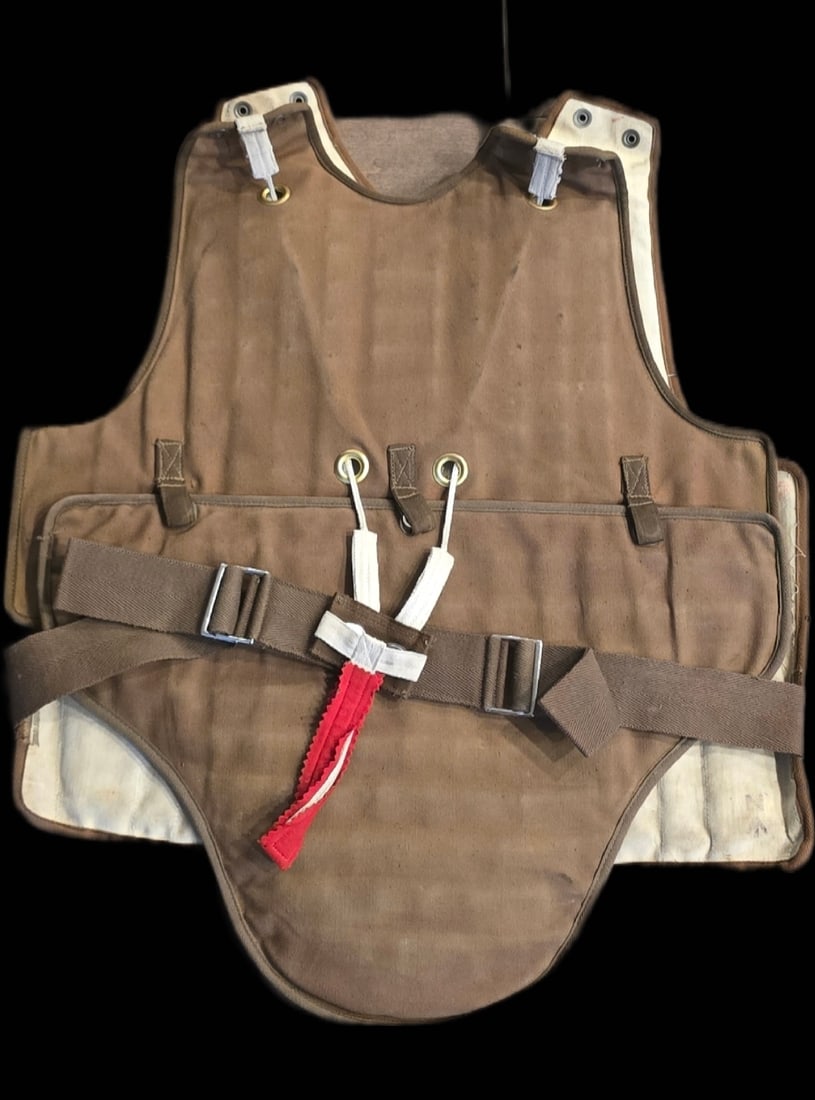
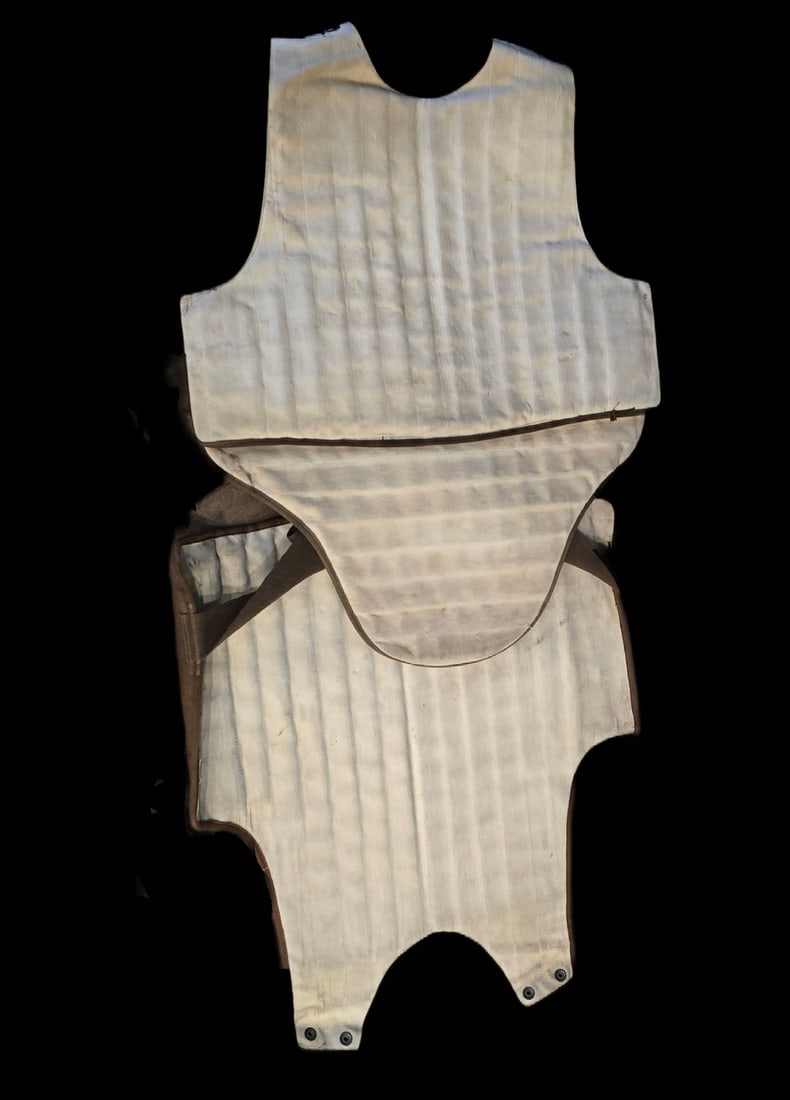
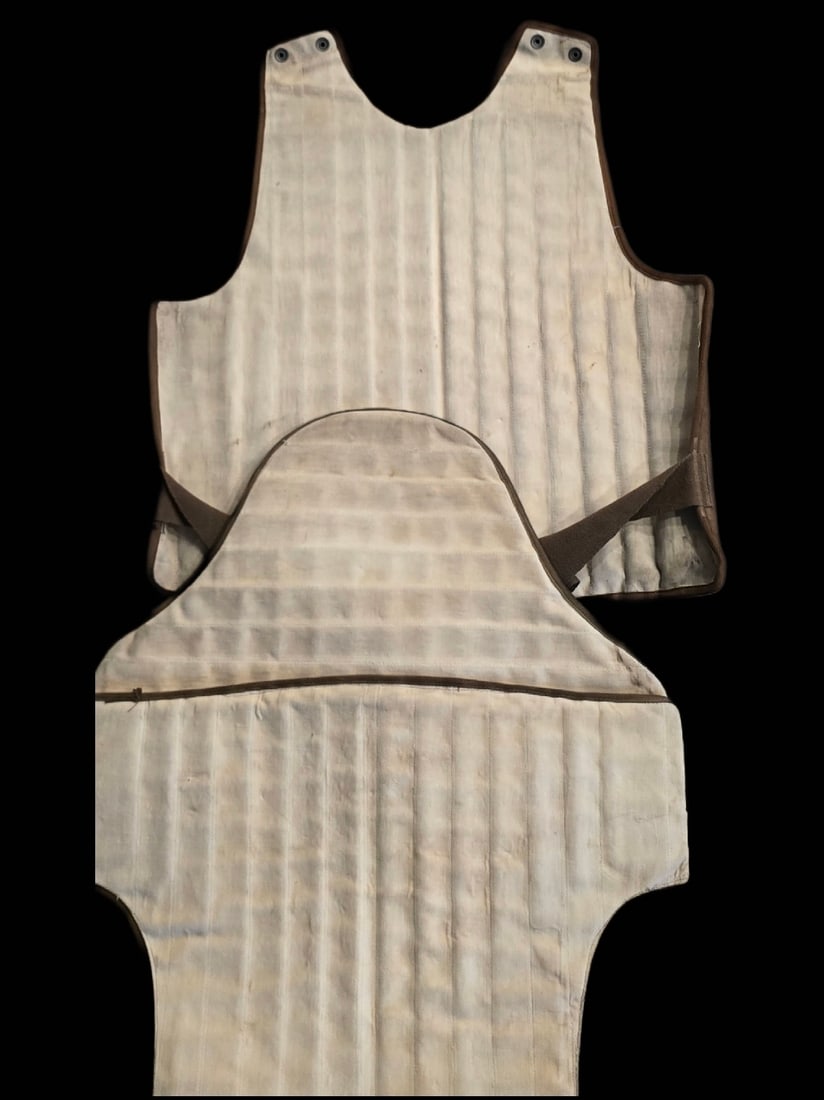
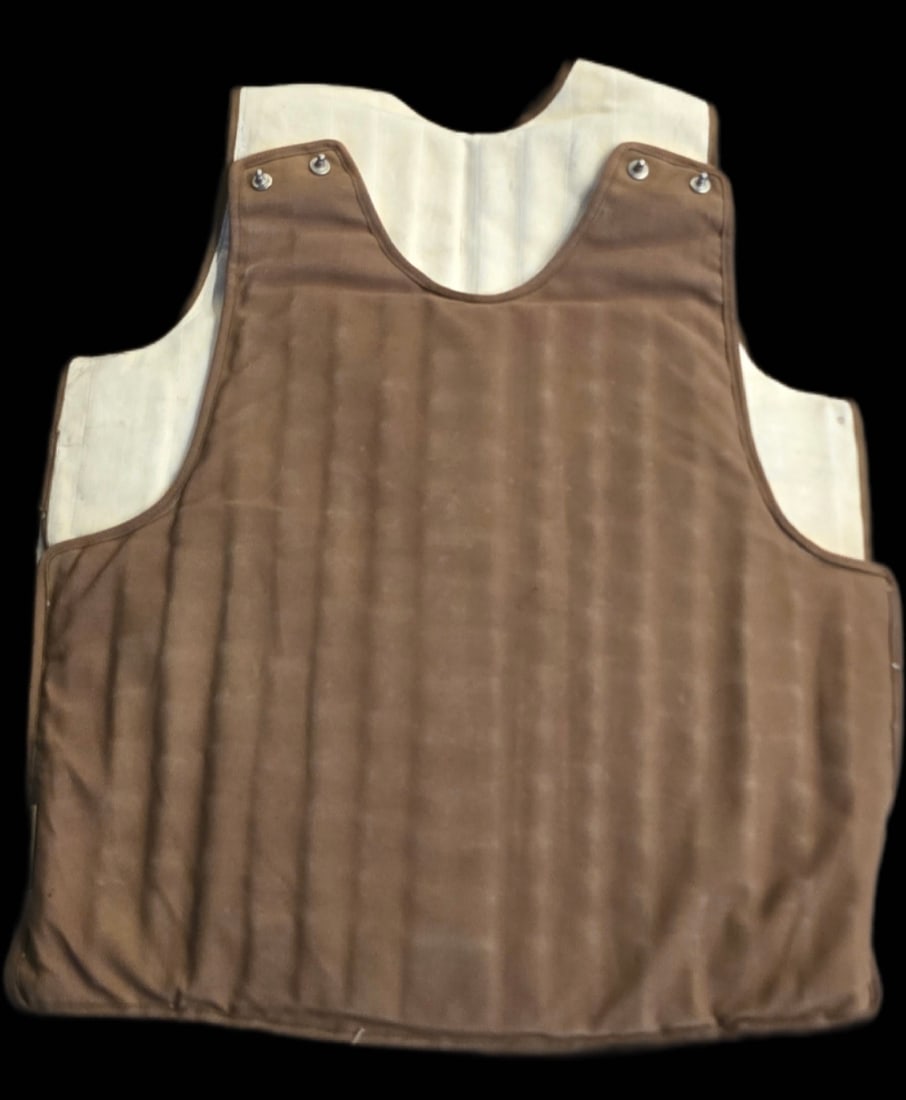
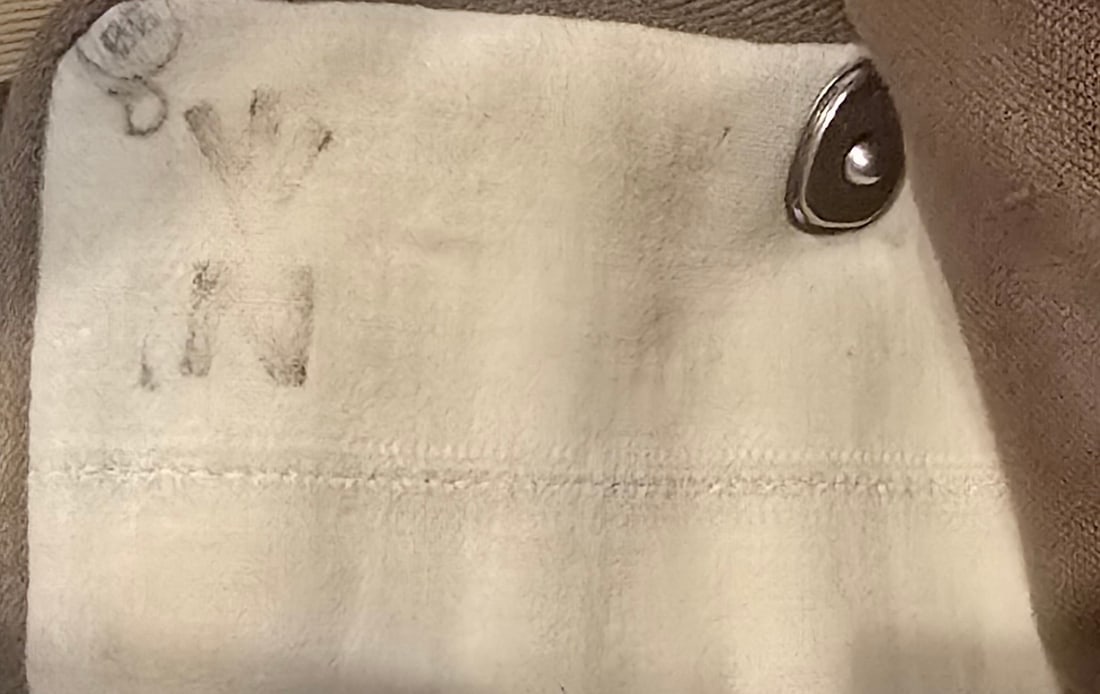
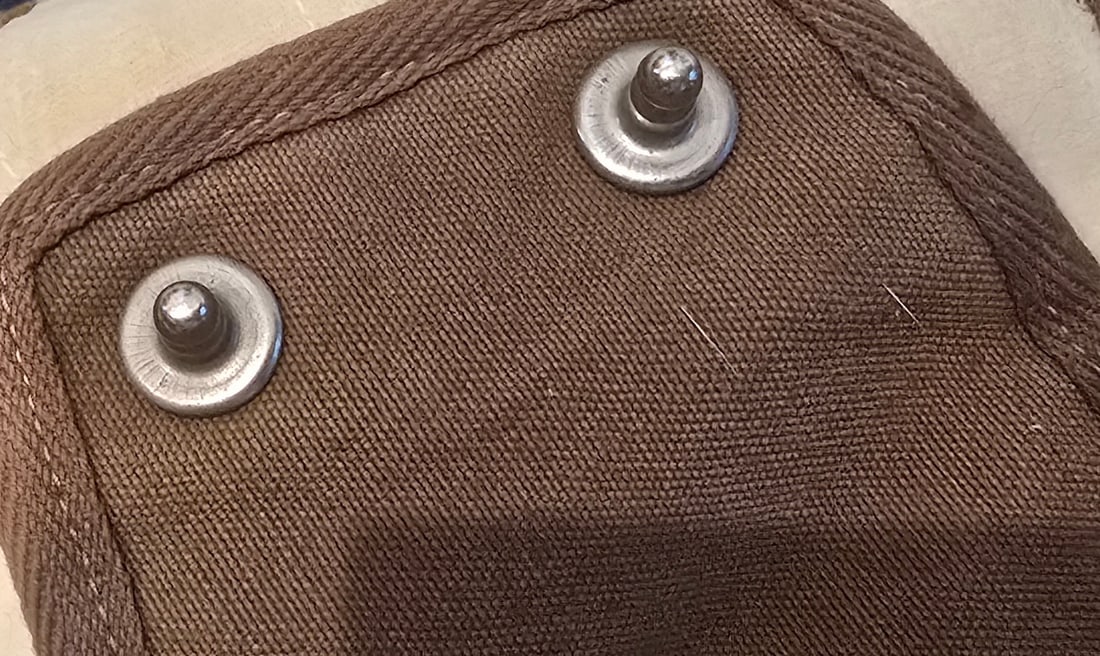
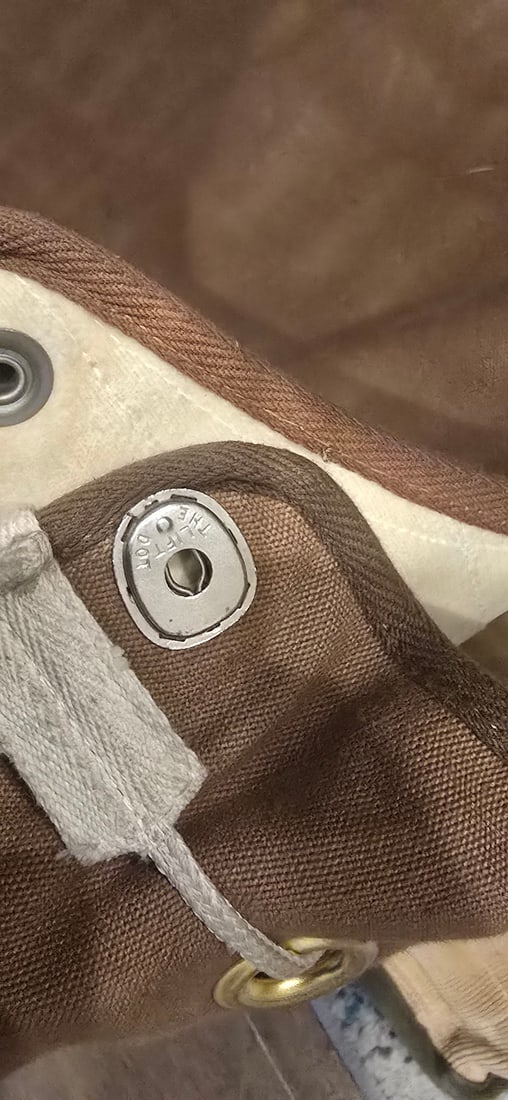
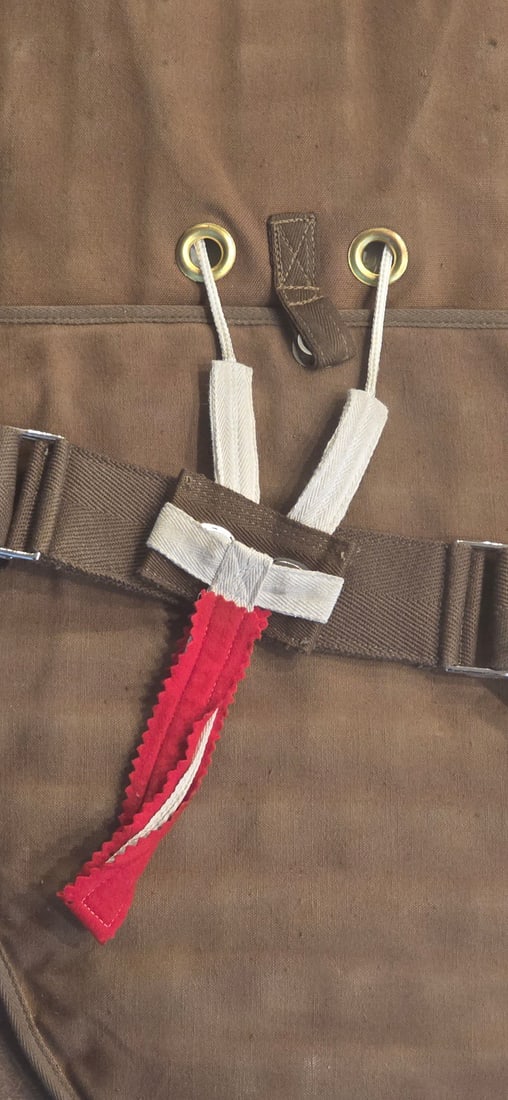
RARE WWII British-Made USAAF/RAF Flyer’s Anti-Flak Body Armour, Wilkinson Sword Co. Type A Vest with Type C Contoured Apron/Groin Protector, circa 1942-1943 Offered here is an exceptional survivor of the earliest Allied flak armor developed for heavy bomber crews – a British-made Type A vest, comprising front and rear plated panels, together with its matching Type C contoured apron/groin protector, manufactured under wartime contract by the Wilkinson Sword Company of London. Its significance rests in its rarity of survival and its direct documentary link to the pioneering Grow-Wilkinson armor program of 1942-43. The development of this armor traces to Colonel Malcolm C. Grow, Surgeon of the U.S. Eighth Air Force, who in late 1942 grew alarmed at the mounting toll of anti-aircraft fragmentation wounds among bomber crews over occupied Europe – injuries suffered even when the aircraft itself remained flyable. Working with Wilkinson Sword, long famous as a maker of edged weapons, Grow oversaw the creation of a lightweight, wearable armor built from overlapping manganese steel plates encased in canvas pockets, sufficient to stop fragment penetration while still allowing a gunner or radio operator to work inside a cramped B-17 or B-24 fuselage. Produced first in Britain under Lend-Lease and issued to both Eighth Air Force and RAF crews flying from English airfields, this pattern became the direct ancestor of the later mass-produced American M1 and M2 flak suits. Crucially, the design incorporated a quick-release mechanism – the vivid red felt pull tab seen here, its white webbing cords threaded through brass grommets – allowing an airman to shed the armor’s considerable weight in seconds during a bailout or ditching, a feature born of hard lessons learned when heavy plate had dragged wounded or unconscious crewmen down in the Channel or North Sea. The vest’s front and rear panels are constructed of heavy drab brown canvas overlapping the articulated manganese steel plates, each panel backed with soft off-white corduroy quilted in vertical channels to hold the plates in register; the shoulders close with adjustable webbing straps and nickel Lift-The-Dot fasteners, the reverse legibly stamped with the British War Department broad arrow and inspection marks.
Share this lot: