Fall 2026 Militaria and Aviation Auction
Lot 370:
Description
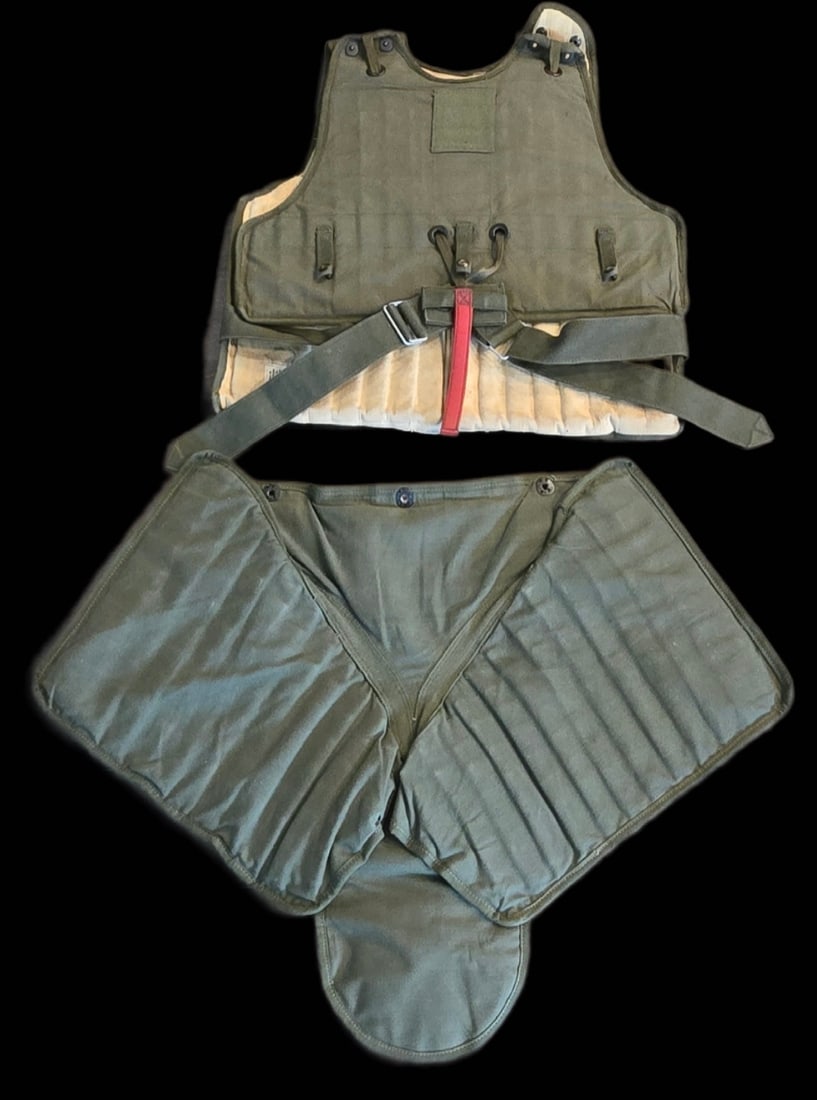
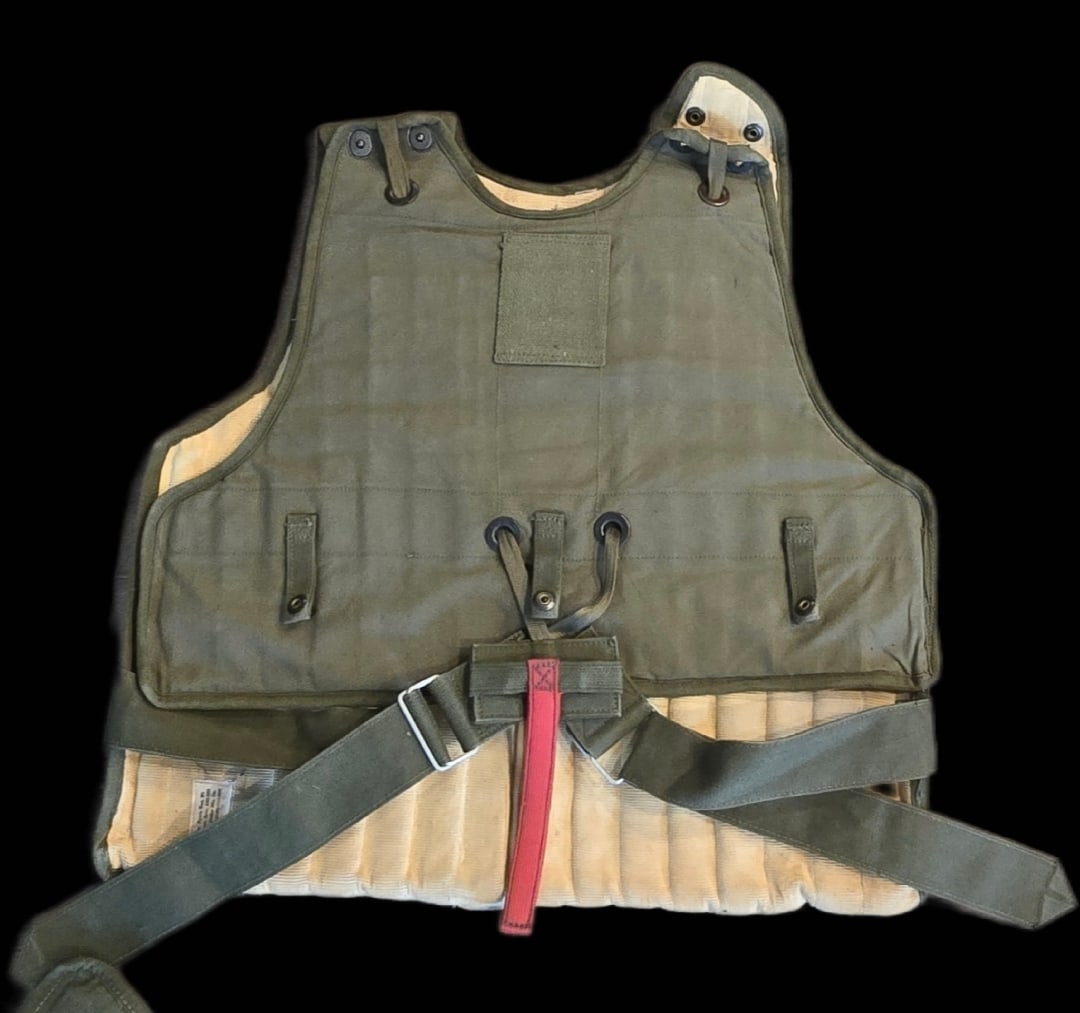
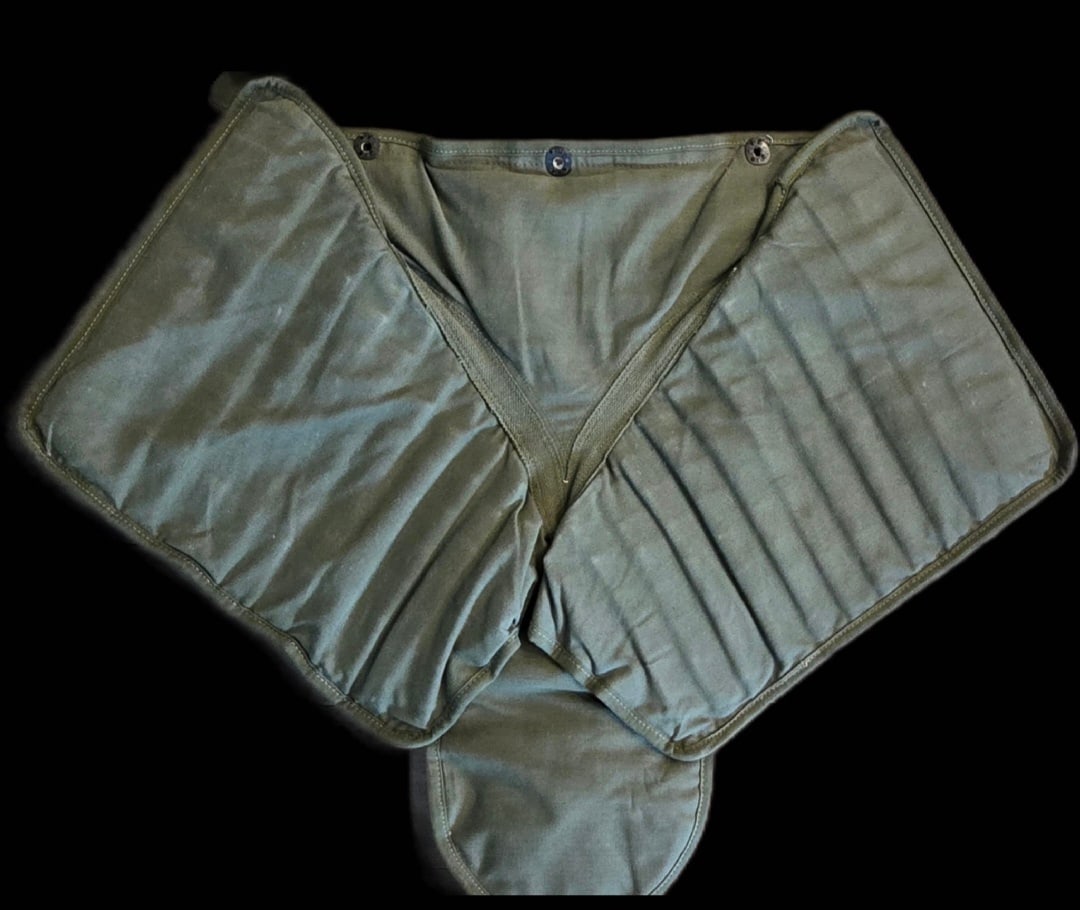
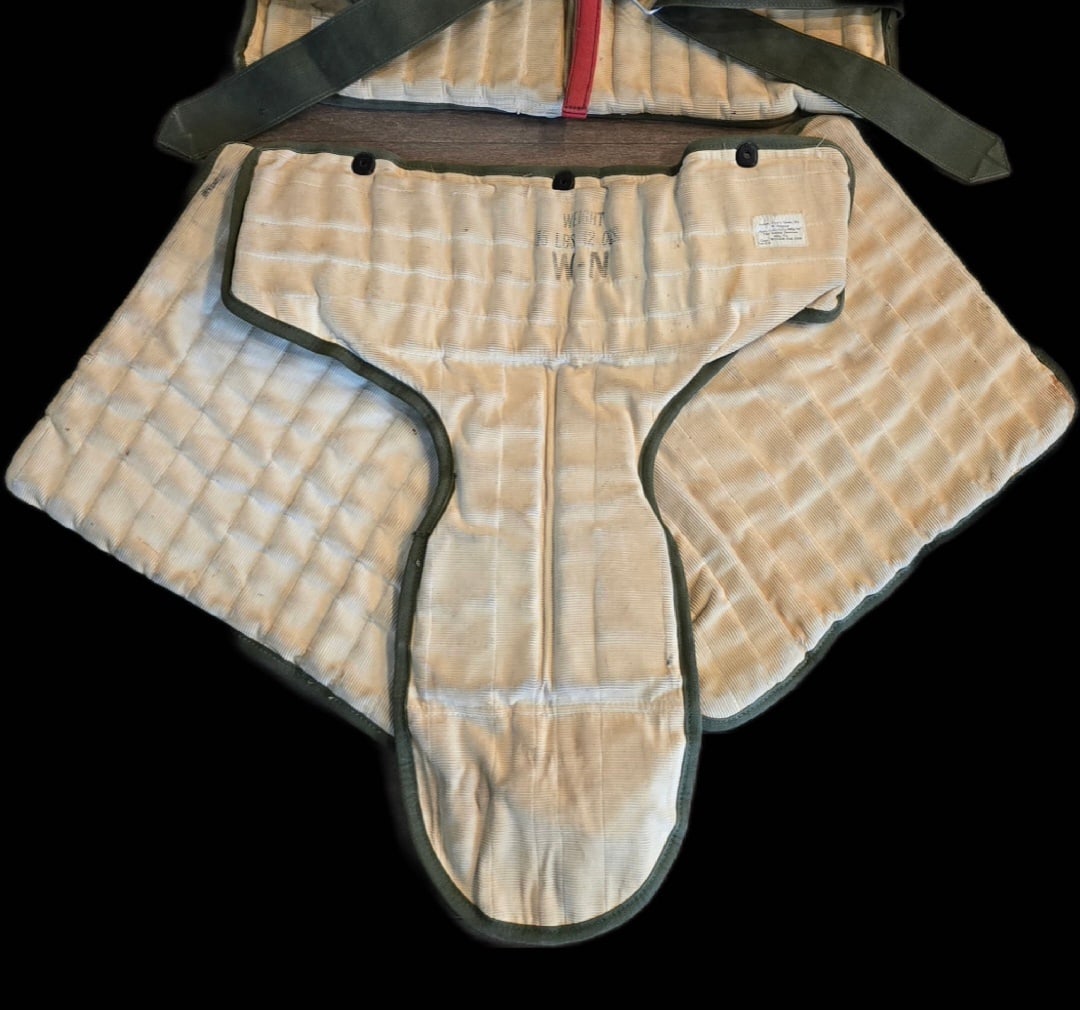
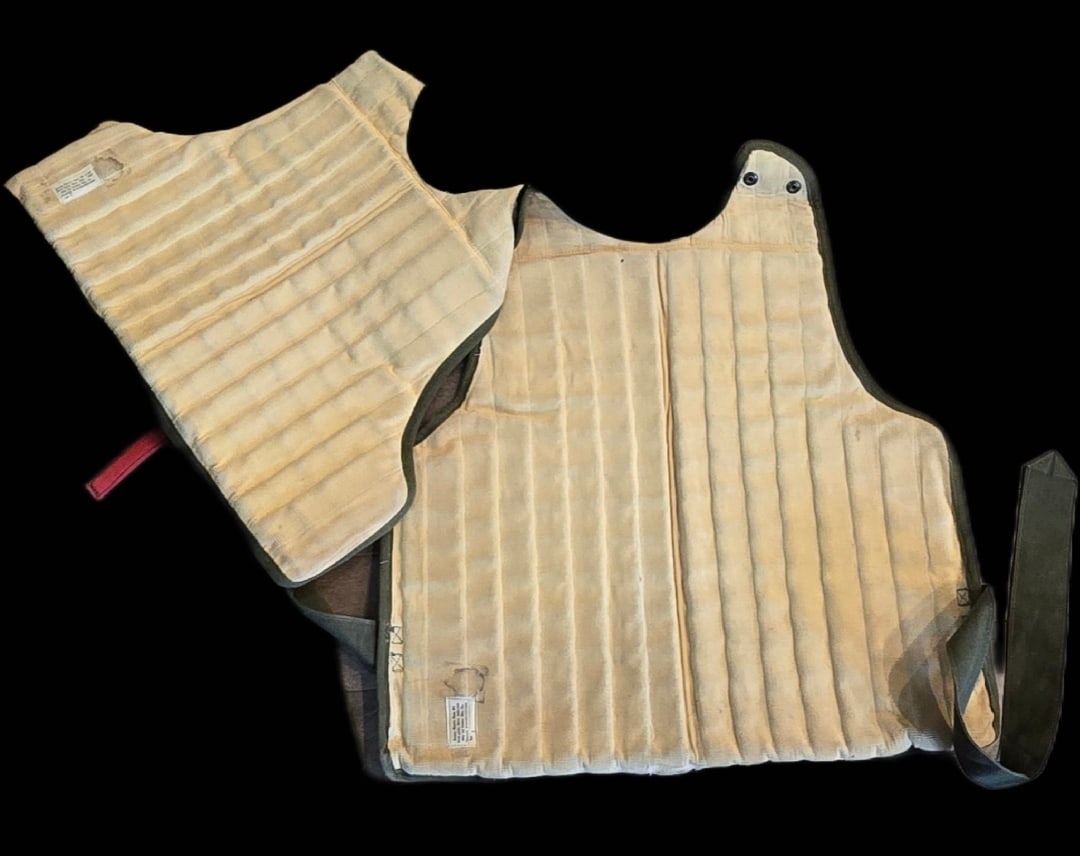
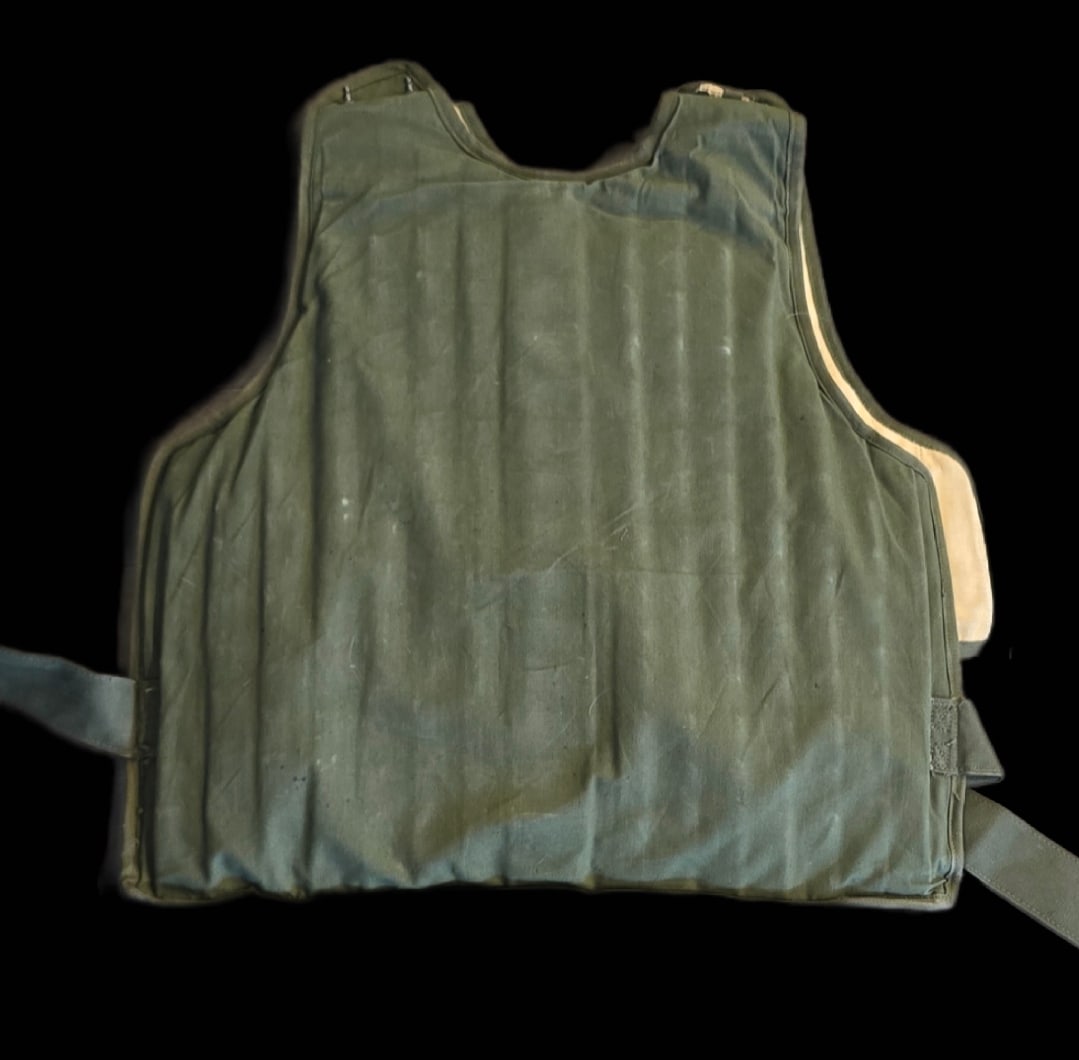
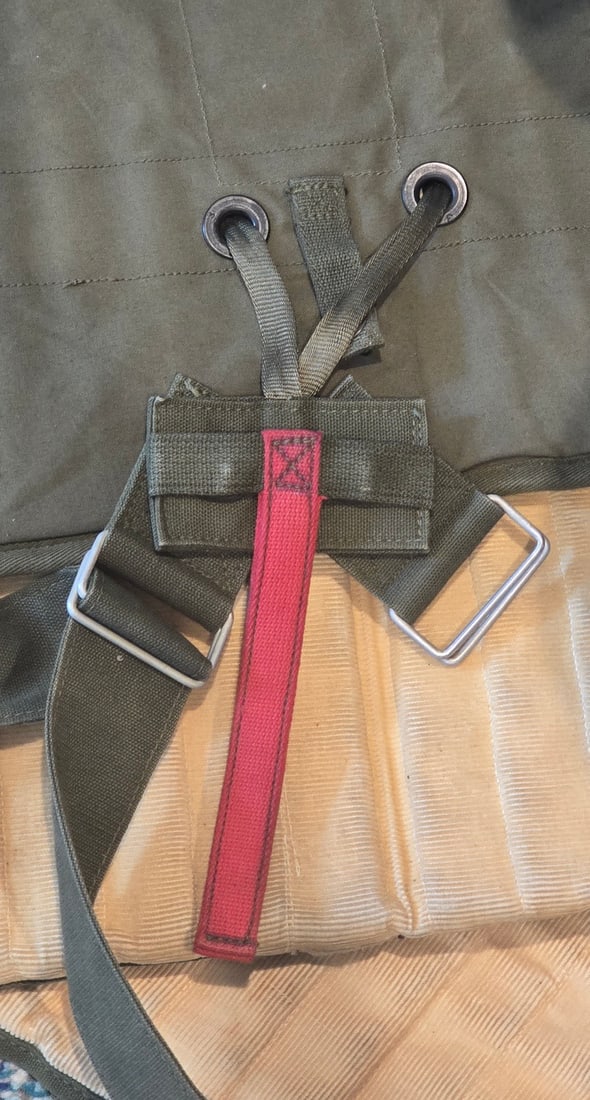
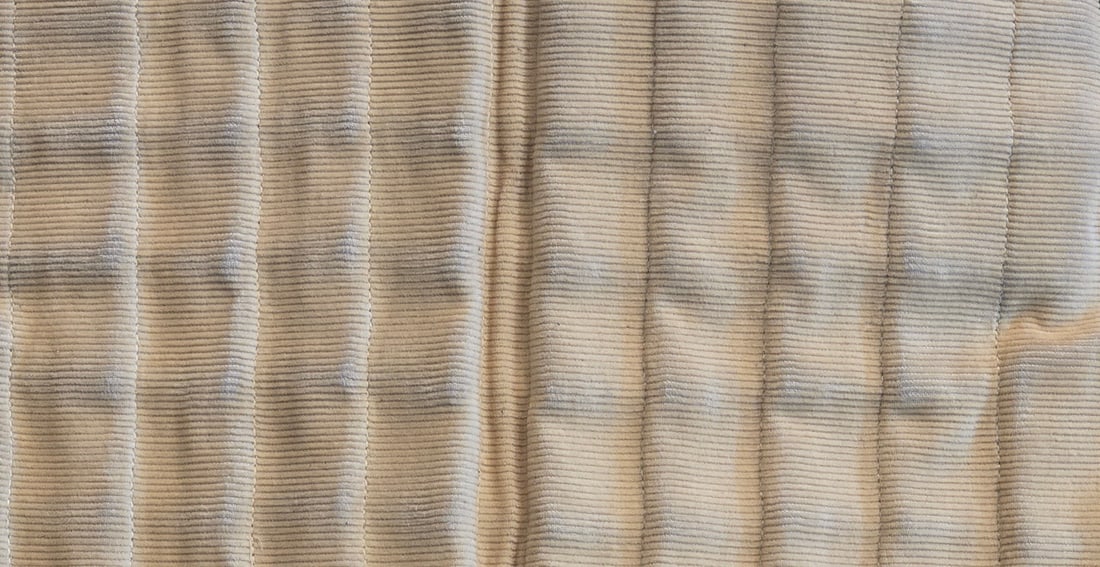
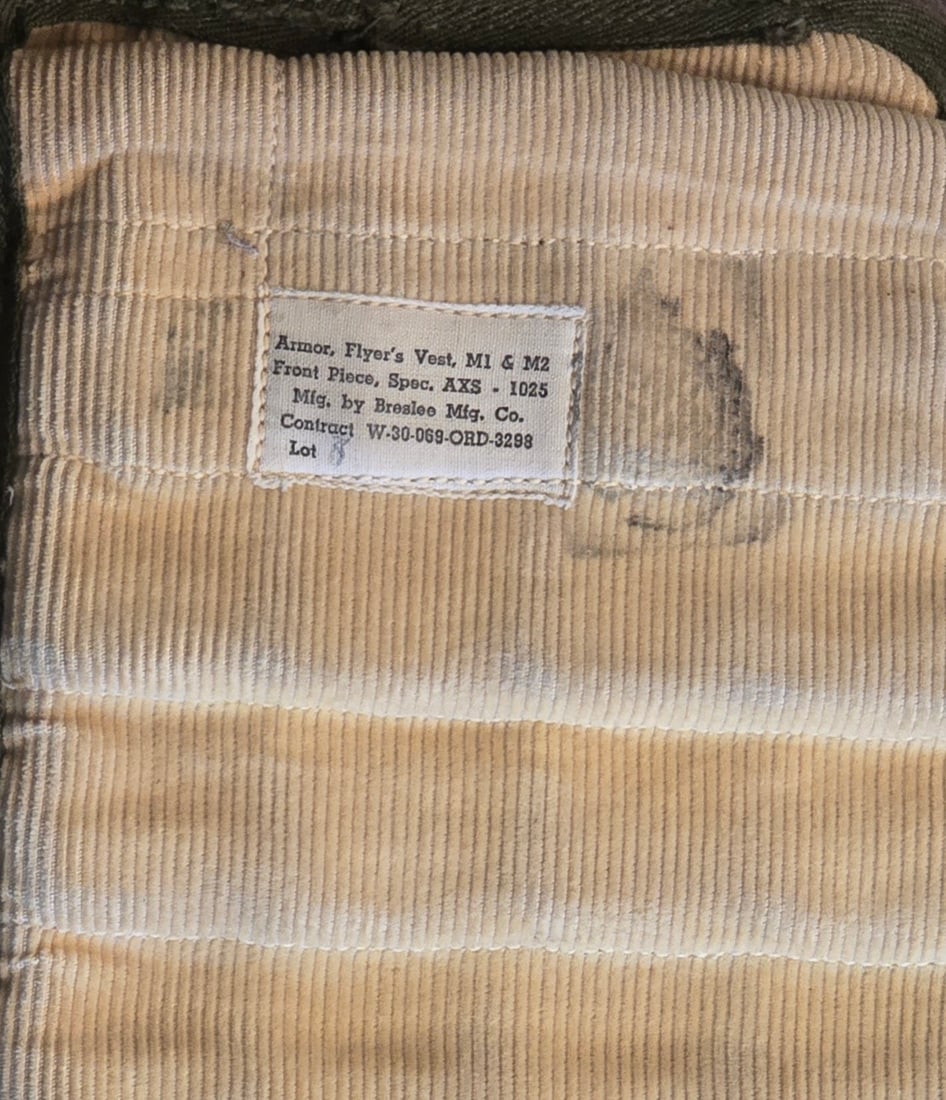
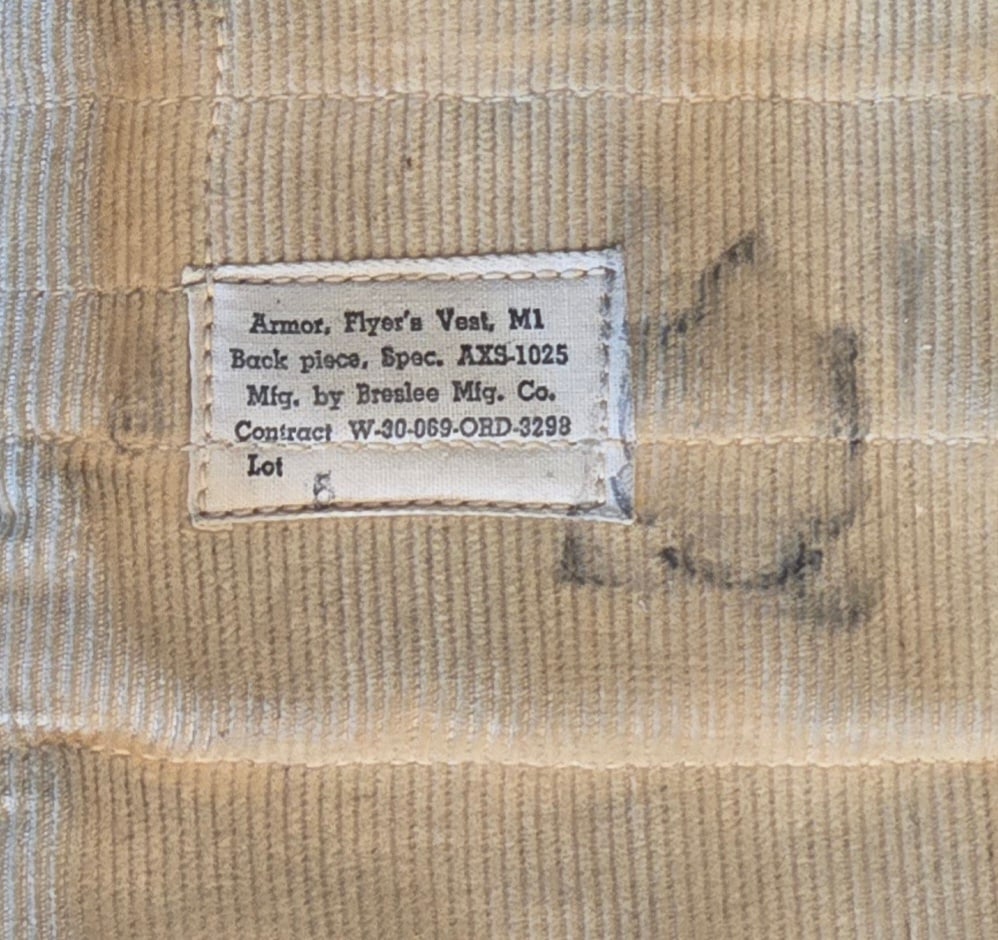
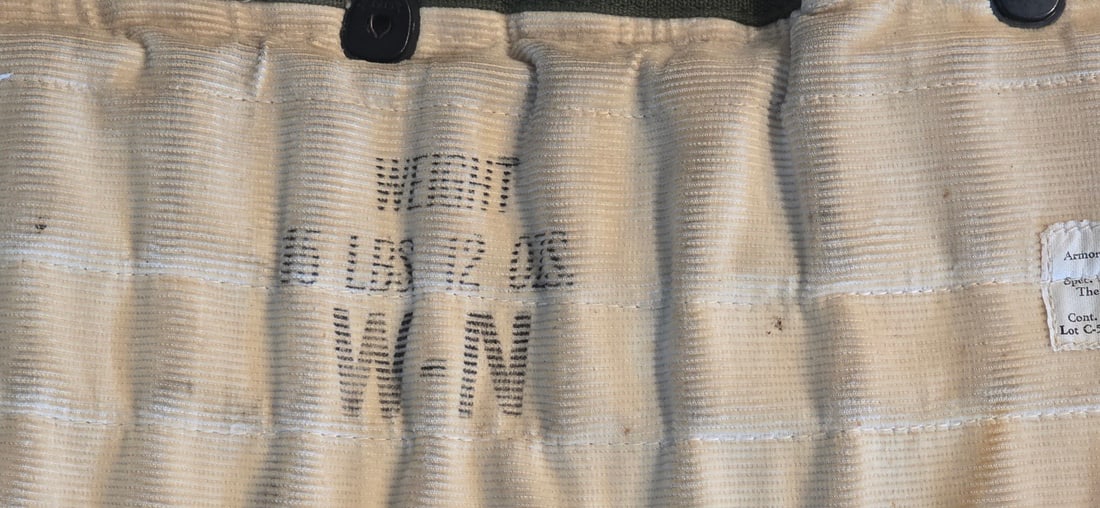
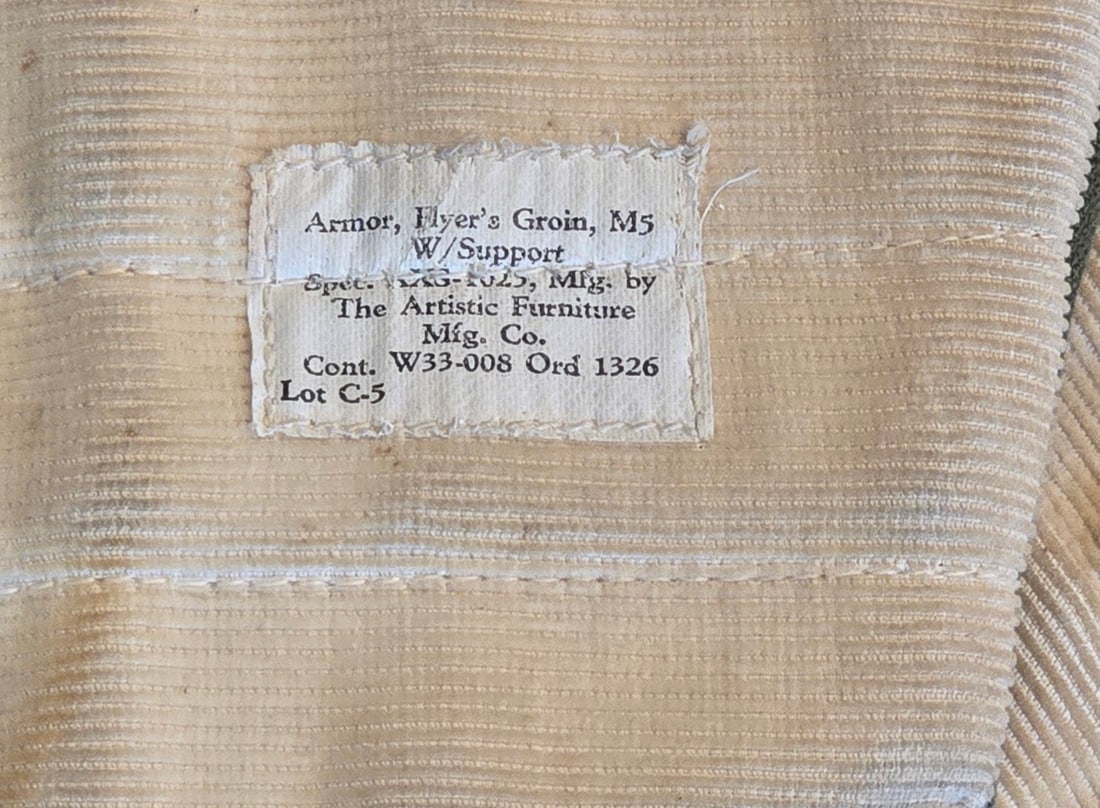
Near-Mint WWII USAAF M1 Flak Vest & M5 Groin Armor. Near-Mint WWII USAAF M1 Flyer’s Body Armor Flak Vest with M5 Groin Armor and Support for Seated Personnel – Breslee Mfg. Co., Contract W-30-069-ORD-3298, Spec. AXS-1025, and The Artistic Furniture Mfg. Co., Contract W33-008-Ord-1326, Lot C-5, circa 1943-1945. Offered here is an exceptionally well-preserved example of the U.S. Army Air Forces M1 flyer’s flak armor system, comprising separately labeled front and back vest pieces manufactured by the Breslee Mfg. Co. together with the M5 groin armor and support, manufactured by The Artistic Furniture Mfg. Co. specifically for seated aircrew such as pilots, copilots, navigators, and bombardiers. The identifying history rests entirely in the manufacturer’s contract tags and Ordnance specification stampings sewn into each component, which together document a scarce, closely-matching survival of an otherwise seldom-encountered protective ensemble. Flak was among the gravest hazards faced by American bomber crews, as bursting antiaircraft shells sent fragments through aircraft skins and into crowded crew compartments. The M1 vest traces its lineage to British flak-protection designs associated with the Wilkinson Sword Company, developed to shield bomber crews over occupied Europe and the Pacific from shell fragmentation. Once adopted and standardized under U.S. Army Ordnance specifications, production shifted to American contractors manufacturing overlapping Hadfield manganese steel plates pocketed within heavy olive drab canvas panels. Aircrews flying missions over flak-heavy targets relied on these vests, worn over flight gear, to deflect shell splinters during bomb runs, while the M5 groin unit extended coverage to seated personnel vulnerable to fragments entering from beneath the aircraft floor – a protective gap identified by Army Air Forces studies during the strategic bombing campaigns of 1943-1945. The front and back vest sections are constructed of olive drab canvas with segmented internal plate pockets, backed by cream corduroy lining for comfort against flight gear, and joined by adjustable olive drab webbing straps with metal friction buckles. A bright red emergency quick-release rip cord, doubled and X-stitched at its base, remains fully intact and functional, designed to instantly jettison the assembly in the event of ditching or bailout. Both Breslee cloth labels are stitched securely in place, the front reading clearly with the contract information intact.
Share this lot: