Fall 2026 Militaria and Aviation Auction
Lot 61:
Description
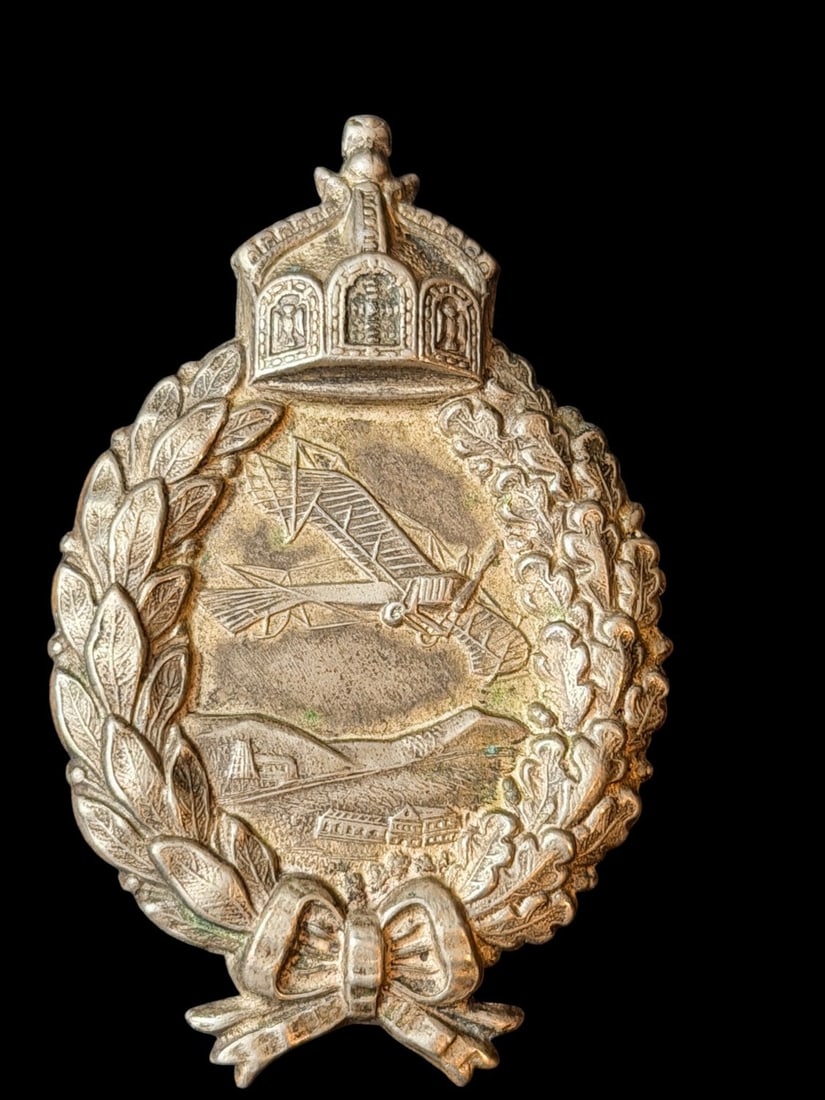
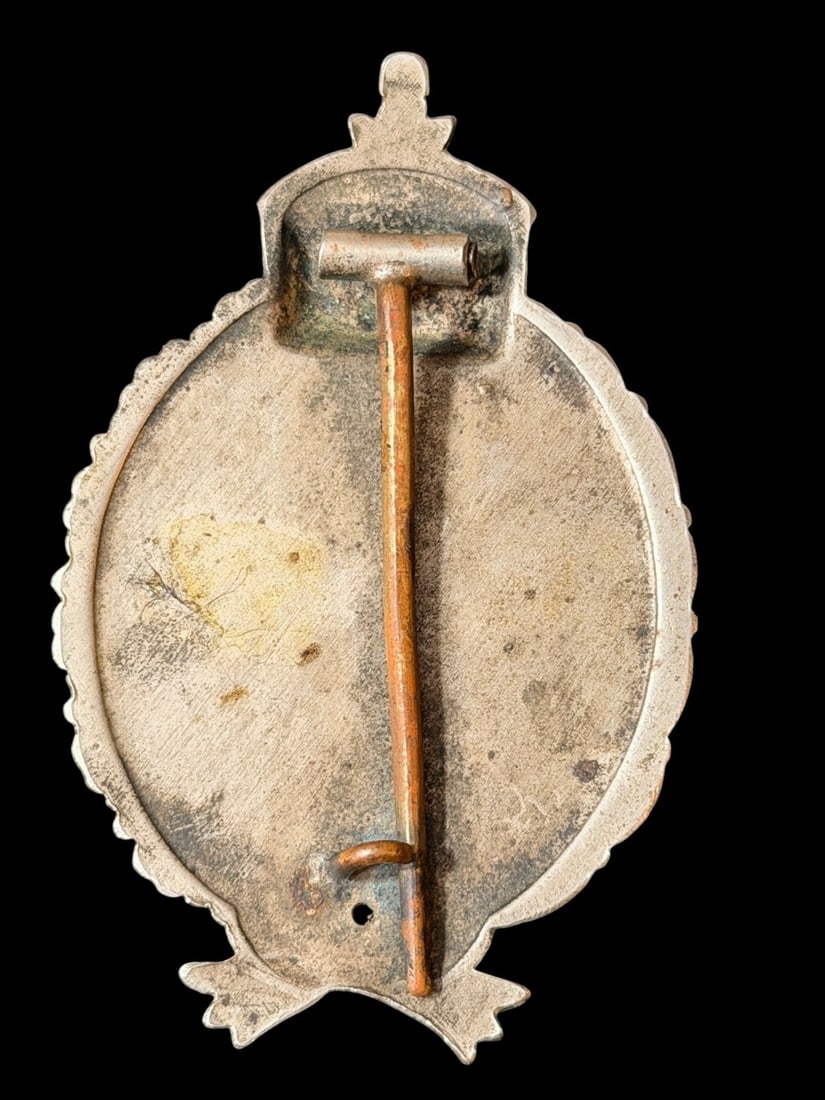
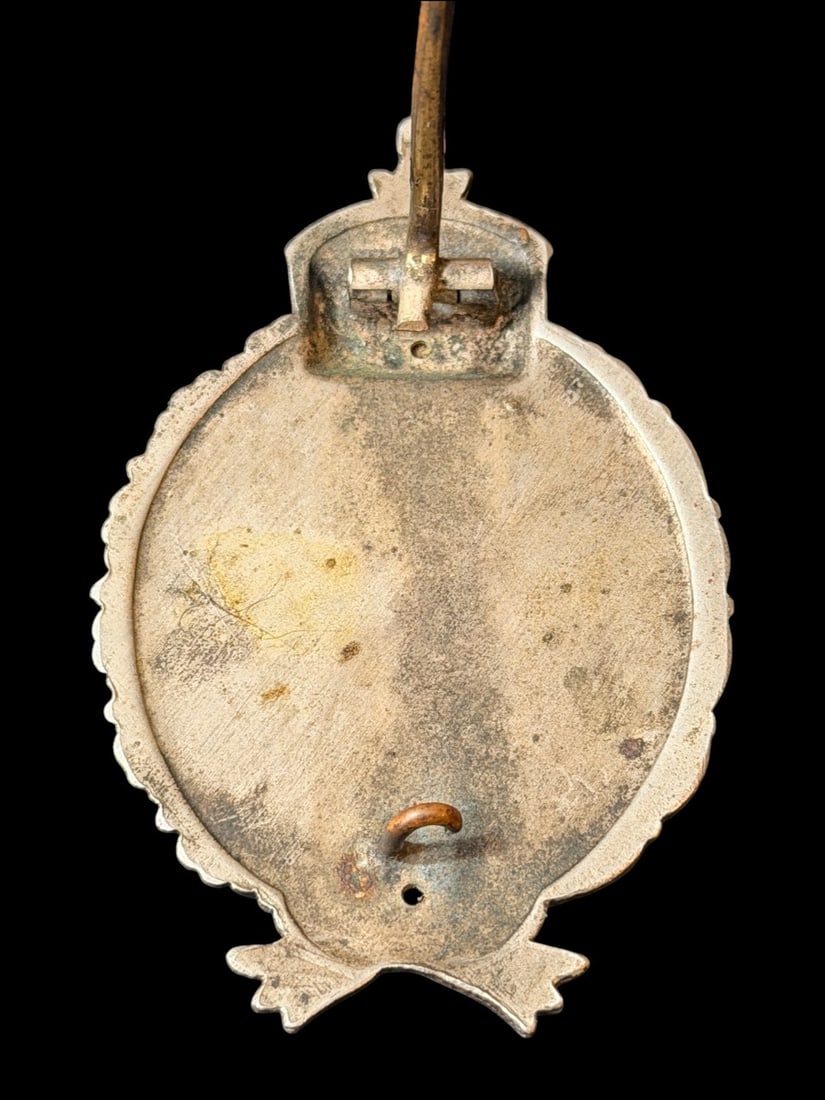
WWI Imperial German Prussian Military Pilot’s Badge, Taube, Hollow-Back. Imperial German Prussian Military Pilot’s Badge (Militaer-Flugzeugfuehrerabzeichen), hollow-back construction, silvered base metal or tombak, unmarked, circa 1914-1920s. This lot offers a well-preserved example of the Prussian Military Pilot’s Badge, the qualification insignia awarded to officers and enlisted men of the Imperial German Army upon completion of flight training and the requisite practical examinations. No named recipient, maker, or date can be established from the piece itself, and no separate published biography accompanies it; its significance rests in its standing as an original artifact of the Luftstreitkraefte’s formative years. Instituted by Kaiser Wilhelm II on 27 January 1913, the badge predates Germany’s entry into the First World War by little more than a year and ranks among the earliest qualification badges of any air arm. It was awarded upon graduation from military flight schools administered under the Prussian War Ministry and was worn with pride by pilots of the Fliegertruppe and, later, the Luftstreitkraefte through the war’s duration. The design captures the era’s aviation iconography directly: an Etrich Taube monoplane, the characteristic early-war reconnaissance and training aircraft of the German air service, banks over a stylized hilly landscape dotted with rural buildings, evoking the training fields and forward airstrips from which German aviators flew. The badge remained a mark of distinction well after the Armistice, continuing to be worn by Great War veteran pilots throughout the Weimar period as a recognized symbol of wartime flying service, distinct from the later Luftwaffe pilot badges of the Third Reich. The badge is of hollow-back, backplate construction in silvered base metal or tombak, unmarked, consistent with private-purchase manufacturing patterns associated with period jewelers such as Paul Meybauer or C.E. Juncker. The obverse presents the Taube in high relief within a split wreath – laurel to the right, oak to the left – bound at the base by a ribboned bow, the whole surmounted by a domed Prussian Imperial crown with orb-and-cross finial. The reverse displays a soldered vertical tubular hinge and pin of brass/copper alloy terminating in a wire C-catch, together with two small factory venting holes visible near the upper hinge recess and lower wreath base – hallmarks of period hollow-die manufacture. No case, ribbon, or accompanying paperwork is present with this lot. The badge presents in good to very good condition overall, retaining a pleasing aged silver patina with expected tarnish and light contact wear to the high-relief points of the aircraft, wreath, and crown. The reverse shows light verdigris and typical oxidation to the tubular pin and catch assembly, both of which appear intact in the photographs, along with scattered surface residue consistent with age; pin function has not been independently tested. A scarce and evocative survivor of German military aviation’s earliest era, this Taube-form Pilot’s Badge stands as tangible testimony to the men who first took to the skies in the Kaiser’s air service.
Share this lot: